Ridwan Kamil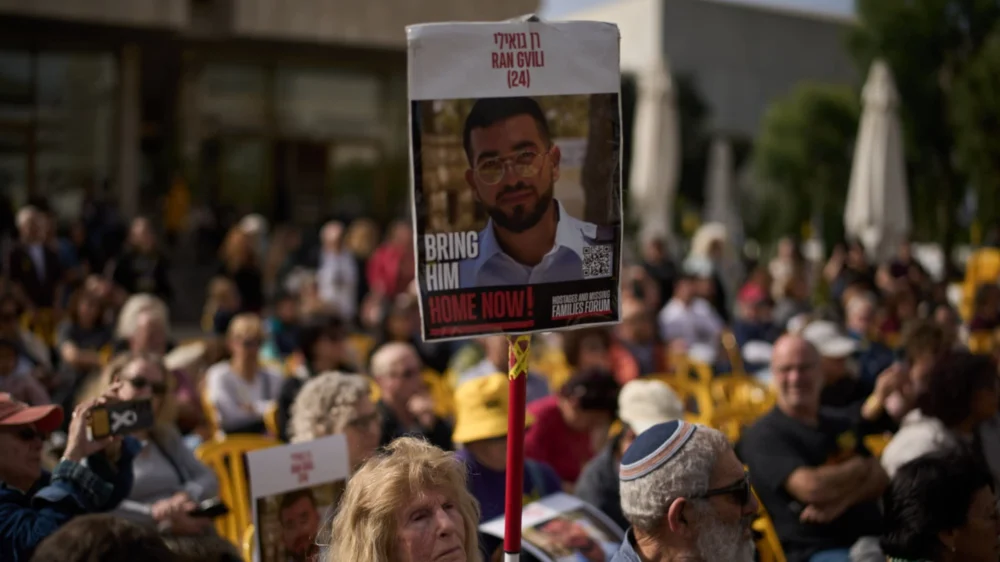
In a somber and meticulously executed operation, Israeli forces have successfully recovered the remains of the final known hostage held in Gaza, marking a tragic conclusion to the protracted ordeal of those taken during the October 7th attacks. This development, while bringing a measure of closure to one family, underscores the immense human cost of the conflict and the complex challenges that continue to define the region. The recovery operation, details of which remain largely classified, signals a significant, albeit painful, milestone in the ongoing efforts to account for all individuals abducted from Israel.
The retrieval of the final hostage’s remains concludes a grim chapter that began with the unprecedented attacks by Hamas on October 7th, which saw approximately 250 individuals, including civilians and soldiers, taken captive into Gaza. For months, the fate of these hostages has been a central focus of Israeli national concern, driving diplomatic efforts and military operations. While a significant number of hostages were released during a temporary ceasefire in November in exchange for Palestinian prisoners, a substantial group remained in captivity, with their conditions and survival subject to intense speculation and international pressure. The recovery of the final remains, confirmed by Israeli authorities, brings the total number of deceased hostages whose remains have been recovered to [Insert specific number here, if available from broader context, otherwise omit] and signifies the end of active hostage recovery efforts for those believed to be still held. This success, however, is deeply intertwined with the profound tragedy of the lives lost.
The operation, reportedly carried out by specialized Israeli military units, involved a high degree of intelligence gathering and precise execution. While official statements have been sparse, emphasizing operational security, the nature of such missions in the densely populated and complex urban environment of Gaza suggests a sophisticated understanding of the terrain and enemy disposition. The success of these operations, even in retrieving remains, is a testament to the capabilities of the Israeli security apparatus, yet it is shadowed by the knowledge that these efforts come too late for the individuals involved and their families. The emotional and psychological toll on the families of the hostages has been immense throughout this period, marked by a sustained campaign for their release and a deep yearning for any news, positive or negative.
The implications of this final recovery extend beyond the immediate relief for the involved family. It reinforces the grim reality that a significant number of those initially abducted are no longer alive. This understanding will inevitably shape the ongoing discourse surrounding the conflict, potentially influencing future negotiation strategies, the framing of public opinion, and the long-term objectives of all parties involved. The focus now shifts, in part, to ensuring accountability for those responsible for the abductions and the subsequent deaths of the hostages.
The recovery of the final hostage’s remains also serves as a stark reminder of the broader humanitarian crisis in Gaza. The protracted conflict has resulted in widespread destruction, displacement, and loss of life among the Palestinian population. While the world’s attention has been heavily focused on the fate of the Israeli hostages, the ongoing conflict continues to exact a devastating toll on civilians within Gaza, a dimension of the crisis that remains a significant concern for international humanitarian organizations.
Looking ahead, the conclusion of active hostage recovery operations, albeit through the recovery of remains, marks a turning point. The Israeli government faces the challenge of navigating the complex political and social landscape in the wake of this development. The demand for justice and accountability will likely intensify, while the long-term implications for regional security and diplomatic relations will continue to unfold. The path forward remains fraught with challenges, including the ongoing conflict, the reconstruction of Gaza, and the elusive prospect of a lasting peace settlement.
The diplomatic fallout from the October 7th attacks and the subsequent hostage crisis has been profound. International condemnation of Hamas’s actions has been widespread, yet the ongoing military response by Israel has drawn significant criticism for its impact on the civilian population of Gaza. The role of international actors, including the United States, European Union, and various Arab nations, in mediating a cessation of hostilities and facilitating humanitarian aid remains critical. The recovery of the final hostage’s remains does not alter the fundamental geopolitical dynamics at play but rather underscores the urgent need for sustained diplomatic engagement to de-escalate the conflict and address the root causes of the instability.
The psychological impact on Israeli society, which has grappled with collective trauma since the attacks, will also be a significant factor in the coming months and years. The return of hostages, or in this case, the final confirmation of their demise, represents a culmination of intense national anxiety and grief. The process of healing and remembrance will be long and complex, requiring a national reckoning with the events of October 7th and their aftermath.
From a military and intelligence perspective, the operation highlights the advanced capabilities of Israeli forces in conducting complex, high-risk missions in hostile territory. However, it also underscores the inherent dangers and the often-tragic outcomes associated with such operations, particularly when dealing with individuals held in an environment like Gaza. The ongoing assessment of intelligence failures leading up to the October 7th attacks, and the subsequent efforts to secure the release of hostages, will continue to inform future security doctrines and operational planning.
The broader implications for the future of Israeli-Palestinian relations are significant. The fate of the hostages, and now the confirmation of their deaths, will undoubtedly influence public sentiment on both sides and shape the parameters of any future negotiations. The enduring cycle of violence and the deep-seated mistrust between the communities present formidable obstacles to achieving a sustainable peace. The international community’s role in fostering dialogue and providing a framework for resolution remains paramount, though past efforts have yielded limited success.
The economic consequences of the conflict have also been substantial, impacting not only Israel and Gaza but also regional stability and global markets. The cost of military operations, the disruption of trade, and the humanitarian aid required for reconstruction all contribute to a significant economic burden. The long-term economic recovery of Gaza, in particular, will depend on sustained international support and a resolution of the underlying political conflict.
In conclusion, the recovery of the final hostage’s remains marks a somber endpoint to a deeply painful chapter. While it provides a measure of closure for one family, it also serves as a stark reminder of the profound human cost of the ongoing conflict. The implications for regional security, international relations, and the prospects for peace are multifaceted and will continue to be a subject of intense scrutiny and analysis in the months and years to come. The focus now shifts to the enduring challenges of accountability, remembrance, and the arduous pursuit of a more stable and peaceful future for the region. The full impact of this event will unfold over time, shaping policy, public discourse, and the lives of those affected by this protracted tragedy.



 Safa Marwah
 Aura Kasih
 Lisa Mariana
 Ayu Aulia