
 Ridwan Kamil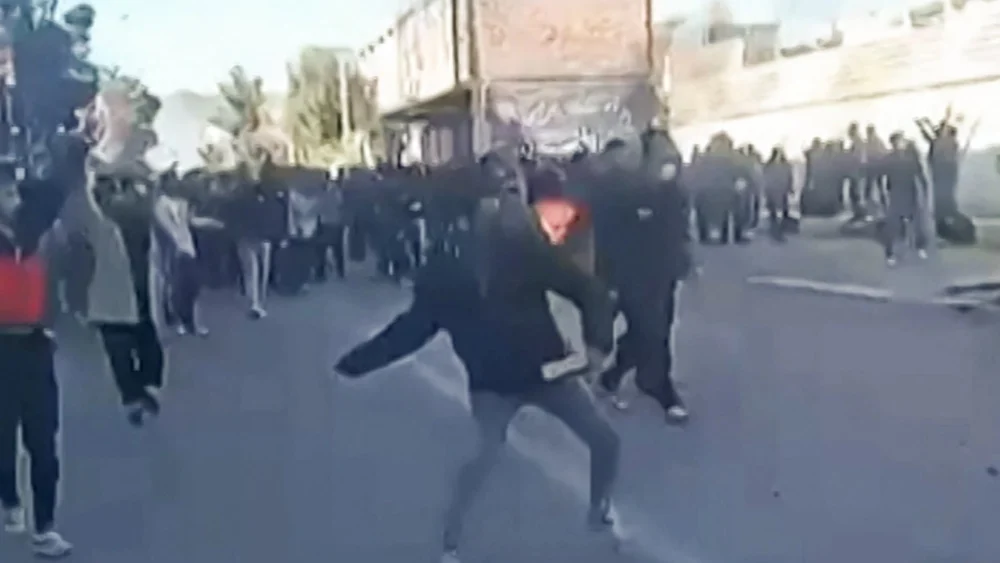
In a significant diplomatic escalation, former United States President Donald Trump has publicly declared that his administration would intervene to "rescue" protesters in Iran, issuing a strong and unambiguous warning directly to the Iranian government. This declaration signals a potential shift in the United States’ stance towards internal dissent within the Islamic Republic and carries profound implications for regional stability and international relations.
The pronouncements, made during a period of heightened internal unrest in Iran, reflect a broader pattern of assertive foreign policy espoused by the former president. Trump’s rhetoric, often characterized by its directness and willingness to challenge established diplomatic norms, suggests a readiness to employ the full spectrum of American influence, including potentially overt actions, to support Iranian citizens expressing grievances against their government. The "rescue" he alluded to could encompass a range of measures, from diplomatic pressure and sanctions to more direct forms of support for opposition movements, though the specifics remain intentionally vague, leaving room for strategic ambiguity.
Geopolitical Context: A History of Tensions and Shifting Alliances
The current geopolitical landscape surrounding Iran is fraught with decades of complex diplomatic and military interactions. The United States and Iran have been at odds since the 1979 Islamic Revolution, a period marked by the seizure of the U.S. embassy in Tehran and the subsequent hostage crisis. This foundational event set the stage for a persistent animosity that has manifested in various forms, including economic sanctions, proxy conflicts, and direct confrontations in international waters.
Under Trump’s previous presidency, the United States withdrew from the Joint Comprehensive Plan of Action (JCPOA), commonly known as the Iran nuclear deal, and reimposed stringent sanctions on the country. This policy of "maximum pressure" aimed to curb Iran’s nuclear program and curtail its regional influence, particularly its support for groups deemed terrorist organizations by the U.S. and its allies. While proponents argued that these measures weakened the Iranian regime, critics pointed to the severe humanitarian impact on the Iranian populace, exacerbating economic hardship and limiting access to essential goods.
The ongoing protests within Iran, which have intermittently erupted over the past several years, often stem from deep-seated economic grievances, political repression, and social restrictions. The most prominent recent wave of demonstrations, beginning in late 2022, was sparked by the death of Mahsa Amini, a young woman who died in the custody of the morality police. These protests, characterized by slogans against the ruling clerical establishment and demands for greater freedoms, have been met with a brutal crackdown by security forces, resulting in numerous casualties and widespread arrests.
Trump’s interventionist rhetoric now adds another layer of complexity to this volatile situation. His declaration can be interpreted through several lenses:
- Leveraging Domestic Politics: For Trump, taking a strong stance against the current Iranian government could serve to energize his base and position him as a decisive leader on the international stage, particularly in the context of a potential future presidential campaign. This aligns with his past approach of framing foreign policy through a lens of national interest and strength.
- Deterrence and Coercion: The warning could be intended as a direct deterrent to the Iranian regime, aiming to dissuade them from further violent suppression of dissent. By signaling potential U.S. support for protesters, Trump seeks to raise the cost of repression for Tehran.
- Strategic Opportunity: The former president may perceive the internal turmoil in Iran as an opportune moment to exert pressure on the regime and potentially influence its future trajectory. This could be part of a broader strategy to reshape the Middle East’s political landscape.
Analysis: The Implications of a U.S. "Rescue" Mission
The concept of the U.S. "rescuing" protesters in Iran is fraught with significant implications, both domestically and internationally.
1. Escalation of Regional Tensions: Iran is a key player in the Middle East, with substantial influence over regional dynamics through its relationships with various proxy groups and its strategic alliances. Any direct U.S. intervention, even if framed as support for civil liberties, could be perceived by Tehran and its allies as an act of aggression, potentially triggering retaliatory actions. This could involve increased activity by Iranian-backed militias in Iraq, Syria, Lebanon, and Yemen, further destabilizing an already volatile region. The risk of a wider conflict, drawing in other regional and global powers, cannot be understated.
2. Impact on the Iranian Regime: Trump’s words could embolden internal opposition groups, providing them with a perceived external ally. However, it could also be used by the Iranian regime to further consolidate its power by portraying the protests as foreign-instigated and a threat to national sovereignty. This narrative has historically been effective in rallying nationalist sentiment against perceived external interference. The regime might also accelerate its crackdown, viewing the external threat as justification for increased repression.
3. International Law and Sovereignty: The principle of state sovereignty is a cornerstone of international law. A direct U.S. intervention, even in the name of human rights, would likely face significant international scrutiny and opposition. Many nations adhere to a strict interpretation of non-interference in the internal affairs of sovereign states. Such actions could set a dangerous precedent, potentially leading to a more permissive environment for unilateral interventions by various state and non-state actors.
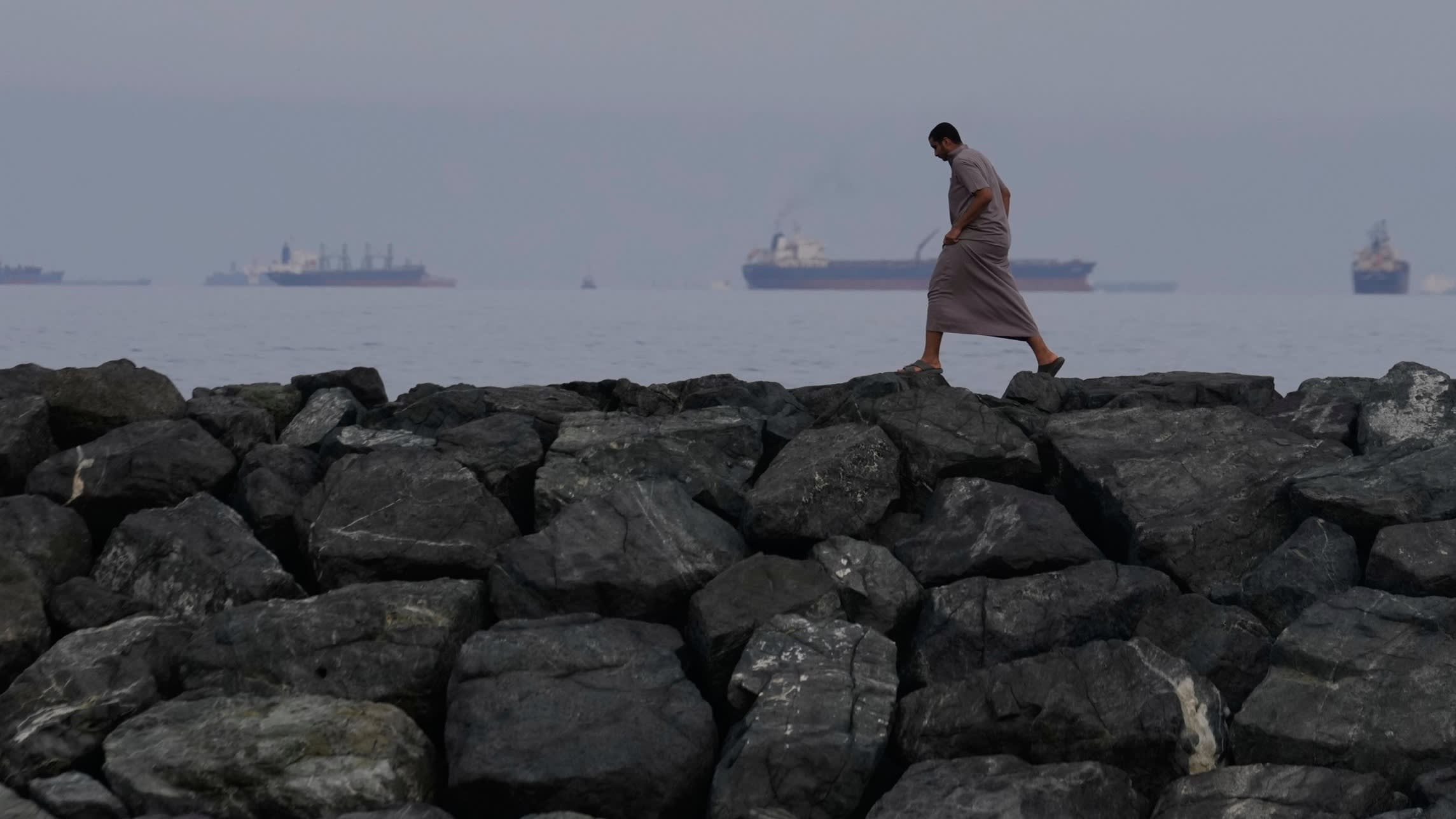
4. Economic Repercussions: The potential for heightened tensions and conflict could lead to significant disruptions in global energy markets. Iran is a major oil producer, and any instability in the Persian Gulf region could cause oil prices to spike, impacting economies worldwide. Furthermore, the imposition of new or intensified sanctions could further cripple the Iranian economy, with cascading effects on international trade and investment.
5. The Nature of "Rescue": The ambiguity surrounding the term "rescue" is a critical element. If it implies military intervention, the consequences would be catastrophic. If it refers to diplomatic pressure, humanitarian aid, or support for civil society organizations, the impact would be more nuanced but still significant. However, the history of U.S. foreign policy interventions suggests that such actions, even with benevolent intentions, can have unintended and often negative consequences.
Expert Perspectives and Strategic Considerations
From a strategic standpoint, several factors come into play when evaluating Trump’s pronouncements:
- The "Maximum Pressure" Legacy: Trump’s previous administration adopted a policy of "maximum pressure" against Iran, which involved severe economic sanctions and diplomatic isolation. While this policy aimed to cripple Iran’s economy and force concessions, it also led to widespread suffering among the Iranian population and did not fundamentally alter the regime’s behavior in terms of its regional activities or nuclear ambitions. The question remains whether a similar approach, albeit with a focus on supporting protesters, would yield different results.
- The Role of Diplomacy: Effective foreign policy often relies on a combination of diplomacy, economic leverage, and, in some cases, the credible threat of force. Trump’s emphasis on a direct warning, while potentially effective in signaling resolve, may overshadow the need for a comprehensive diplomatic strategy. Building international consensus and engaging in multilateral diplomacy are crucial for addressing complex geopolitical challenges like the situation in Iran.
- Understanding Iranian Society: Any successful strategy to support democratic aspirations in Iran must be grounded in a deep understanding of Iranian society, its diverse political factions, and the nuances of its social movements. External actors can play a supportive role, but ultimately, the impetus for change must come from within. Unsolicited external intervention, even with good intentions, can sometimes be counterproductive by fueling nationalist sentiments or being co-opted by hardliners.
- The Balance of Power: Iran’s strategic importance in the Middle East cannot be overstated. It is a significant regional power with a well-established military and a network of proxies. Any attempt to fundamentally alter the balance of power without a clear, well-defined strategy and broad international support carries immense risks.
Future Outlook: A Path Forward or a Path to Conflict?
The pronouncements from former President Trump introduce a significant element of unpredictability into the already complex relationship between the United States and Iran. The immediate future will likely be characterized by heightened rhetoric and increased diplomatic maneuvering.
For the Iranian regime, the challenge will be to navigate the internal dissent while simultaneously managing the external pressure. The regime’s response to Trump’s warning will be crucial in shaping both domestic and international perceptions. A heavy-handed crackdown could further alienate the population and draw more international condemnation, while a more conciliatory approach could signal a shift in policy, though this remains unlikely given the current political climate.
For the United States, the question of how to translate rhetoric into effective action will be paramount. A purely confrontational approach risks further escalating tensions without achieving desired outcomes. A more nuanced strategy that combines diplomatic engagement, targeted sanctions against individuals and entities responsible for human rights abuses, and support for civil society could offer a more sustainable path towards fostering positive change.
The international community will also play a critical role. A unified stance from global powers, emphasizing the importance of human rights and peaceful protest, could exert significant pressure on the Iranian government. However, divisions within the international community could be exploited by Tehran, further complicating efforts to find a resolution.
Ultimately, the path forward for Iran and its relationship with the international community remains uncertain. Former President Trump’s strong warning injects a new dynamic into this equation, potentially reshaping the geopolitical landscape and influencing the trajectory of both domestic dissent and regional stability. The coming months will reveal whether this interventionist stance will lead to a more favorable outcome for the Iranian people or further entrench existing conflicts.



 Aura Kasih
 Safa Marwah
 Lisa Mariana