 Lisa Mariana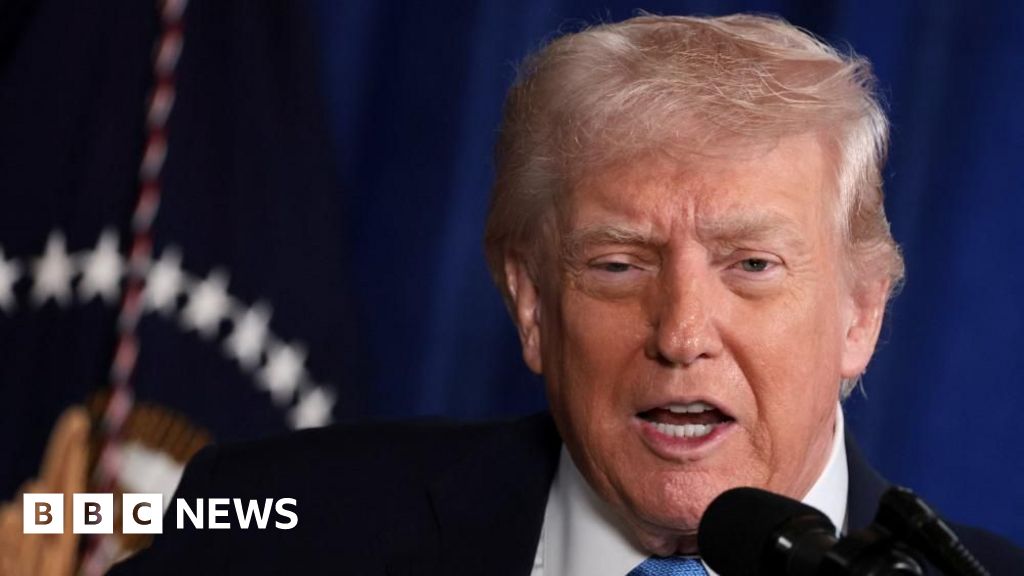
A dramatic shift in geopolitical dynamics has unfolded in Venezuela, with the United States issuing an unequivocal warning to the nation’s newly appointed leader, Delcy Rodríguez, concurrent with the scheduled court appearance of deposed President Nicolás Maduro in New York on charges of drug trafficking and weapons offenses. The swift developments underscore a significant escalation in the protracted confrontation between Washington and Caracas, prompting a complex interplay of diplomatic overtures, military actions, and international condemnation.
The abrupt removal of Nicolás Maduro from power followed a clandestine, high-stakes operation on Saturday, involving US special forces and air strikes in Caracas. This audacious intervention culminated in the capture of Maduro and his wife, Cilia Flores, from their compound, subsequently transporting them to the United States. In the wake of this unprecedented action, Delcy Rodríguez, formerly Maduro’s vice president, was swiftly positioned to assume the presidency, a transition backed by Venezuela’s Supreme Court and military apparatus. Her inauguration, slated for Monday in Caracas, occurred amidst a palpable atmosphere of uncertainty and international scrutiny.
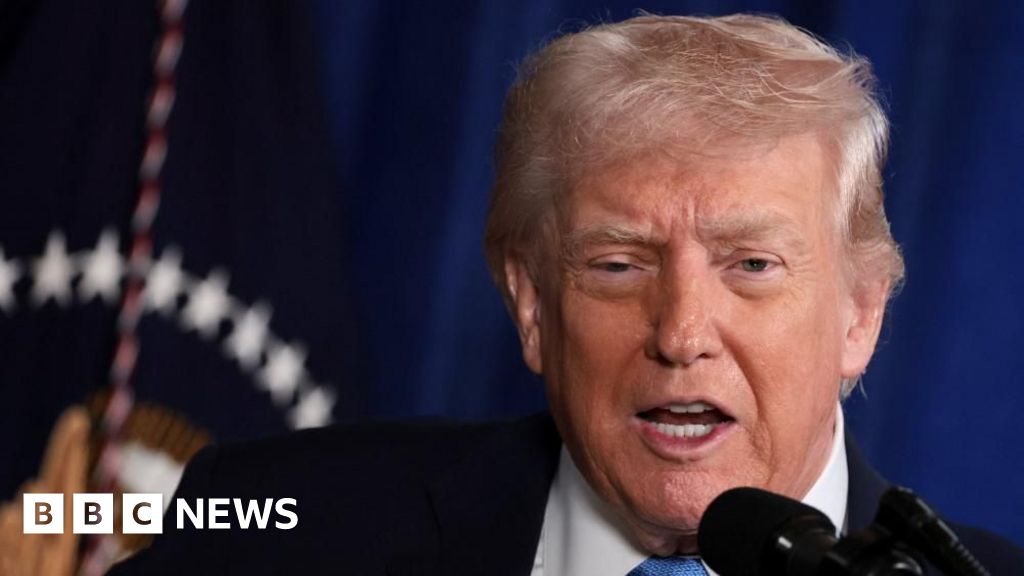
President Donald Trump, speaking to US magazine The Atlantic, did not mince words regarding the future of US-Venezuelan relations under Rodríguez’s nascent leadership. He cautioned that if she failed to "do what’s right," she would incur a "very big price, probably bigger than Maduro." This stark admonition signals Washington’s intent to maintain immense pressure on the Venezuelan government, irrespective of the change in figurehead. Trump further articulated a broader US objective for Venezuela, stating, "Regime change, anything you want to call it, is better than what you have right now. Can’t get any worse." Such declarations underscore a firm US commitment to altering the political landscape in Venezuela, with economic reconstruction and resource exploitation, specifically oil, explicitly mentioned as key motivators. Trump vowed that the US would "run" the country until a "safe and proper and judicious transition" could be established, promising that American oil companies would "fix infrastructure and start making money for the country." This framing suggests a transactional approach to Venezuela’s future, intertwining political transition with economic interests.
The legal proceedings against Nicolás Maduro represent a pivotal moment in international justice and US foreign policy. Charged with orchestrating a "narco-terrorist" regime, Maduro faces severe accusations of drug trafficking and weapons offenses. His appearance in a New York court on Monday marks a significant victory for US prosecutors, who have long sought to hold him accountable for alleged illicit activities. The US Department of Justice has consistently portrayed Maduro’s government as deeply entrenched in criminal enterprises, leveraging its control over the state to facilitate drug shipments and other illegal operations. Maduro, for his part, has vehemently denied these allegations, consistently characterizing them as a thinly veiled pretext for US intervention aimed at seizing Venezuela’s vast oil reserves. His claims resonate with a historical narrative of US involvement in Latin American affairs, often perceived by critics as driven by resource acquisition and ideological opposition.
Amidst this turmoil, Delcy Rodríguez adopted a surprisingly conciliatory posture during her inaugural cabinet meeting. She extended an offer of "co-operation orientated towards shared development within the framework of international law" to the US government. This overture, coming directly after the dramatic events of Maduro’s capture, suggests a strategic attempt to de-escalate tensions and potentially carve out a path for a more constructive relationship with Washington. However, the sincerity and viability of such an offer remain highly questionable given the US administration’s unwavering stance and the recent military operation. The dichotomy between Trump’s aggressive warnings and Rodríguez’s diplomatic gestures highlights the complex and often contradictory nature of international relations, particularly when power transitions are forced and external pressures are immense.
The US military operation itself has ignited a fierce debate, both domestically and internationally, regarding its legality and implications. Secretary of State Marco Rubio, a prominent figure in the Trump administration’s Venezuela policy, vigorously defended the action, asserting that it was not an "act of war" but rather a "law enforcement operation" targeting "drug trafficking organizations." He explained that Maduro was arrested by FBI agents on the ground, thereby framing the intervention as a criminal apprehension rather than a military invasion. Rubio also stated that congressional authorization was deemed unnecessary due to the sensitive nature of the operation, arguing that prior notification would lead to leaks. However, this characterization has been sharply contested by Democratic lawmakers and several international bodies.
House Minority Leader Hakeem Jeffries, for instance, unequivocally condemned the secretive military operation as "an act of war," highlighting the deployment of Delta Force, Army personnel, numerous military aircraft, and naval vessels off the Venezuelan coast. He questioned the administration’s authority to undertake such an extensive military action without congressional approval, citing profound constitutional concerns. Senate Minority Leader Chuck Schumer echoed these sentiments, questioning the legality of the operation and warning against treating "lawlessness with other lawlessness." He cautioned against the historical pitfalls of US "regime change and nation building," which have often incurred significant costs in "blood and dollars" for the American people. Both Jeffries and Schumer pledged to support a resolution that would mandate congressional approval for any future US military actions in Venezuela, underscoring a bipartisan concern over executive overreach.
Internationally, the operation drew immediate condemnation. The Cuban government, a steadfast ally of Maduro’s socialist regime, announced two days of national mourning, reporting the deaths of 32 "brave Cuban combatants" during the US attack. This tragic revelation underscores the human cost of the intervention and signals a potential deepening of animosity between the US and its regional adversaries. Furthermore, a joint statement from the governments of Brazil, Chile, Colombia, Mexico, Uruguay, and Spain expressed profound concern, asserting that the US military actions "constitute an extremely dangerous precedent for peace and regional security and endanger the civilian population." This widespread international criticism highlights the perceived violation of sovereign norms and the potential for destabilization in the region.
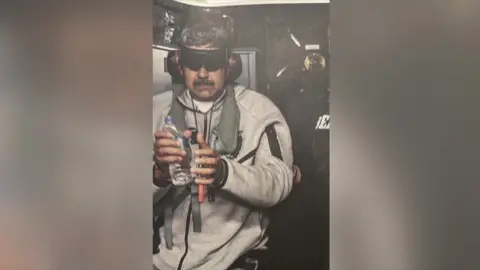
Rubio’s statements also clarified the US position on recognizing the new Venezuelan leadership. He explicitly stated that the US "does not recognize the regime as legitimate," indicating that while Maduro is gone, Washington’s fundamental opposition to the governing structure remains. This suggests that Rodríguez’s conciliatory gestures might fall on deaf ears unless accompanied by substantial and demonstrable changes aligned with US demands. Rubio emphasized that the US "will retain multiple levers of leverage to ensure that our interests are protected," including the existing "quarantine" on Venezuela’s oil industry. This continued economic pressure, coupled with the threat of further punitive measures, forms the bedrock of the US strategy to influence Venezuela’s future.
Adding another layer of complexity to the already volatile regional landscape, President Trump issued unexpected and aggressive threats against Venezuela’s neighbor, Colombia. Speaking to reporters aboard Air Force One, Trump did not rule out military action against Colombia, stating, "it sounds good to me." He launched a scathing personal attack on Colombian President Gustavo Petro, labeling him "a sick man" who "likes making cocaine and selling it to the United States," vowing that he "is not going to be doing it very long." These inflammatory remarks are particularly significant given Colombia’s traditional role as a key US ally in Latin America and a partner in counter-narcotics efforts. Such public denouncements of a sovereign leader, especially one engaged in ongoing peace processes and drug eradication efforts, risk undermining regional stability and diplomatic relations, potentially alienating allies at a critical juncture.
The backdrop to these recent events is a decade of deepening crisis in Venezuela under Nicolás Maduro’s leadership. Since assuming power in 2013 following Hugo Chávez’s death, Maduro’s presidency has been marred by accusations of authoritarianism, widespread human rights abuses, and systematic repression of opposition movements. His government has been consistently accused of silencing dissent through violence and political persecution. The 2024 election, in particular, was widely viewed by both domestic opponents and numerous foreign governments as illegitimate, further eroding his international standing. Venezuela’s economy has simultaneously collapsed, leading to a profound humanitarian crisis characterized by hyperinflation, severe shortages of food and medicine, and a mass exodus of its population. The US stance has consistently framed Maduro’s removal as a necessary step to restore democracy and address the profound suffering of the Venezuelan people, while also citing his alleged involvement in illicit activities as a direct threat to US national security.

Looking ahead, the implications of these developments are far-reaching. Delcy Rodríguez faces the immediate challenge of consolidating power amidst intense international pressure and domestic uncertainty. Her ability to navigate the complex web of US demands, maintain the loyalty of the military, and address the country’s dire economic and social conditions will determine the longevity and stability of her administration. The US, having executed an unprecedented operation to remove a sitting head of state, has set a powerful and potentially controversial precedent for its foreign policy. The constitutional debate within the US regarding executive power and congressional oversight will likely intensify, shaping future discussions on military engagements abroad. Regionally, the events in Venezuela could further polarize Latin America, with some nations applauding Maduro’s removal and others condemning what they perceive as a blatant violation of sovereignty. The future trajectory of Venezuela, and indeed the broader dynamics of US engagement in Latin America, remain highly fluid, poised at a critical inflection point with profound consequences for peace, stability, and democratic governance in the hemisphere.



 Aura Kasih
 Ridwan Kamil

 Safa Marwah