Lisa Mariana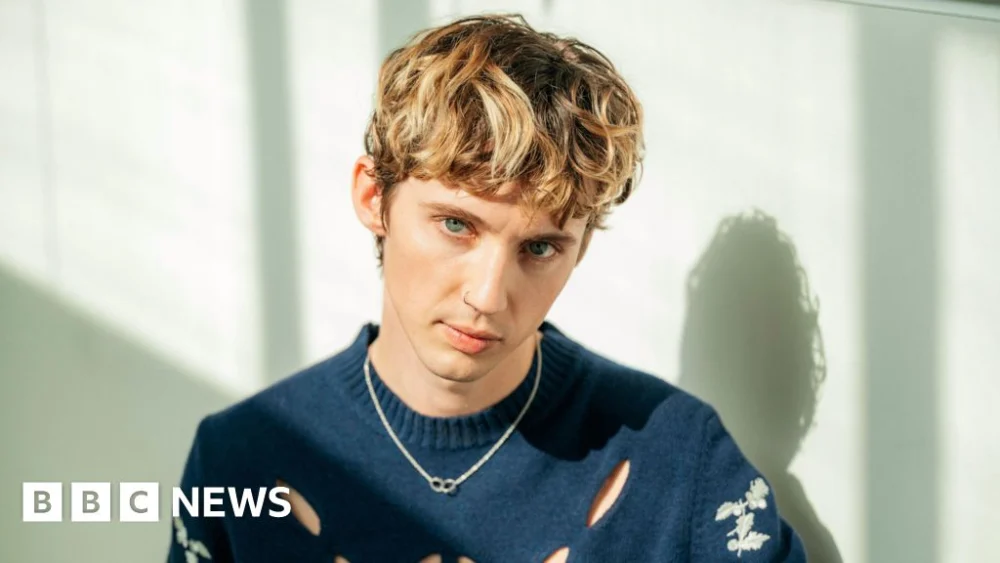
A recent digital commentary by a London-based cosmetic physician, which meticulously dissected the facial aesthetics of pop sensation Troye Sivan, has prompted a widespread discussion regarding the ethical boundaries of unsolicited medical advice on social media platforms and the pervasive impact of such critiques on public figures and body image discourse. The incident, which saw the physician issue a public apology after the singer expressed profound distress, highlights the intricate challenges posed by the confluence of medical expertise, celebrity culture, and the viral dynamics of online content.
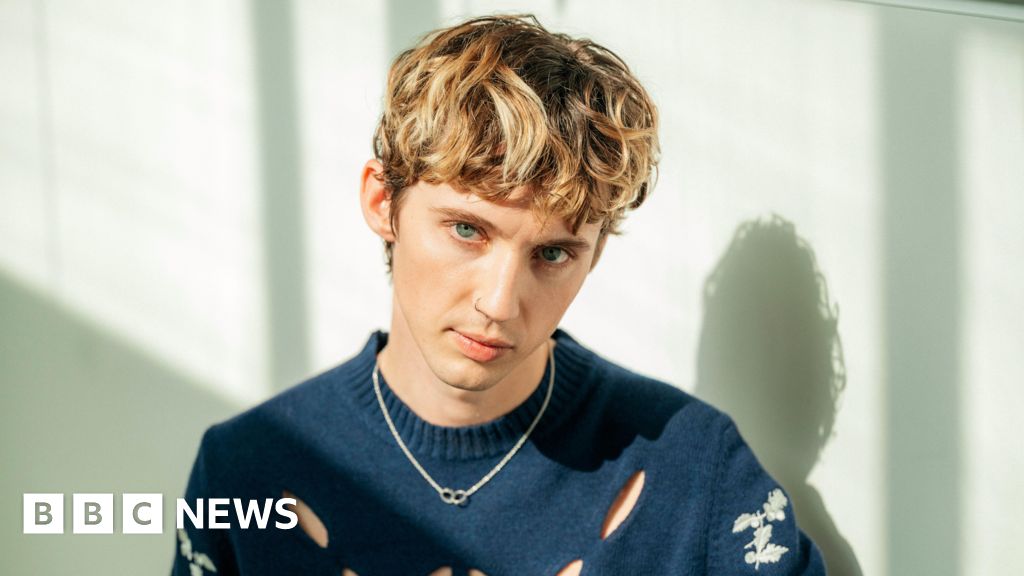
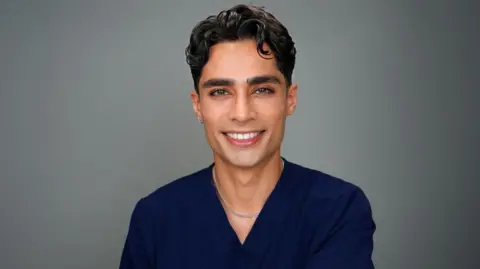
The controversy originated from a two-minute video posted by Dr. Zayn Khalid Majeed, a cosmetic doctor with a substantial social media following exceeding 250,000 across various platforms. In the now-deleted clip, Dr. Majeed analyzed Sivan’s appearance following a recent public event in Australia. He juxtaposed professionally shot studio images with more candid red-carpet footage, identifying what he termed "problem areas" and signs of "volume loss" in the singer’s face. The physician proceeded to hypothesize a consultation scenario with Sivan, enumerating a range of potential cosmetic interventions, including skin boosters and dermal fillers, which he suggested could "improve" Sivan’s facial structure. Notably, Dr. Majeed employed the term "twink death," a colloquial expression within certain LGBTQ+ communities referring to the perceived aging of a "twink"—a young, slender, boyish gay man—and suggested treatments to "retwinkify" Sivan.
This unsolicited aesthetic evaluation swiftly drew considerable backlash from Sivan’s dedicated fanbase and numerous social media users who condemned the public dissection of a celebrity’s appearance. The criticism escalated when Sivan himself directly addressed the video. Through a poignant essay published on the blogging platform Substack, the 30-year-old artist articulated how Dr. Majeed’s commentary had exacerbated long-standing personal insecurities about his physical form. Sivan candidly confessed that the video’s detailed critique had prompted him to seriously contemplate undergoing cosmetic surgery, questioning the societal value placed on appearance and the accessibility of medical interventions to address perceived imperfections. "I’ve struggled with my body image for a lot of my life, as I’m sure most people have," Sivan wrote, reflecting on the psychological impact of the unsolicited advice.
Following the widespread condemnation and Sivan’s deeply personal response, Dr. Majeed removed the controversial video from his TikTok and Instagram accounts. He subsequently contacted Sivan directly to offer an apology. Speaking to BBC Newsbeat, Dr. Majeed expressed remorse, stating he "felt terrible" for causing distress to the singer. He acknowledged the "incredibly raw and vulnerable" nature of Sivan’s reaction and emphasized that causing such upset was never his intention. Sivan later updated his Substack post, confirming Dr. Majeed’s "thoughtful and sweet message" and declaring "no hard feelings" from his side, signaling a resolution between the two individuals.
Despite the personal apology and content removal, the incident has catalyzed a broader examination of the ethical responsibilities of medical professionals operating in the public sphere of social media. Dr. Majeed, while regretting the specific outcome, indicated his intention to continue creating content that analyzes celebrity faces. He maintains that such videos serve an educational purpose, helping to "demystify surgeries that celebrities have and educate patients," and that there is a discernible public appetite for this type of content. However, he also committed to endeavoring for a more positive impact with his future content, aiming to avoid contributing to "negative beauty standards" and to foster acceptance of natural aging processes. This stance highlights the inherent tension between leveraging public interest in celebrity aesthetics for engagement and adhering to ethical medical practice.
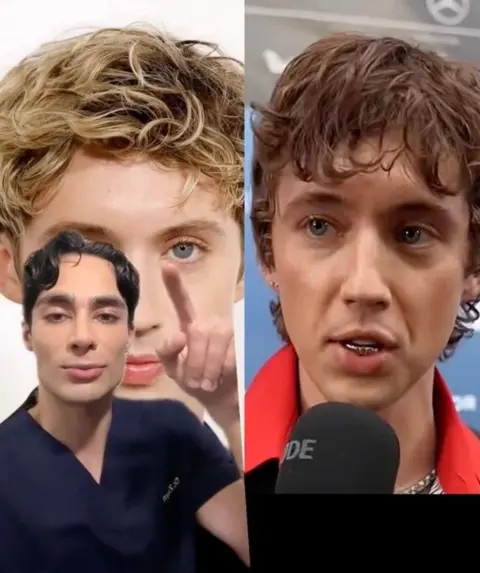
The concept of "twink death" itself warrants further discussion as it underscores a specific cultural pressure within the LGBTQ+ community, particularly for those whose identity or public persona is tied to a youthful appearance. This term, and the associated societal expectation to maintain a certain aesthetic, can exert immense psychological pressure, contributing to body dysmorphia and a heightened propensity for cosmetic interventions. For a public figure like Sivan, whose career began in adolescence and whose image is frequently associated with the "twink" archetype, such a public diagnosis of aesthetic decline can be particularly damaging, tapping into deeply ingrained anxieties about relevance and attractiveness.
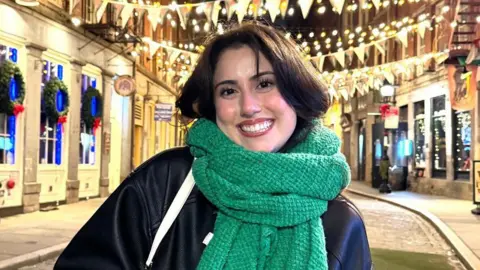
Beyond the immediate parties, the incident resonates with broader concerns about the influence of social media on body image and self-esteem. Samantha Rizzo, a "skin-positivity" content creator based in New York, offered her perspective, distinguishing between educational content that uses consenting clients’ transformations and unsolicited critiques of public figures. Rizzo articulated discomfort with professionals "picking apart" celebrities, regardless of their fame. She shared her own experience of being influenced by online content to seek botox for pain and migraines, only to regret the procedure due to limited facial movement. Her testimony underscores how the pervasive nature of cosmetic content can significantly "skew your perception of yourself," leading individuals to make decisions they later regret.
Similarly, Irish social media personality Keelin Moncrieff voiced concerns regarding the accessibility of information about cosmetic procedures and its potential impact on young, impressionable audiences. Moncrieff pointed out that while some creators aim for transparency about their own cosmetic work, this can inadvertently function as an endorsement, implying that procedures are simple or universally beneficial. She emphasized that viewers often "can’t make up or fill in the gaps of what they’re not seeing behind the scenes," leading to an unrealistic perception of the ease and consequences of such interventions. Moncrieff also recounted personal experiences of receiving unsolicited comments about her appearance online, such as remarks about "wrinkly hands," illustrating the relentless scrutiny individuals face in the digital age. Despite acknowledging moments of self-criticism, she ultimately rejects the pursuit of constant alteration, finding the idea of perpetually changing her face "disturbing."
The widespread dissemination of content from medical professionals on platforms like TikTok and Instagram raises critical ethical questions for governing bodies and professional associations. Medical practitioners are bound by codes of conduct that emphasize patient welfare, informed consent, and professional integrity. Publicly diagnosing or offering treatment suggestions for individuals, particularly those who have not sought advice, potentially violates these principles. Such practices can be seen as exploitative, leveraging a public figure’s image for self-promotion, and may contribute to a culture of unrealistic beauty standards and body dissatisfaction. The General Medical Council (GMC) in the UK, for instance, has guidelines on responsible use of social media, which implicitly caution against content that could undermine public trust or exploit vulnerable individuals, even if the "patient" is a celebrity.
The incident underscores the urgent need for a more robust framework governing medical advice and aesthetic critiques in digital spaces. While the internet offers unprecedented opportunities for education and public health outreach, it also presents challenges in maintaining professional boundaries and preventing harm. The allure of viral content and increased visibility can incentivize practices that blur the lines between professional expertise and entertainment, potentially compromising the ethical foundations of medical practice. Moving forward, the industry must grapple with how to balance freedom of expression, commercial interests, and the paramount responsibility of medical professionals to do no harm, especially in an environment where beauty standards are increasingly dictated and monetized by digital trends. The Troye Sivan episode serves as a potent reminder of the profound psychological impact of online discourse and the critical importance of ethical engagement in the digital age.




 Ridwan Kamil
 Safa Marwah
 Aura Kasih
 Ayu Aulia