Ayu Aulia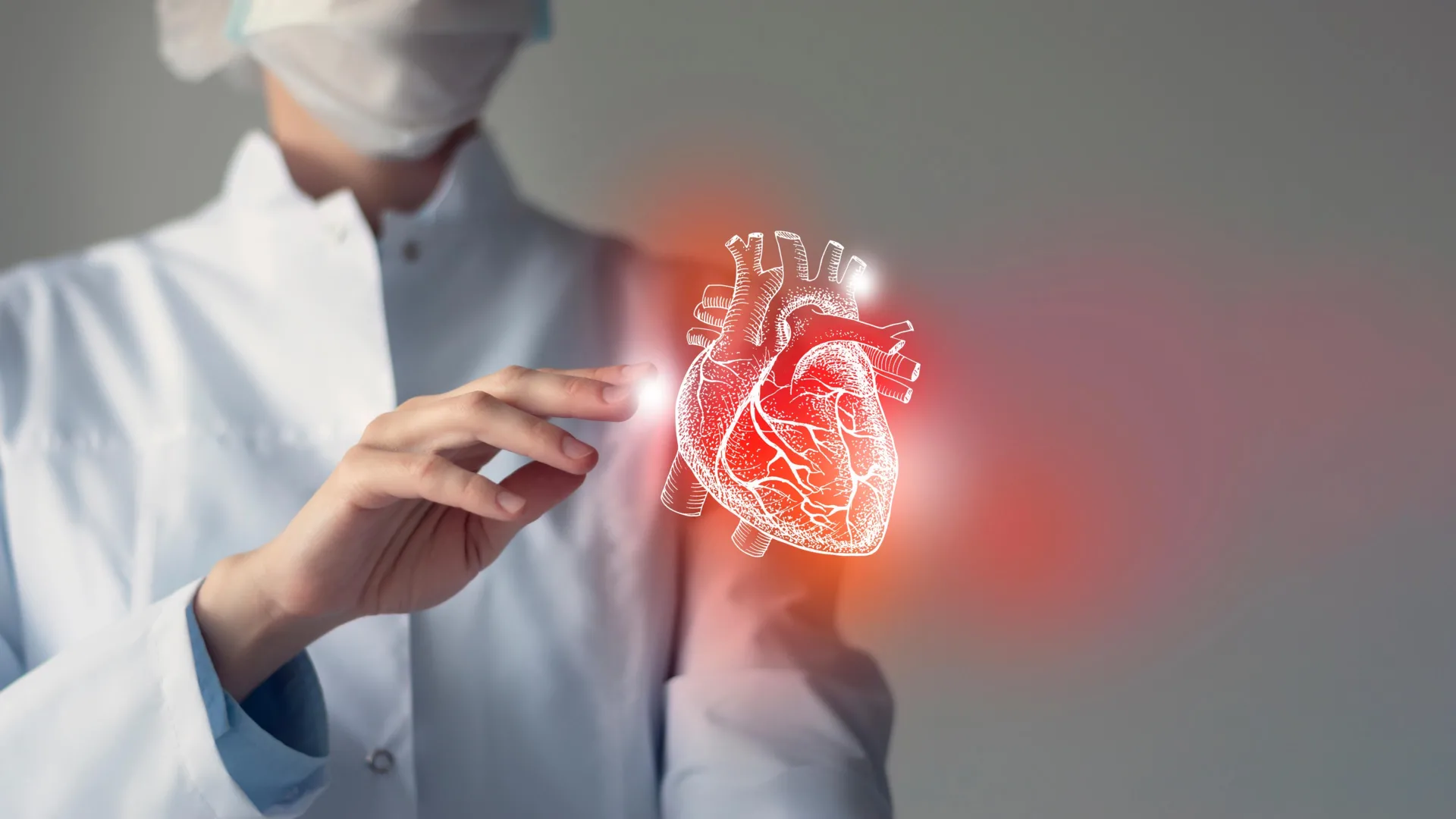
A groundbreaking investigation has unveiled compelling evidence demonstrating that Type 2 diabetes mellitus (T2DM) does not merely coexist with cardiovascular ailments but actively precipitates fundamental alterations in the heart’s intrinsic structure and its intricate energy-generating mechanisms. These critical discoveries offer an unprecedented understanding into the heightened susceptibility of individuals with T2DM to developing debilitating heart failure, thereby paving the way for targeted interventions and refined diagnostic protocols.
The global prevalence of Type 2 diabetes continues its alarming ascent, establishing itself as a significant public health challenge with profound implications for individual well-being and healthcare systems worldwide. Concurrently, cardiovascular diseases, particularly heart failure, remain the leading causes of morbidity and mortality across diverse populations. For decades, clinicians and researchers have observed a strong epidemiological correlation between T2DM and heart failure, noting that diabetic patients face a two-to-fourfold increased risk of developing this severe condition, irrespective of other cardiovascular risk factors like hypertension or dyslipidemia. This persistent observation has fueled extensive research into the underlying mechanisms, yet a comprehensive, direct elucidation of how T2DM specifically reconfigures the human heart at a molecular and structural level has remained elusive until now. Previous studies often relied on animal models, which, while valuable, do not always fully replicate the complex pathophysiological environment of the human heart in the context of chronic metabolic disease. The recent findings represent a pivotal moment, shifting the understanding from mere association to a direct, mechanistic causality, offering a more nuanced perspective on the intricate interplay between metabolic dysfunction and cardiac degeneration.
This seminal study, conducted by a team of dedicated scientists, meticulously analyzed donated human heart tissue sourced from patients undergoing heart transplantation, contrasting it with samples obtained from healthy cardiac donors. This direct interrogation of human myocardium provided an unparalleled opportunity to observe the true biological impact of T2DM in a clinical setting, circumventing the translational challenges often associated with preclinical models. The analytical approach was multifaceted, combining advanced molecular profiling with sophisticated imaging techniques. Researchers systematically compared tissue from individuals living with T2DM against non-diabetic controls, with a particular focus on patients presenting with ischemic cardiomyopathy—a condition characterized by impaired heart function due to reduced blood flow, and a predominant cause of heart failure globally. The findings were stark and unequivocal: T2DM instigates distinctive molecular reconfigurations within individual cardiac cells and profoundly alters the physical architecture of the heart muscle itself. These deleterious effects were particularly pronounced in the cohort of patients afflicted with both T2DM and ischemic cardiomyopathy, underscoring the synergistic and exacerbating influence of metabolic dysregulation on an already compromised cardiac system.
One of the most compelling aspects of this research lies in its ability to unravel the unique molecular signature that characterizes hearts affected by both T2DM and ischemic heart disease. While the general correlation between metabolic disorders and cardiac dysfunction has long been recognized, this investigation represents the first to simultaneously examine both conditions within human tissue, revealing a previously unrecognized molecular profile. This profile illuminates how T2DM fundamentally disrupts the heart’s ability to generate energy efficiently, maintain its structural integrity under physiological stress, and execute the synchronized contractions necessary for effective blood circulation. Employing state-of-the-art microscopy, the researchers were able to visually confirm these profound changes, observing a conspicuous accumulation of fibrous tissue—a process known as fibrosis—directly within the heart muscle. This pathological remodeling is a critical contributor to the heart’s diminished capacity, making it stiffer and less capable of its vital pumping function.
The financial and human cost of heart disease continues to escalate globally, with millions affected by various forms of cardiac dysfunction. In numerous developed nations, heart disease remains the primary cause of mortality, while the prevalence of T2DM continues to surge, affecting a substantial segment of the adult population. The insights garnered from this investigation are therefore not merely academic; they hold profound implications for clinical practice and public health. By delineating the precise molecular and structural alterations wrought by T2DM in the human heart, this research establishes a definitive mechanistic link that transcends previous correlational understandings. This deeper comprehension is indispensable for devising innovative treatment paradigms that could alleviate the immense burden of heart failure in diabetic individuals across the globe.
A critical area of exploration within the study focused on the heart’s energy metabolism, a complex system that is exquisitely sensitive to metabolic perturbations. In a healthy physiological state, the heart exhibits remarkable metabolic flexibility, predominantly utilizing fatty acids as its primary fuel source, with glucose and ketones serving as supplementary energy substrates. However, in the context of heart failure, there is a well-documented shift towards an increased reliance on glucose for energy production. T2DM, characterized by systemic insulin resistance, profoundly interferes with this delicate balance. Insulin resistance directly impairs the sensitivity of glucose transporters—specialized proteins crucial for facilitating the movement of glucose into and out of cells—within the myocardial tissue. This impairment means that even with elevated glucose levels in the bloodstream, cardiac cells struggle to efficiently absorb and utilize glucose, exacerbating an existing energy deficit.
The researchers observed that T2DM significantly compounds the molecular hallmarks of heart failure in patients with advanced cardiac disease. A key finding was the increased stress imposed upon mitochondria, the cellular organelles famously dubbed the "powerhouses of the cell" due to their central role in ATP production. Chronic mitochondrial stress, induced by the metabolic dysregulation characteristic of T2DM, leads to impaired energy generation, increased production of reactive oxygen species (oxidative stress), and ultimately, cellular dysfunction and death. This compromise in the fundamental energy supply chain directly undermines the heart’s capacity to meet its continuous, high-demand energetic requirements for contraction and relaxation, paving a direct path toward contractile dysfunction and eventual heart failure. The intricate dance of energy substrates is thrown into disarray, leaving the heart in a perpetual state of energetic crisis.
Beyond metabolic disruption, the study provided compelling evidence of significant structural damage within the heart muscle. T2DM was found to exert a detrimental impact on the proteins responsible for myocardial contraction and the precise regulation of intracellular calcium, which is vital for every heartbeat. In patients suffering from both T2DM and ischemic heart disease, the expression levels of these critical contractile and calcium-handling proteins were markedly reduced. Simultaneously, the researchers documented an excessive accumulation of fibrous tissue within the cardiac matrix. This pathological fibrosis is a hallmark of many forms of heart disease, leading to increased myocardial stiffness, reduced ventricular compliance, and impaired ability to pump blood efficiently throughout the body. The heart, quite literally, becomes harder and less elastic, diminishing its capacity to fill with blood during diastole and eject it during systole.
To corroborate these observations, the research team employed sophisticated RNA sequencing techniques. This molecular analysis confirmed that many of the observed protein changes were also reflected at the gene transcription level, particularly within pathways governing energy metabolism and tissue structure. This genetic corroboration strongly reinforces the direct link between T2DM and the observed functional and structural cardiac abnormalities. The insights gleaned from RNA sequencing, which provides a snapshot of gene activity, were then visually validated using advanced confocal microscopy. This powerful imaging technology allowed for high-resolution visualization of the structural changes, offering tangible evidence of the fibrous tissue buildup and the disorganization of the heart muscle architecture. The convergence of molecular and imaging data provides an exceptionally robust foundation for these findings.
The identification of specific molecular pathways involving mitochondrial dysfunction and fibrosis opens up exciting new vistas for therapeutic intervention. By precisely pinpointing these deleterious mechanisms, researchers and clinicians can now explore novel treatment approaches designed to directly counteract the damaging effects of T2DM on the heart. This represents a significant departure from generalized symptomatic treatments, moving towards highly targeted, mechanism-based therapies. Such interventions could include agents that enhance mitochondrial function and reduce oxidative stress, drugs that specifically inhibit pathological fibrosis, or compounds that improve insulin sensitivity directly within cardiac cells. The promise of these findings extends beyond pharmacotherapy; they could also inform and refine diagnostic criteria and disease management strategies across both cardiology and endocrinology. By understanding the unique molecular profile of the diabetic heart, healthcare providers could implement more tailored screening protocols, risk stratification tools, and preventative measures, ultimately enhancing the quality of care for millions of patients globally who grapple with both T2DM and the threat of heart failure.
The profound insights derived from this investigation lay the groundwork for a new era of understanding and treatment in cardio-diabetic medicine. Future research endeavors will undoubtedly focus on translating these fundamental discoveries into tangible clinical benefits. Longitudinal studies will be crucial to track the progression of these molecular and structural changes over time in diabetic patients, providing a clearer picture of disease evolution. Furthermore, the findings warrant investigation in broader and more diverse patient cohorts to confirm their generalizability and identify potential variations based on ethnicity, genetic background, or duration and severity of diabetes. The ultimate goal is to develop and validate novel diagnostic biomarkers that can identify at-risk individuals early, even before the onset of overt symptoms, allowing for timely and effective interventions. Moreover, the detailed mechanistic understanding of mitochondrial dysfunction and fibrosis in the diabetic heart provides a rational basis for designing clinical trials for new therapeutic agents, potentially leading to a new class of drugs that specifically protect the heart from the ravages of T2DM. This transformative research not only redefines the fundamental relationship between Type 2 diabetes and heart failure but also ignites hope for millions worldwide, promising a future where targeted interventions can significantly mitigate the devastating cardiac complications of this pervasive metabolic disorder.



 Ridwan Kamil
 Safa Marwah
 Aura Kasih
 Lisa Mariana