Aura Kasih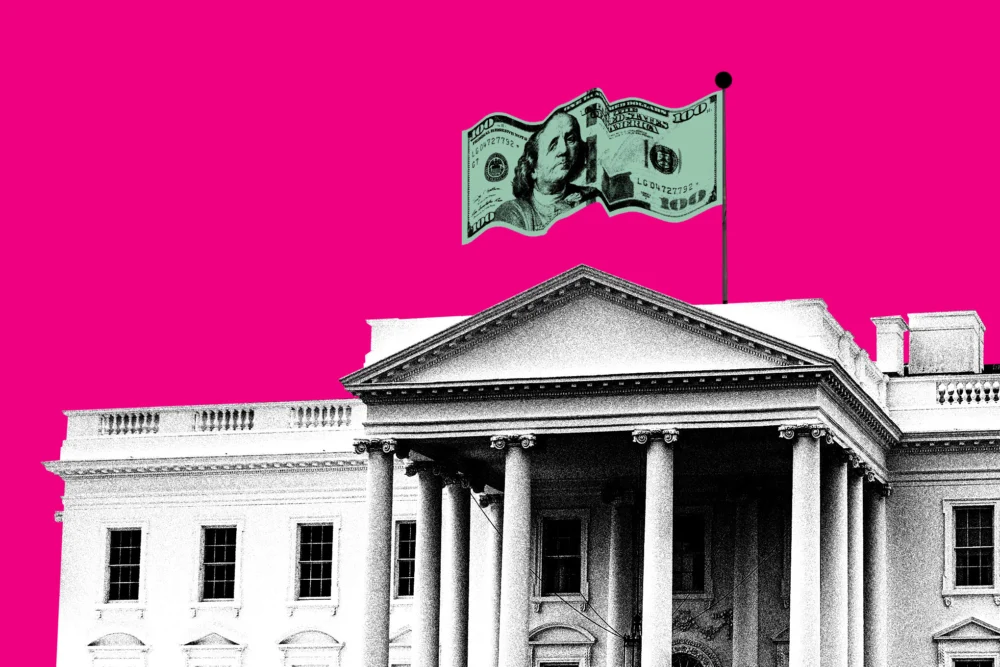
New disclosures reveal that the Trump administration actively solicited financial contributions from prominent technology and media corporations for the construction of a significant new ballroom facility at the White House, raising questions about potential quid pro quo arrangements and the influence of corporate donations on public policy. Documents recently released by the office of Senator Elizabeth Warren shed light on the extent of these solicitations, detailing interactions between administration fundraisers and executives from major companies like Microsoft, Amazon, and Comcast.
The initiative, reportedly a multi-million dollar endeavor aimed at enhancing the White House’s event capabilities, emerged shortly after President Donald Trump publicly announced plans to undertake the construction. This ambitious project, intended to replace or augment existing facilities in the East Wing, was positioned as a privately funded endeavor, suggesting a reliance on external financial backing rather than direct taxpayer allocation. The revelation that these funds were sought from the very corporations often subject to significant regulatory scrutiny has ignited a debate about the ethical boundaries of such fundraising and the potential for undue influence in governmental decision-making processes.
Microsoft, in its response to Senator Warren’s inquiries, confirmed that it was approached by an individual involved in the fundraising effort for the White House ballroom project. This contact occurred approximately two months after the administration initially unveiled its intentions for the new facility. According to Karen Christian, counsel for Microsoft, the company was provided with comprehensive information regarding the project’s funding mechanism, which involved the Trust for the National Mall acting as a steward of contributions in partnership with the National Park Service. The company was also furnished with instructions on how to make a donation and received an invitation to a dinner hosted for project supporters, an event Microsoft ultimately attended. This exchange highlights a direct line of communication between administration-aligned fundraisers and corporate entities, suggesting a deliberate effort to secure financial backing for a high-profile government project.
Similarly, Amazon, another titan of the technology sector, acknowledged its engagement with the fundraising group responsible for the ballroom initiative. Brian Huseman, Amazon’s vice president of public policy, stated that the company began communicating with the fundraising team in August 2025. While Huseman emphasized that Amazon did not review any construction plans nor enter into any specific agreements pertaining to the donation, the mere fact of communication with a project directly linked to the executive branch, particularly during a period of intense regulatory focus on Big Tech, warrants scrutiny. The nature of these communications and the timing are critical elements in assessing the broader implications of corporate involvement in such endeavors.
Comcast, a major player in the media and telecommunications industry, also confirmed its participation in the fundraising effort. In its correspondence, the company indicated that it made an "unrestricted donation" to the Trust for the National Mall. Comcast asserted that this contribution was made without any specific limitations or conditions regarding its use and that the company had no expectations of receiving any reciprocal benefits in return. While this statement aims to portray the donation as purely philanthropic, the context of its offering – a direct response to solicitation from a presidential administration – naturally invites examination of the potential for indirect benefits or preferential treatment.
The responses from other significant technology firms, including Meta, Nvidia, and Apple, offered less granular detail regarding their involvement in the ballroom project’s funding. Apple’s head of government affairs, Tim Powderly, for instance, offered a general assurance that the company’s donation was "handled ethically, honestly, and in full compliance with the law." While these assertions are designed to preempt concerns, the lack of transparency surrounding the specifics of their contributions and the nature of their interactions with the administration’s fundraising apparatus leaves room for interpretation and further inquiry. The broader pattern, however, is clear: a concerted effort by the Trump administration to leverage its influence to secure private funding for a significant White House enhancement.

The White House ballroom project itself represents a substantial undertaking. While precise figures can fluctuate, reports indicate the cost of construction could reach as high as $300 million. The decision to seek private donations for such a facility raises fundamental questions about the intersection of public service and private capital. Historically, the White House and its grounds have been maintained through public appropriations, ensuring a degree of accountability and transparency in their upkeep and development. The shift towards private fundraising, especially from entities that are frequent subjects of federal regulation and policy decisions, introduces a new dynamic.
The Trust for the National Mall, as the intermediary for these donations, plays a crucial role in this narrative. As a non-profit organization dedicated to supporting the National Park Service’s stewardship of Washington D.C.’s iconic monuments, the Trust serves as a legitimate conduit for philanthropic contributions. However, its involvement in facilitating donations for a project so directly linked to the executive branch, and solicited by administration-affiliated individuals, places it at the nexus of public interest and corporate influence. The operational framework of such partnerships, particularly when involving high-stakes corporate interests, demands rigorous oversight to safeguard against any appearance or reality of impropriety.
The implications of these corporate donations extend beyond the immediate construction of the ballroom. For companies operating in highly regulated sectors, such as technology, finance, and energy, contributions to projects associated with a presidential administration can be perceived as a means to foster goodwill and potentially influence policy outcomes. While explicit quid pro quo arrangements are illegal, the subtle dynamics of relationship-building and the cultivation of favorable perceptions can have tangible effects on regulatory approaches, legislative priorities, and the overall business environment. Critics argue that such solicitations create an uneven playing field, potentially disadvantaging smaller businesses or organizations that lack the financial capacity to contribute at such levels.
Furthermore, the timing of these solicitations is particularly noteworthy. The Trump administration, throughout its tenure, faced numerous antitrust investigations, regulatory challenges, and legislative debates that directly impacted the business operations and profitability of many of the corporations approached for donations. The ability of these companies to contribute millions of dollars to a White House project, while simultaneously navigating these complex governmental processes, invites scrutiny regarding the motivations behind their generosity and the potential for these donations to be interpreted as a form of strategic engagement with the administration.
Expert analysis in political science and ethics often points to the inherent risks associated with deep corporate entanglement in government projects. Dr. Anya Sharma, a professor of political ethics at Georgetown University, notes, "When the lines between public funding and private philanthropy blur, particularly for projects directly associated with the executive residence, it creates a perception, if not the reality, of influence. The public has a right to expect that decisions are made in the national interest, free from the specter of financial inducements." She further elaborates, "The challenge lies in distinguishing between genuine civic engagement and strategic positioning. Without clear and robust transparency mechanisms, it becomes difficult to assess the true drivers behind these financial flows."
The current disclosures, while providing a window into the solicitation process, leave many questions unanswered. The exact amounts contributed by each corporation, the specific nature of the "conversations" held with fundraisers, and any subsequent interactions or policy considerations that may have followed these donations are not fully elucidated. The reliance on voluntary disclosures from the corporations themselves, in response to congressional inquiry, underscores the need for more proactive and comprehensive reporting requirements for such fundraising activities.
Looking ahead, these revelations are likely to fuel ongoing debates about campaign finance reform, lobbying regulations, and the ethical governance of presidential administrations. As future administrations grapple with the financing of public projects and the cultivation of relationships with the private sector, the precedent set by the Trump administration’s approach to the White House ballroom fundraising will undoubtedly be a point of reference. The imperative for clear ethical guidelines, stringent oversight, and unwavering transparency in all dealings between government and corporate entities remains paramount to maintaining public trust and ensuring the integrity of democratic processes. The ongoing examination of these events by legislative bodies and public watchdogs will be critical in shaping future policies and fostering a more accountable environment for public-private partnerships. The inherent power imbalance between a sitting administration and major corporations necessitates a vigilant approach to prevent any erosion of public confidence in the fairness and impartiality of governance.




 Ayu Aulia
 Ridwan Kamil
 Safa Marwah
 Lisa Mariana