
 Ridwan Kamil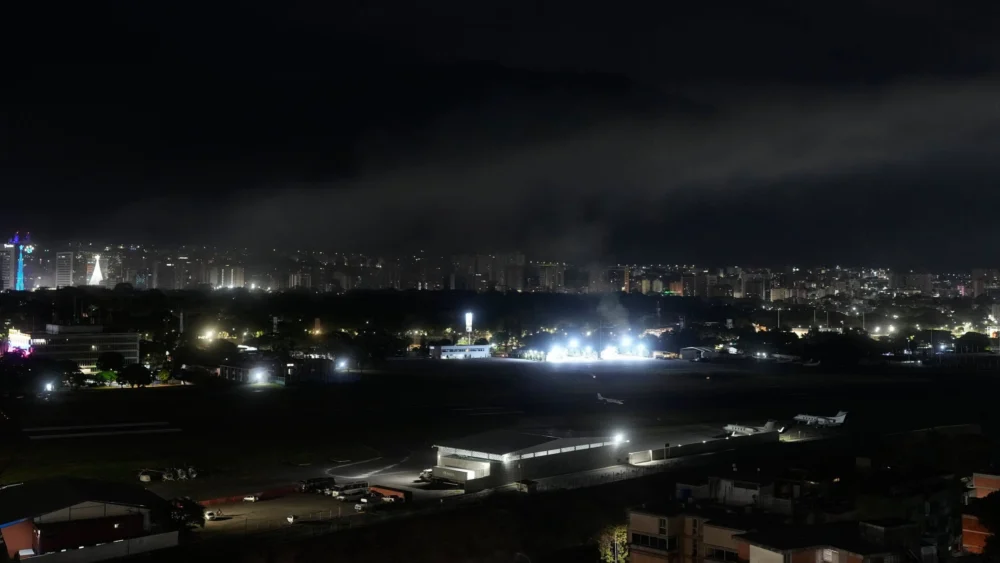
A series of significant explosions have reverberated through the Venezuelan capital of Caracas, sparking widespread alarm and prompting immediate scrutiny into the nation’s already fragile security landscape. The precise nature and origin of these blasts remain unclear, adding a layer of profound uncertainty to an environment already grappling with deep-seated economic and political instability.
The capital city of Venezuela, a nation perpetually teetering on the precipice of multifaceted crises, was jolted by a series of powerful detonations in recent times. These incidents, occurring in proximity to key infrastructure and residential areas, have not only disrupted the daily lives of citizens but have also ignited a fresh wave of apprehension regarding the state’s capacity to maintain public order and national security. The lack of immediate official explanation for these explosions has only served to amplify speculation and concern amongst both domestic and international observers.
A City Under Siege: The Immediate Aftermath and Official Response
Eyewitness accounts from various districts of Caracas paint a picture of sudden chaos and disarray. Residents described hearing deafening booms that shook buildings and shattered windows, leading to immediate panic and widespread evacuation of affected areas. Emergency services were reportedly deployed, but initial reports suggest a degree of confusion and a slow response, consistent with the operational challenges faced by Venezuelan institutions.
The Venezuelan government, often characterized by its measured and sometimes opaque communication during periods of crisis, has yet to provide a definitive explanation for the explosions. Initial statements have been vague, with officials referencing ongoing investigations and urging citizens to remain calm. This lack of transparency, however, is unlikely to assuage the fears of a populace accustomed to navigating uncertainty. The absence of clear information fuels speculation, ranging from industrial accidents to more sinister interpretations involving internal or external destabilization efforts.
Underlying Tensions: Economic Hardship and Political Polarization
These explosions do not occur in a vacuum. Venezuela has been enduring one of the most severe economic contractions in modern history. Hyperinflation, widespread shortages of basic goods, and a mass exodus of its population have left the country in a state of profound distress. The Maduro regime, facing international sanctions and domestic dissent, has struggled to assert control and provide basic services.
The political landscape remains deeply polarized. The opposition, though fragmented, continues to challenge the legitimacy of President Nicolás Maduro’s government. The ongoing struggle for power, coupled with the dire economic conditions, creates a fertile ground for social unrest and potential acts of sabotage or violence. Whether these explosions are a consequence of this volatile internal dynamic or a separate issue entirely remains a critical question.
Expert Analysis: Potential Triggers and Ramifications
Security analysts and regional experts are closely monitoring the situation, attempting to decipher the potential implications of these events. Several hypotheses are being considered:
- Industrial Accidents: Given the presence of aging industrial infrastructure, particularly in the petrochemical and energy sectors, the possibility of accidental explosions cannot be entirely discounted. However, the scale and apparent coordination of multiple incidents, if confirmed, would make a purely accidental explanation less likely.
- Sabotage and Destabilization: In a climate of deep political animosity and external pressure, acts of sabotage aimed at disrupting critical infrastructure or sowing fear are a distinct possibility. Such actions could be orchestrated by domestic opposition groups seeking to exacerbate the government’s woes, or potentially by external actors seeking to further destabilize the region. The economic and political ramifications of such acts would be significant, potentially deterring foreign investment and exacerbating the humanitarian crisis.
- Internal Security Breakdown: The possibility that these explosions are indicative of a broader breakdown in internal security cannot be overlooked. Insufficient resources, corruption, and politicization within security forces could lead to a situation where illicit actors operate with relative impunity. This would represent a grave concern for the safety and security of the Venezuelan populace.
- Criminal Syndicate Activity: While less commonly associated with large-scale explosions, the presence of powerful criminal organizations, particularly those involved in illicit trafficking, cannot be entirely dismissed as a potential factor, especially if such incidents were intended to disrupt law enforcement operations or assert territorial control.
The ramifications of these explosions extend beyond immediate safety concerns. They threaten to further erode confidence in the government’s ability to govern, potentially intensifying the ongoing migration crisis as citizens seek safer havens. For neighboring countries already grappling with the influx of Venezuelan refugees, any further instability in Caracas could lead to an increased burden on their resources and social services.
The International Dimension: Sanctions and Regional Stability
Venezuela’s geopolitical standing is complex, marked by international sanctions imposed by the United States and other Western nations, primarily due to concerns over democratic backsliding and human rights abuses. These sanctions have significantly hampered the government’s ability to access international finance and conduct trade, further deepening the economic crisis.
The current events could also draw renewed international attention. If evidence emerges suggesting external involvement or a deliberate attempt to destabilize the region, it could lead to further diplomatic pressure or even a recalibration of existing sanctions regimes. Conversely, if the explosions are perceived as a purely internal security failure, it might reinforce existing narratives about the country’s ongoing collapse.
Looking Ahead: The Imperative for Transparency and Resolution
The immediate priority for the Venezuelan authorities must be to provide a clear, evidence-based explanation for the explosions. Transparency is paramount in rebuilding trust, both domestically and internationally. A thorough and impartial investigation is crucial to identify the perpetrators and prevent future incidents.
The long-term implications of these events hinge on the government’s ability to address the underlying causes of instability in Venezuela. This includes tackling the severe economic crisis, fostering political dialogue, and restoring the rule of law. Without meaningful progress on these fronts, the cycle of uncertainty and potential violence is likely to persist, with profound consequences for the Venezuelan people and the broader Latin American region.
The explosions in Caracas serve as a stark reminder of the fragility of Venezuela’s current situation. As the nation navigates this latest crisis, the international community will be watching closely, seeking signs of stabilization and a commitment to resolving the multifaceted challenges that continue to plague this strategically important South American nation. The path forward remains fraught with peril, and the resolution of these explosive events will be a critical indicator of Venezuela’s capacity to emerge from its protracted period of turmoil.



 Aura Kasih
 Safa Marwah
 Lisa Mariana