Lisa Mariana
As Prime Minister Keir Starmer prepares for a landmark diplomatic mission to Beijing, the United Kingdom is signaling a calculated recalibration of its foreign policy, emphasizing the imperative of engaging with China’s formidable economic landscape while meticulously balancing longstanding alliances and geopolitical sensitivities. This upcoming visit, marking the first by a British head of government to China in eight years, underscores a pragmatic shift in London’s approach, prioritizing commercial opportunities even amidst a complex global environment marked by escalating geopolitical rivalries and persistent human rights concerns. Starmer’s assertion that the UK cannot afford to disregard the substantial economic avenues presented by the People’s Republic of China, coupled with his insistence that Britain will not be compelled to choose allegiance between Washington and Beijing, lays the groundwork for a nuanced, yet potentially perilous, diplomatic endeavor.
The Prime Minister’s rationale, articulated in a recent interview, centers on the profound economic realities of the 21st century. China, as the world’s second-largest economy and a pivotal player in global trade and manufacturing, represents an indispensable market and a significant source of investment for nations worldwide. For the UK, grappling with post-Brexit economic adjustments and a continuous quest for new growth drivers, direct engagement with China is framed not merely as an option but as a strategic necessity. Starmer highlighted the "significant opportunities" awaiting British enterprises, spanning various sectors from financial services and advanced manufacturing to green technology and education. Ignoring such a colossal economic power, he suggested, would constitute an act of self-defeating isolationism, akin to "sticking your head in the sand." This perspective champions a policy of "de-risking" rather than outright "decoupling," advocating for a selective engagement that mitigates vulnerabilities without severing beneficial ties.
This strategic pivot is inherently complicated by the intensifying rivalry between the United States and China, which has increasingly reshaped the international order. The past few years have witnessed a sharp escalation in trade disputes, technological competition, and geopolitical posturing between the two superpowers, placing many of their allies, including the UK, in an uncomfortable intermediary position. Starmer’s explicit rejection of a binary choice between Washington and Beijing is a cornerstone of his administration’s foreign policy doctrine. He affirmed the enduring strength and criticality of the UK’s "special relationship" with the United States, particularly in areas of business, security, and defense cooperation. However, he simultaneously posited that these robust transatlantic ties do not preclude a pragmatic, albeit cautious, engagement with China. This stance reflects a desire for strategic autonomy, allowing the UK to pursue its national interests on a global scale without being entirely subsumed by the dynamics of a bipolar world.
The timing and context of this high-level visit are particularly instructive. It follows a period of considerable strain within the Western alliance, exacerbated by the unpredictable foreign policy maneuvers of figures like former U.S. President Donald Trump, whose past actions have underscored the fragility of multilateral relationships. Trump’s previous threats to impose tariffs on allies, his controversial remarks regarding NATO and military contributions, and his assertive stance on trade deals involving China, have all contributed to an environment where traditional alliances are tested. Such episodes may have reinforced the UK’s conviction that an over-reliance on any single ally, or an ideological alignment that precludes pragmatic engagement, could prove detrimental to its long-term national interests. By demonstrating a capacity for independent foreign policy, London aims to enhance its leverage and adaptability on the global stage.
A substantial delegation of British business leaders is slated to accompany Prime Minister Starmer on his journey, which includes stops in both Beijing and the economic powerhouse of Shanghai. This commercial entourage underscores the primarily economic impetus behind the trip. Representatives from diverse sectors—ranging from renewable energy and pharmaceutical companies to luxury goods manufacturers and financial institutions—are expected to seek opportunities for investment, market access, and collaboration. For these businesses, China represents not only a vast consumer market but also a critical component of global supply chains and a hub for innovation in certain technological domains. The mission aims to foster direct dialogue, identify concrete commercial ventures, and potentially alleviate some of the regulatory and market access challenges that British firms have encountered in China. The success of these commercial engagements will be a key metric for evaluating the overall efficacy of the visit.
Beyond commerce, the visit carries significant diplomatic weight. The recent approval by the UK of plans for a vast new Chinese embassy in London, despite some domestic opposition and local concerns, signals a reciprocal gesture of diplomatic recognition and a commitment to maintaining official channels. Concurrently, the UK awaits Beijing’s approval for its own £100 million plan to redevelop the British embassy in the Chinese capital. Such exchanges, while seemingly administrative, are often imbued with symbolic meaning in international relations, reflecting a mutual desire to facilitate bilateral engagement even as underlying tensions persist. They indicate a pragmatic acceptance of the need for sustained diplomatic presence and interaction, irrespective of broader geopolitical disagreements.
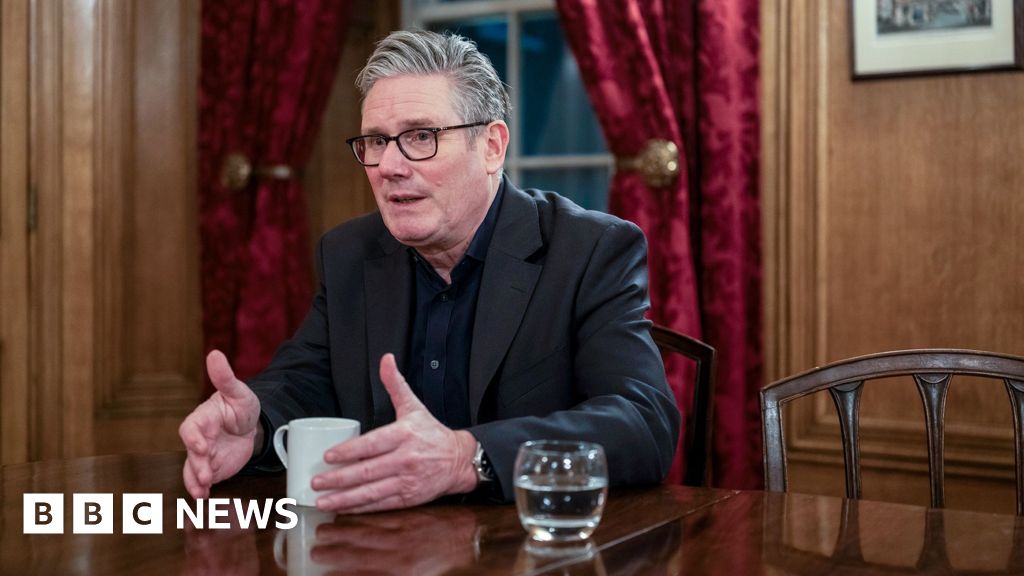
However, the "diplomatic tightrope" that Sir Keir Starmer must traverse is fraught with considerable challenges and risks, as articulated by seasoned observers like former Foreign Secretary Sir Jeremy Hunt. While acknowledging the rationale for engagement, Hunt cautioned that the UK must remain "clear-eyed" about China’s strategic ambitions, particularly its potential long-term goal to "prize apart" the close relationship between the UK and the US. This concern highlights the delicate balance required: fostering economic ties without inadvertently undermining core security alliances or compromising fundamental values.
One of the most sensitive aspects of the trip will undoubtedly be the issue of human rights. Starmer has indicated his intention to raise disagreements with Beijing on this front, specifically mentioning the plight of Jimmy Lai, the Hong Kong pro-democracy media tycoon. Lai’s conviction for colluding with foreign forces, under Hong Kong’s national security laws, has drawn widespread condemnation from Western governments, including the UK and the US, who view it as emblematic of Beijing’s erosion of the city’s autonomy and suppression of political dissent. Raising such high-profile cases directly with Chinese authorities presents a significant diplomatic challenge. It requires a delicate calibration between asserting democratic values and avoiding actions that could derail economic discussions or provoke a strong negative reaction from Beijing. The UK’s approach will likely involve a combination of private diplomacy and public statements, seeking to exert pressure while preserving avenues for constructive dialogue.
Beyond individual cases, broader human rights concerns persist, including the situation in Xinjiang, Tibet, and the ongoing crackdown on civil liberties across mainland China. The UK’s ability to advocate for these concerns while simultaneously pursuing economic opportunities will be a defining test of its pragmatic engagement strategy. Any perception of compromising on human rights for commercial gain could invite criticism domestically and from international allies.
Furthermore, national security implications loom large. The increasing integration of Chinese technology into global infrastructure, concerns over cyber espionage, and the potential for economic coercion all necessitate a robust national security framework alongside economic engagement. The UK’s approach will likely involve maintaining stringent scrutiny over foreign investments in critical infrastructure and sensitive technologies, ensuring that economic cooperation does not inadvertently create vulnerabilities.
The wider regional security landscape, particularly the Taiwan Strait and the South China Sea, also forms a crucial backdrop to UK-China relations. While the UK aligns with its allies in advocating for peace and stability in these regions, its direct involvement is limited. Starmer’s visit will need to carefully navigate these geopolitical fault lines, signaling a commitment to international law and norms without unnecessarily escalating tensions.
In conclusion, Prime Minister Keir Starmer’s impending visit to China represents a pivotal moment for British foreign policy. It embodies a calculated risk, an attempt to forge a path of pragmatic engagement that acknowledges China’s undeniable economic clout while upholding the UK’s commitment to its democratic values and core alliances. The success of this endeavor will hinge on London’s ability to master the intricacies of "diplomatic tightrope walking"—securing tangible economic benefits, asserting a principled stance on human rights, and reinforcing its transatlantic partnership, all within the volatile dynamics of the evolving global order. The outcomes of this mission will not only shape the future trajectory of UK-China relations but also offer valuable insights into how middle powers seek to navigate an increasingly multipolar and contested international landscape.




 Ayu Aulia
 Ridwan Kamil
 Safa Marwah
 Aura Kasih