
 Ridwan Kamil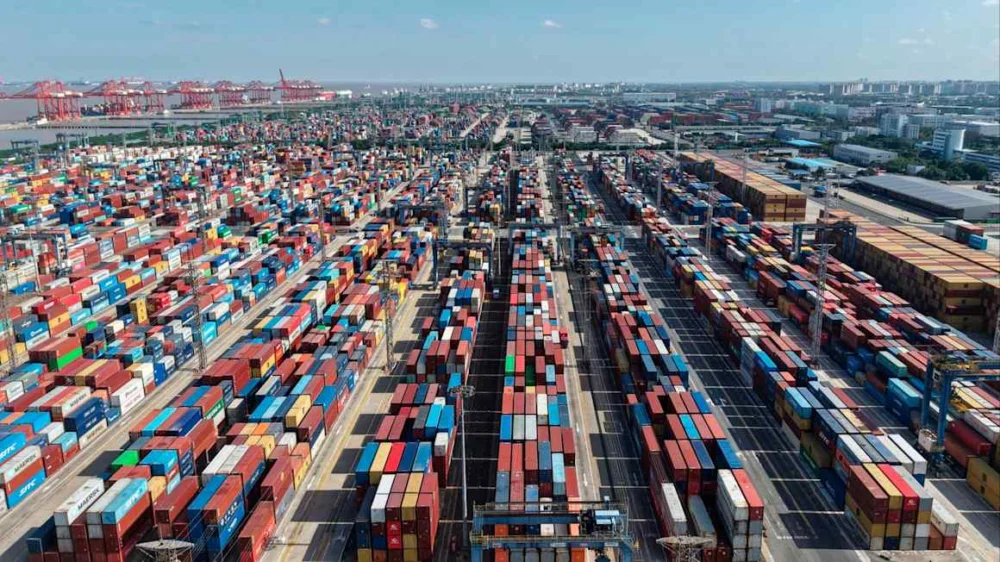
China’s trade surplus with the United States has surged to an all-time record of $1.2 trillion, prompting Beijing to attribute this significant imbalance to American economic policies and consumption patterns, a stance that intensifies ongoing bilateral trade tensions.
The sheer magnitude of the trade surplus, a metric reflecting the difference between a country’s exports and imports, underscores the deepening economic chasm between the world’s two largest economies. This record figure is not merely a statistical anomaly; it represents a complex interplay of global economic forces, national trade strategies, and the evolving dynamics of international commerce. China’s assertion that the US is primarily responsible for this imbalance suggests a deliberate framing of the issue, shifting the onus from its own manufacturing prowess and export-driven growth model to perceived American fiscal policies, consumer demand, and potentially, protectionist measures.
A Deepening Imbalance: Historical Context and Contributing Factors
The current record surplus is the culmination of years of escalating trade figures. For decades, China has operated as the "world’s factory," leveraging its vast labor pool and manufacturing capabilities to produce goods at competitive prices for global markets, particularly the United States. This has fostered a symbiotic, albeit increasingly strained, economic relationship. American consumers have benefited from access to a wide array of affordable goods, contributing significantly to their purchasing power. Concurrently, US businesses have relied on Chinese manufacturing to maintain competitive pricing and supply chains.
However, this robust export performance by China has consistently outpaced its imports from the US, creating a structural trade deficit for America. Several factors contribute to this persistent imbalance. Firstly, the composition of trade is a key element. China exports a broad spectrum of manufactured goods, from electronics and textiles to machinery and consumer products. Conversely, the US exports a significant portion of its goods in sectors like agriculture, aerospace, and advanced technology, which are not always produced in the same volume or at the same price point as Chinese manufactured goods.
Secondly, currency valuations have historically played a role, though this has become a more contentious issue in recent years. While China’s currency, the renminbi (RMB), has seen appreciation, allegations of currency manipulation have persisted, with critics arguing that an undervalued RMB historically made Chinese exports cheaper and US imports more expensive.
Thirdly, and as highlighted by China’s recent statements, American fiscal and monetary policies can exacerbate trade imbalances. Periods of strong consumer spending in the US, often fueled by government stimulus or low interest rates, naturally increase demand for imported goods. If domestic production cannot meet this surge in demand, imports fill the gap, widening the trade deficit. Furthermore, US trade policies, including tariffs imposed in recent years, have aimed to curb imports and rebalance trade, but their effectiveness in significantly reducing the overall surplus has been debated, with some arguing they have led to trade diversion rather than a reduction in the deficit.
China’s Perspective: A Critique of US Economic Strategy
Beijing’s attribution of blame to the US for the record trade surplus warrants closer examination. This narrative suggests a strategic attempt to deflect criticism of its own trade practices and to frame the imbalance as a consequence of US economic management. From this viewpoint, China might argue that:
- US Consumption-Driven Economy: The US economy is heavily reliant on consumer spending, which inherently drives demand for imported goods. If domestic production capacity is insufficient or less competitive in certain sectors, the trade deficit with exporting nations like China is an inevitable outcome.
- Monetary and Fiscal Policies: Expansive monetary policies, such as quantitative easing and low interest rates, can stimulate domestic demand and encourage borrowing, leading to increased consumption and a greater propensity to import. Similarly, fiscal stimulus packages can boost consumer purchasing power.
- Barriers to US Exports: China may contend that while it is open to imports, certain US export sectors face challenges in penetrating the Chinese market due to regulatory hurdles, differing product standards, or a lack of competitiveness. This argument implicitly pushes back against US claims of unfair trade practices by China.
- Supply Chain Dynamics: The intricate global supply chains, in which China plays a central role, are not solely dictated by Chinese policy. The decisions of multinational corporations to source and manufacture in China, driven by cost efficiencies and market access, contribute to the overall trade flow.
This framing allows Beijing to position itself as a provider of essential goods that meet global demand, while simultaneously placing the onus on the US to manage its internal economic drivers and consumption patterns.
Implications of the Record Surplus: Economic and Geopolitical Ramifications
The persistent and widening trade surplus carries significant implications for both nations and the global economic order.
For the United States, a persistent large trade deficit can contribute to several economic challenges:
- Job Displacement: While the relationship is complex and debated, a large deficit in manufactured goods can be associated with job losses in domestic manufacturing sectors.
- National Debt: To finance its consumption and investment, the US often relies on foreign capital inflows, which can contribute to an increase in national debt.
- Currency Valuation Pressures: A persistent deficit can, in theory, put downward pressure on the US dollar, though its status as a global reserve currency often mitigates this effect.
- Geopolitical Leverage: The trade imbalance can become a point of contention in diplomatic and geopolitical discussions, providing leverage for trading partners.
For China, while the surplus fuels its export-driven growth and accumulates foreign exchange reserves, it also presents its own set of challenges:
- Dependence on External Demand: A heavy reliance on exports makes China vulnerable to fluctuations in global demand and trade protectionism in its key markets.
- Renminbi Appreciation Pressures: Large trade surpluses can lead to upward pressure on the renminbi, which can make Chinese exports less competitive and complicate monetary policy.
- International Scrutiny: A massive surplus draws international attention and criticism regarding trade practices, potentially leading to trade disputes and retaliatory measures.
- Need for Domestic Rebalancing: The surplus highlights China’s ongoing efforts to rebalance its economy towards domestic consumption and services, a transition that is crucial for sustainable long-term growth.
Globally, the record surplus between the US and China amplifies concerns about the stability of international trade relations. It fuels protectionist sentiments in various countries and can lead to a fragmentation of global supply chains as nations seek to diversify their sourcing and reduce reliance on perceived dominant players. This trend can increase costs for businesses and consumers worldwide.
Future Outlook: Navigating the Trade Divide
The current trajectory suggests that the trade imbalance between China and the US is unlikely to resolve quickly. Beijing’s emphasis on US policy as the primary driver indicates a potential unwillingness to make significant concessions that could be perceived as capitulation. Conversely, the US, facing domestic pressures to address trade deficits, may continue to employ a mix of diplomatic engagement, trade negotiations, and potentially, continued use of tariffs or other trade-restrictive measures.
Several scenarios could unfold:
- Continued Stalemate and Incremental Adjustments: The current dynamic of blame and counter-blame may persist, with minor adjustments in trade flows due to market forces and policy shifts. This would likely see the surplus remain elevated, with ongoing friction.
- Escalation of Trade Tensions: A more confrontational approach could lead to further tariffs, sanctions, or other punitive trade measures, potentially impacting global markets and supply chains more severely.
- Strategic Rebalancing Efforts: Both nations could intensify efforts to rebalance their economies. For China, this would mean accelerating the shift towards domestic consumption and innovation. For the US, it could involve policies aimed at reshoring manufacturing, enhancing competitiveness, and diversifying trade partners.
- Global Cooperation and Reform: A more optimistic outlook would involve renewed efforts at the multilateral level, such as within the World Trade Organization, to address systemic trade imbalances and promote fairer competition. However, the current geopolitical climate makes such broad cooperation challenging.
Ultimately, the record-breaking trade surplus between China and the US is more than just a statistic; it is a symptom of deeper structural economic differences and a significant geopolitical challenge. Beijing’s assertive stance in blaming Washington signals a strategic intent to shape the narrative, but the underlying economic realities suggest that a sustainable resolution will require a fundamental recalibration of economic policies and strategies by both nations, alongside a broader effort to foster a more balanced and stable international trade environment. The path forward will likely be characterized by continued negotiation, strategic maneuvering, and an ongoing adaptation to the evolving global economic landscape.




 Safa Marwah
 Aura Kasih
 Lisa Mariana
 Ayu Aulia