Lisa Mariana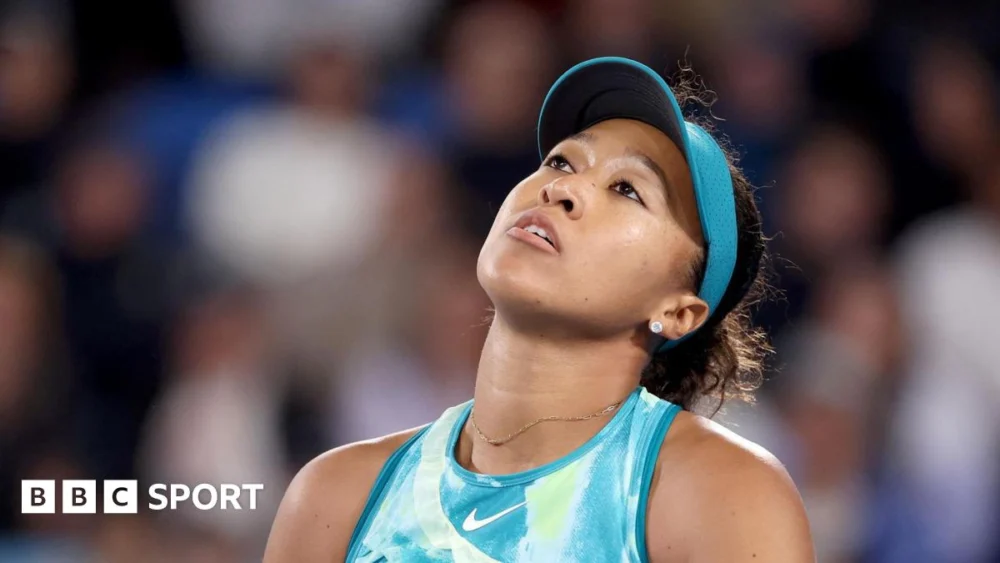
The highly anticipated Australian Open 2026 has experienced a significant shift in its women’s singles draw, as former two-time champion Naomi Osaka announced her withdrawal from the third round due to a sustained left abdominal injury, a development that unexpectedly propels Australian qualifier Maddison Inglis into the fourth round of a Grand Slam for the first time in her career. This unforeseen turn of events, revealed just hours before Osaka was scheduled to compete, has sent ripples through the tournament, altering key matchups and opening new pathways for contenders in the women’s draw.
The abrupt announcement from the Osaka camp, confirming her inability to proceed, came approximately two hours prior to her scheduled evening encounter on Rod Laver Arena against Inglis. The decision, though undoubtedly difficult, underscores the increasingly rigorous demands placed upon elite athletes and the paramount importance of prioritizing long-term physical well-being over immediate competitive aspirations. Osaka, at 28 years old and seeded 16th in the tournament, had been a strong contender, demonstrating formidable form in her initial matches. Her departure marks a considerable loss for the tournament’s star power and for fans eager to witness her pursuit of a third Melbourne title.
In a statement conveyed through her digital platforms, the Japanese superstar expressed profound disappointment regarding her withdrawal. She articulated the necessity of addressing a physical issue that had manifested following her preceding match, emphasizing the imperative to prevent any exacerbation of the injury. "The choice to step away from the competition was immensely challenging, particularly as this particular run in the tournament held significant personal meaning," Osaka communicated. "My enthusiasm for continuing was immense, and halting at this juncture is truly heartbreaking. However, the risk of incurring further damage is a gamble I cannot afford, as my ultimate goal is to ensure a swift and complete return to competitive play." This candid acknowledgment highlights the constant calibration athletes must perform between peak performance and sustainable career longevity.
For Maddison Inglis, also 28, ranked 168th globally, Osaka’s withdrawal represents an unprecedented and bittersweet career milestone. Having navigated the arduous three rounds of qualifying, a path made more challenging after being overlooked for a direct main draw wildcard by Tennis Australia, Inglis now finds herself in the fourth round of a major championship, a feat previously unachieved in her professional journey. Her resilience and determination through the qualifying stages, culminating in this unexpected advancement, embody the spirit of the underdog and the unpredictable nature of Grand Slam events. Inglis’s journey to this point has been a testament to perseverance, demonstrating that opportunity can arise from the most unexpected circumstances.
The Australian’s progression sets the stage for a compelling fourth-round clash against either Polish second seed Iga Swiatek, a formidable force in women’s tennis, or the accomplished Russian 31st seed Anna Kalinskaya. This sudden elevation into the tournament’s second week provides Inglis with an unparalleled platform to further showcase her capabilities and potentially make an even deeper run into the quarter-finals, a prospect that would dramatically reshape her career trajectory and international standing. The pressure on her will undoubtedly intensify, but so too will the opportunity to compete against the sport’s elite on the biggest stages.
Naomi Osaka’s storied history at the Australian Open includes triumphant campaigns in 2019 and 2021, cementing her reputation as one of the most dominant hard-court players of her generation. Her powerful baseline game, exceptional serve, and mental fortitude have historically made her a formidable opponent, particularly in Melbourne. Her absence from the latter stages of the tournament inevitably leaves a void, both in terms of competitive intensity and fan engagement. Given her status as a global icon of the sport, her early departure is felt beyond the immediate competitive sphere, impacting viewership and narrative development.
The frequency of injuries in professional tennis, particularly at the Grand Slam level, remains a persistent concern within the sport. The physical demands of relentless training, extensive travel, and high-stakes competition push athletes to their absolute limits. Abdominal strains, often resulting from the explosive rotational movements inherent in serving and groundstrokes, are common ailments that can severely impede performance and necessitate recovery periods. Osaka’s decision, while disappointing for her and the tournament, aligns with a broader trend among elite athletes who are increasingly prioritizing long-term health and career sustainability over short-term gains, recognizing that pushing through significant discomfort can lead to more severe, protracted absences.
From an analytical perspective, Osaka’s withdrawal significantly reconfigures the dynamics of the women’s singles draw. As a seeded player and a two-time champion, she occupied a crucial position within her section, influencing the potential path for numerous competitors. Her departure effectively "opens up" that section, potentially providing an easier route to the later rounds for players who might otherwise have faced her formidable challenge. This creates a ripple effect, altering the strategic considerations for coaches and players alike, as they reassess their prospective opponents and adjust their preparations accordingly. The competitive landscape instantly becomes more fluid and unpredictable.
Furthermore, the incident underscores the intense scrutiny surrounding player welfare in modern professional tennis. Governing bodies and player associations are continuously evaluating tournament schedules, court surfaces, and medical support systems to mitigate injury risks. However, the inherent nature of professional sport, particularly Grand Slams with their best-of-three-sets format and potential for extended matches, places immense strain on the human body. Osaka’s experience serves as a poignant reminder of the fine line athletes walk between peak performance and physical breakdown, highlighting the critical role of comprehensive medical teams and proactive injury management strategies.
The implications for Naomi Osaka’s 2026 season are substantial. An early-season injury, particularly one that forces a withdrawal from a major, can disrupt rhythm and confidence. Her recovery timeline will dictate her participation in upcoming tournaments, potentially affecting her ranking points accumulation and seeding for subsequent events. A meticulously planned rehabilitation program will be crucial to ensure her full return to form and to prevent recurrence. For an athlete of her caliber, the focus will undoubtedly be on a strategic return that allows her to compete at her highest level, rather than rushing back prematurely. Her team will be analyzing her schedule for the remainder of the year, potentially adjusting participation in various tours to manage her workload effectively.
Conversely, for Maddison Inglis, this unexpected advancement could be a career-defining moment. Reaching the fourth round of a Grand Slam not only provides a significant boost in ranking points and prize money but also offers invaluable experience competing on a grand stage against top-tier opponents. This exposure can attract greater attention from sponsors, elevate her profile within the sport, and instill a newfound belief in her capabilities. Her ability to capitalize on this momentum, regardless of the outcome of her next match, will be critical. The narrative of an unseeded qualifier making a deep run in a major often captures the imagination of fans and media alike, potentially providing a springboard for future successes.
In conclusion, Naomi Osaka’s withdrawal from the Australian Open 2026 due to injury represents a significant narrative pivot for the tournament. While it deprives fans of witnessing a two-time champion in action, it simultaneously thrusts an underdog like Maddison Inglis into the spotlight, creating an unexpected and compelling storyline. This incident reinforces the brutal physical demands of elite tennis, the difficult decisions athletes must make concerning their health, and the inherent unpredictability that defines Grand Slam competitions. As the tournament progresses, the repercussions of Osaka’s absence will continue to unfold, shaping the paths of remaining contenders and contributing to the evolving tapestry of women’s professional tennis. The focus now shifts to Osaka’s recovery and rehabilitation, and to Inglis’s opportunity to seize an unprecedented moment on the sport’s biggest stage.




 Ayu Aulia
 Safa Marwah
 Aura Kasih