
 Ridwan Kamil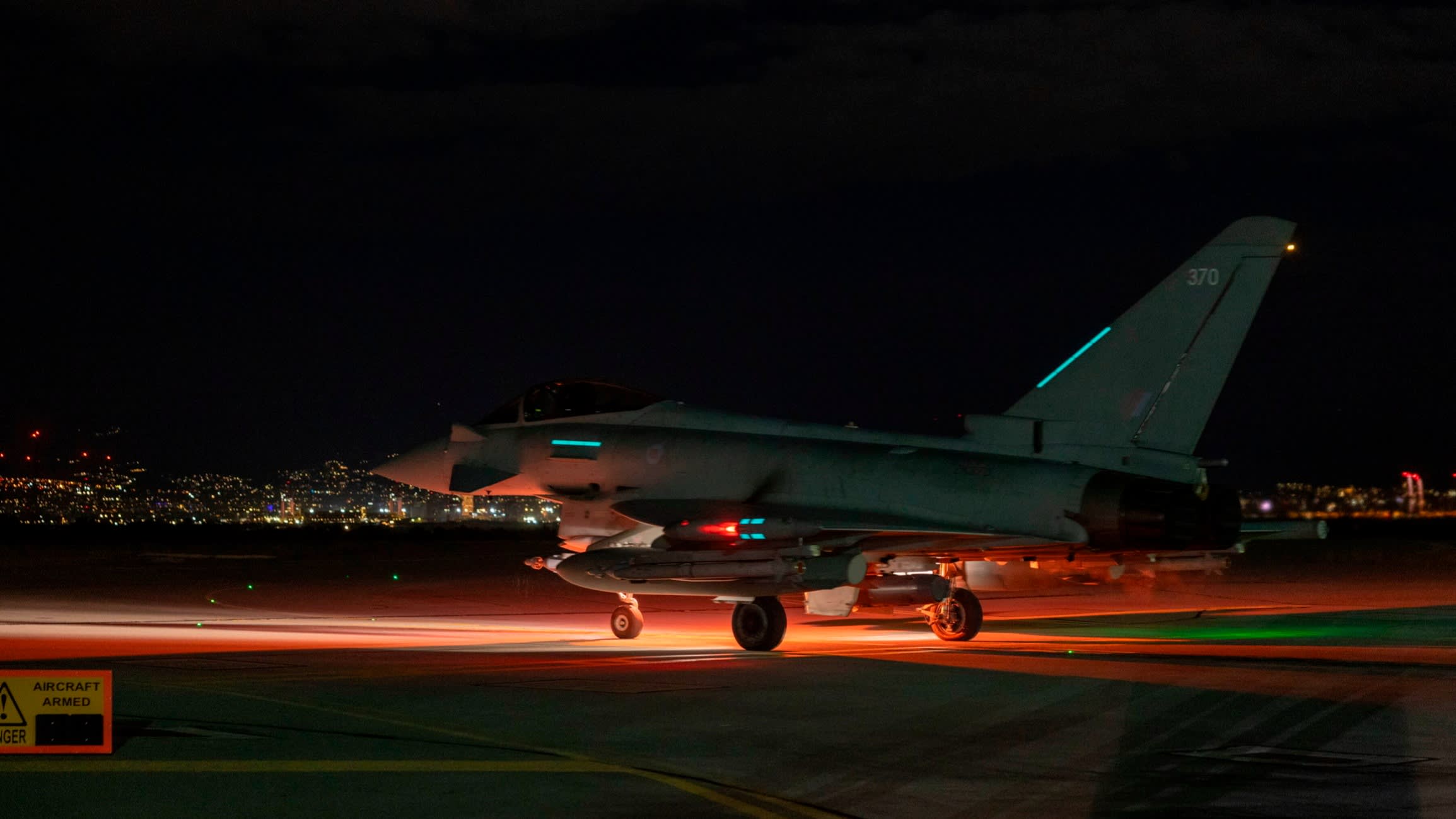
In a coordinated military operation, British and French armed forces have successfully targeted and neutralized a significant Islamic State of Iraq and Syria (ISIS) facility within Syrian territory, marking a crucial development in the ongoing international effort to degrade the terrorist organization. The joint strike, executed with precision and advanced weaponry, underscores the sustained commitment of key Western allies to dismantling Daesh’s operational capabilities and preventing its resurgence in the region.
The operation, details of which are still emerging, focused on an undisclosed location within Syria believed to be a key hub for Daesh’s logistical and operational planning. While specific targets within the facility have not been officially confirmed, intelligence assessments suggest it played a vital role in supporting the group’s residual elements and potentially facilitating future illicit activities. The successful execution of this strike represents a tangible blow against a persistent threat that continues to pose a significant security challenge across multiple continents.
Strategic Context and Rationale for the Strike
The decision to launch this joint military action stems from a protracted period of intelligence gathering and strategic assessment by both the United Kingdom and France. Both nations have been steadfast in their commitment to combating Daesh, contributing significantly to the global coalition against the terrorist group. The rationale behind this latest operation is multi-faceted, aiming to disrupt the enemy’s capacity to regroup, recruit, and launch attacks, thereby safeguarding national security interests and contributing to regional stability.
For years, Daesh, despite the territorial defeat of its so-called caliphate in 2019, has demonstrated a persistent ability to adapt and survive. Its operatives have devolved into a network of clandestine cells, focusing on insurgency, terrorism, and propaganda dissemination. These residual elements, though diminished in scale, remain a potent threat, capable of exploiting ungoverned spaces and regional instability to their advantage. The targeted facility, according to available information, was identified as a critical node within this enduring network.
The United Kingdom, through its involvement in the air campaign and its support for partner forces on the ground, has consistently prioritized degrading Daesh’s infrastructure. Similarly, France, a nation that has endured direct terrorist attacks linked to Daesh, has a vested interest in eradicating the group’s capacity to project terror internationally. This joint operation signifies a synchronized approach, leveraging shared intelligence and complementary military capabilities to achieve a common objective. The use of precision-guided munitions and advanced aerial platforms underscores the technological superiority and strategic coordination that characterize the modern Anglo-French defense relationship.
Operational Execution and Technical Sophistication
While the specific details of the strike remain classified for operational security reasons, it is understood that the operation involved sophisticated planning and execution by the respective air forces. The involvement of advanced fighter jets, potentially armed with standoff precision-guided munitions, would have allowed for the neutralization of the target from a safe distance, minimizing collateral damage and ensuring the safety of allied forces. The integration of intelligence, surveillance, and reconnaissance (ISR) assets would have been crucial in identifying the target, assessing its significance, and monitoring the aftermath of the strike.
The decision to conduct a joint operation highlights the deep level of trust and interoperability between the British and French armed forces. This collaboration is not new; both nations have a long history of working together on complex military endeavors, including NATO operations and counter-terrorism missions. The seamless integration of command and control structures, as well as the harmonization of targeting protocols, are essential for the success of such high-stakes operations. The fact that both nations jointly announced or confirmed the strike suggests a shared understanding of its strategic importance and a unified message to the international community regarding their resolve.
The selection of Syria as the operational theater is also significant. Despite the ongoing civil war and the complex geopolitical landscape, Syria remains a critical area where Daesh continues to operate. The Syrian Democratic Forces (SDF), with international support, have been instrumental in containing Daesh in northeastern Syria. However, the remnants of the group, particularly in desert regions and other areas with limited governance, pose a persistent challenge. Strikes like this aim to prevent these remnants from consolidating their gains or launching external operations.
Implications for the Global Fight Against Terrorism
The successful strike has several critical implications for the broader global fight against terrorism. Firstly, it serves as a strong deterrent to other extremist groups and individuals contemplating similar activities. The message is clear: no terrorist organization will be allowed to establish safe havens or operational bases with impunity. Secondly, it degrades Daesh’s immediate capacity to carry out attacks. By destroying key infrastructure, such as training camps, weapon caches, or command centers, allied forces directly hinder the group’s ability to function effectively.
Furthermore, this operation reinforces the importance of international cooperation in counter-terrorism. In an era of increasingly complex and transnational threats, no single nation can effectively combat terrorism alone. The ability of Britain and France to coordinate and execute such a precise strike underscores the value of multilateral alliances and shared intelligence. This collaborative approach is essential for pooling resources, sharing expertise, and presenting a united front against extremist ideologies.
The strike also highlights the ongoing debate surrounding the long-term strategy for dealing with Daesh and other extremist groups. While military action is crucial for degrading immediate threats, a comprehensive approach also requires addressing the root causes of extremism, including political grievances, economic disparities, and social marginalization. Efforts to rebuild and stabilize regions affected by conflict, alongside robust counter-narrative campaigns, are equally vital in preventing the long-term resurgence of such groups. This strike, therefore, should be viewed as one component of a broader, multi-pronged strategy.
Future Outlook and Enduring Challenges
Looking ahead, the successful Anglo-French strike is likely to be followed by continued efforts to monitor and disrupt Daesh’s activities. The terrorist group is known for its adaptability, and it is probable that it will attempt to reconstitute its networks and operational capabilities. Therefore, sustained vigilance, intelligence sharing, and the willingness to conduct further precision strikes will remain critical.
The challenges facing the international community in combating Daesh are multifaceted and enduring. The ongoing instability in Syria and other conflict zones provides fertile ground for extremist groups to operate. The flow of foreign fighters, the dissemination of propaganda through online channels, and the potential for inspired attacks in Western countries remain significant concerns. Addressing these challenges requires a holistic approach that combines military pressure with diplomatic engagement, economic development, and the promotion of inclusive governance.
Moreover, the resurgence of Daesh or similar groups is not solely a military problem; it is also an ideological one. Countering extremist narratives and promoting tolerance and understanding are crucial long-term strategies. The involvement of civil society organizations, community leaders, and educational institutions is essential in building resilience against extremist ideologies.
In conclusion, the joint British and French strike against a Daesh facility in Syria represents a significant and decisive action in the ongoing global campaign against terrorism. It demonstrates the unwavering commitment of key allies to degrading extremist capabilities and ensuring collective security. While this operation marks a tactical success, the fight against Daesh is far from over. It requires continued vigilance, robust international cooperation, and a comprehensive strategy that addresses both the immediate threats and the underlying factors that contribute to the rise of extremism. The strategic importance of such coordinated actions cannot be overstated in maintaining pressure on these persistent adversaries and safeguarding global stability.




 Aura Kasih
 Safa Marwah

 Lisa Mariana