
 Ridwan Kamil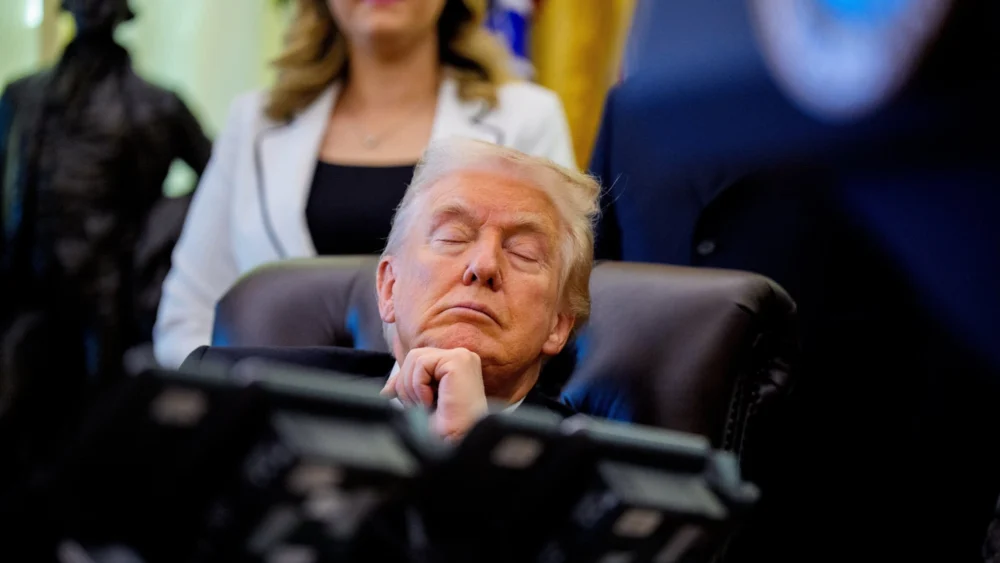
In an era where attention is a coveted commodity, the fundamental human need for sleep and the very nature of information consumption have been ingeniously weaponized, transforming into potent tools within the contemporary political arena. This strategic subversion exploits vulnerabilities inherent in our biology and information ecosystems, enabling actors to shape public discourse, influence decision-making, and ultimately, consolidate power.
The politicisation of sleep, a concept once confined to discussions of personal well-being and productivity, has evolved into a sophisticated mechanism of societal control. Governments and political factions now understand that manipulating the conditions under which citizens sleep can have profound ripple effects on cognitive function, emotional resilience, and susceptibility to influence. This is not merely about advocating for longer working hours or disrupting protest movements through engineered fatigue, though these tactics are certainly employed. Instead, it delves into the more insidious manipulation of sleep patterns through environmental, technological, and psychological means.
Consider, for instance, the pervasive influence of light pollution and the constant barrage of digital stimuli. Urbanisation, driven by political and economic agendas, has dramatically altered natural light cycles, disrupting the circadian rhythms essential for restorative sleep. Furthermore, the deliberate design of digital platforms – with their infinite scroll, notification systems, and algorithmically curated content – is engineered to maximize engagement, often at the expense of users’ sleep. This constant state of hyper-arousal, induced by the very technologies that facilitate political communication and information dissemination, leaves individuals perpetually drained, less critical, and more prone to accepting simplistic narratives.
The political implications of sleep deprivation are far-reaching. A population struggling with chronic fatigue exhibits diminished capacity for complex problem-solving, critical thinking, and nuanced political engagement. This cognitive impairment renders individuals more susceptible to propaganda, emotional appeals, and the erosion of democratic norms. Political actors can exploit this vulnerability by flooding the information space with sensationalist content, divisive rhetoric, and emotionally charged narratives, knowing that a sleep-deprived populace is less equipped to discern truth from falsehood or to resist manipulation. The very act of staying awake to consume political content, often driven by a sense of urgency or fear, becomes a self-defeating cycle, further incapacitating the individual’s ability to make informed decisions.
Parallel to the weaponisation of sleep is the equally pervasive politicisation of content consumption. The digital age has democratized the creation and dissemination of information, but it has also created an environment ripe for strategic manipulation. Political actors have become adept at leveraging algorithms, social media platforms, and the fragmented nature of online discourse to disseminate carefully crafted narratives, sow discord, and shape public perception. This goes beyond traditional propaganda; it involves the sophisticated understanding of how information flows, how it is consumed, and how it can be weaponized to achieve specific political objectives.
The rise of disinformation and misinformation campaigns, often amplified by state-sponsored actors or politically motivated groups, exemplifies this trend. These campaigns are not random occurrences but meticulously planned operations designed to exploit existing societal divisions, erode trust in institutions, and influence electoral outcomes. The speed and reach of digital platforms allow these narratives to spread rapidly, often outpacing efforts to fact-check and debunk them. The constant churn of information, coupled with the human tendency to engage with emotionally resonant or ideologically aligned content, creates fertile ground for these manipulative strategies.
Furthermore, the political weaponisation of content extends to the very curation and presentation of information. Algorithms, designed to maximize user engagement, often create echo chambers and filter bubbles, reinforcing pre-existing beliefs and limiting exposure to diverse perspectives. This fragmentation of the information landscape makes it increasingly difficult for individuals to engage in constructive dialogue or to find common ground. Political actors can exploit this by tailoring content to specific demographic groups, exacerbating existing biases and fostering a sense of "us versus them." The result is a polarized electorate, less capable of reasoned debate and more susceptible to demagoguery.
The interplay between the weaponisation of sleep and content is particularly concerning. As individuals are encouraged, both overtly and subtly, to consume more content, often at the expense of their sleep, their cognitive faculties are systematically degraded. This creates a feedback loop where fatigue impairs critical thinking, making individuals more susceptible to the very content that contributes to their sleep deprivation. The political landscape becomes a battleground not just for ideas, but for the very cognitive capacity of the citizenry.
The implications of this phenomenon for democratic societies are profound. A well-informed and engaged populace is the bedrock of a healthy democracy. When sleep is compromised and content consumption is strategically manipulated, the ability of citizens to participate meaningfully in the political process is severely undermined. Trust in institutions erodes, polarization intensifies, and the capacity for collective action diminishes. This creates an environment where authoritarian tendencies can flourish, as a disoriented and fatigued populace may be less inclined to resist encroachments on their freedoms.
Addressing this complex challenge requires a multi-faceted approach. On the individual level, fostering digital literacy and promoting healthy sleep hygiene are crucial. Educating individuals about the manipulative tactics employed in online content and encouraging mindful consumption of information can empower them to resist undue influence. This includes recognizing the signs of sleep deprivation and its impact on cognitive function, and actively seeking out diverse perspectives.
At a societal level, regulatory frameworks are needed to address the role of technology platforms in the dissemination of harmful content and the design of algorithms that contribute to polarization and addiction. Transparency in algorithmic design, robust fact-checking initiatives, and the promotion of independent journalism are essential to counter the spread of disinformation. Furthermore, policies that promote work-life balance and reduce environmental factors that disrupt sleep are critical for restoring the cognitive capacity of the population.
The weaponisation of sleep and content is not a fleeting trend but a deeply ingrained aspect of contemporary political strategy. Its insidious nature lies in its exploitation of fundamental human needs and vulnerabilities. As political actors continue to refine these tactics, societies must remain vigilant, developing sophisticated countermeasures to safeguard the cognitive integrity of their citizens and the health of their democratic institutions. The future of informed decision-making and genuine civic engagement hinges on our ability to reclaim control over our sleep and to navigate the digital information landscape with critical awareness and resilience. The ongoing struggle to understand and counter these forces will undoubtedly shape the trajectory of political discourse and societal well-being for years to come.


 Aura Kasih
 Lisa Mariana

 Safa Marwah