
 Ridwan Kamil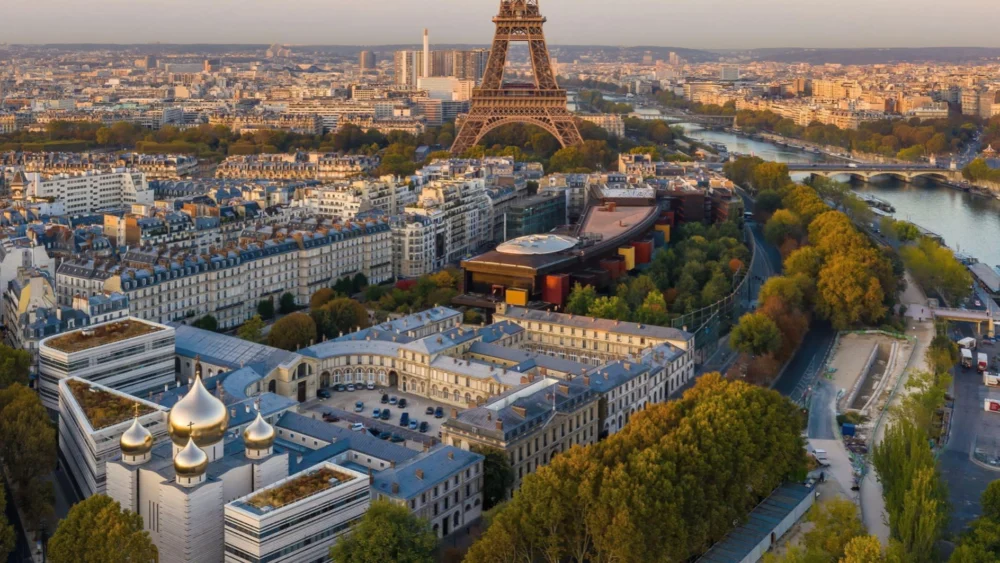
A notable surge in transactions within Paris’s high-end residential property sector has been observed, largely attributed to the substantial investment activities of the Arnault family, injecting much-needed dynamism into an otherwise subdued market. This influx of capital and strategic acquisitions by one of the world’s most prominent luxury conglomerates is not merely a transactional event; it signifies a broader trend of confidence in the enduring allure of Parisian real estate and a potential recalibration of market values.
The LVMH Moët Hennessy Louis Vuitton empire, helmed by Bernard Arnault, has been strategically expanding its footprint in the Parisian property landscape. While specific details of individual transactions remain private, industry observers and real estate analysts have noted a discernible pattern of acquisitions by entities closely associated with the Arnault family. These purchases are concentrated in the most prestigious arrondissements of Paris, areas renowned for their historical significance, architectural grandeur, and exclusive amenities. The timing of this increased activity is particularly noteworthy, occurring at a juncture when the broader luxury real estate market has experienced a period of relative stagnation, marked by cautious buyer sentiment and a slower pace of sales.
The Arnault family’s involvement transcends simple asset accumulation; it represents a strategic diversification and a consolidation of influence within a sector that is intrinsically linked to the luxury goods industry they have so expertly cultivated. For decades, Paris has served as the undisputed global capital of luxury, from haute couture and fine jewelry to haute cuisine and art. Owning prime real estate within this iconic city is not only a sound financial investment but also a statement of prestige and a crucial element in the holistic luxury ecosystem. By acquiring prime properties, the Arnaults are not only securing valuable assets but also reinforcing their brand’s association with the very essence of Parisian elegance and exclusivity.
The impact of these high-profile acquisitions on the broader Parisian luxury property market is multifaceted. Firstly, it injects significant liquidity into a market that may have been experiencing a slowdown due to global economic uncertainties or evolving buyer preferences. The presence of a major, discerning buyer like the Arnault family can act as a powerful signal to other potential investors, instilling confidence and encouraging a more active market. When a conglomerate with the financial acumen and long-term vision of LVMH makes substantial investments, it is often perceived as a validation of the market’s underlying strength and future potential.
Secondly, the Arnault acquisitions are likely to influence pricing dynamics. While the ultra-luxury segment of the market is often insulated from broader economic fluctuations, significant buying pressure from a single, dominant entity can lead to upward pressure on prices, particularly for unique or historically significant properties. This could set new benchmarks for valuations and encourage sellers to hold out for premium offers. Conversely, it might also inspire a renewed interest from other high-net-worth individuals and institutional investors who see the Arnault family’s commitment as an endorsement of the market’s long-term value proposition.
Furthermore, the strategic nature of these acquisitions warrants closer examination. The Arnault family’s portfolio already includes a significant presence in the hospitality sector, with luxury hotels dotted across Paris and other global capitals. The acquisition of residential properties in prime locations could potentially complement their existing hospitality and retail ventures. For instance, these properties could serve as exclusive residences for ultra-high-net-worth clients, private showrooms for LVMH brands, or as strategic assets for future developments that integrate residential, hospitality, and retail components, further solidifying their control over the luxury experience.
The appeal of Parisian real estate to global elites remains exceptionally strong, driven by a confluence of factors. The city’s unparalleled cultural heritage, its reputation for artistic excellence, its sophisticated lifestyle, and its status as a global fashion and luxury hub continue to draw international buyers. The inherent scarcity of prime real estate in sought-after Parisian neighborhoods, combined with stringent planning regulations that limit new construction, further enhances the value and desirability of existing properties. This scarcity, coupled with sustained demand from a global clientele seeking tangible assets in a stable and culturally rich environment, forms the bedrock of the Parisian luxury market’s resilience.
However, the market has not been without its challenges. Geopolitical uncertainties, fluctuating interest rates, and evolving global economic conditions have contributed to a more cautious approach from some buyers in recent times. The ultra-luxury segment, while more insulated, is not entirely immune to these broader economic winds. This context makes the Arnault family’s aggressive acquisition strategy all the more significant, suggesting a belief in the long-term stability and growth potential of Parisian prime real estate, perhaps even at a time when others are adopting a more wait-and-see approach.
The implications of this sustained buying spree extend beyond mere market activity. It signals a potential consolidation of influence within the luxury real estate sector, with dominant players like the Arnault family shaping the landscape and potentially dictating future trends. Their acquisitions could lead to a re-evaluation of what constitutes "prime" real estate and influence development strategies for future luxury projects. Moreover, it underscores the deep interconnectedness between the luxury goods industry and the high-end real estate market, where tangible assets in iconic locations serve as crucial extensions of brand identity and customer experience.
Looking ahead, the Arnault family’s continued investment in Parisian luxury real estate is likely to have a lasting impact. It could catalyze further interest from other major luxury conglomerates and ultra-high-net-worth individuals, potentially ushering in a new era of investment and development in the city’s most coveted districts. The focus may shift towards the preservation and enhancement of historical properties, as well as the development of ultra-exclusive, bespoke residences that cater to the discerning tastes of a global elite.
The Arnault family’s strategic moves are a testament to their enduring belief in the intrinsic value and timeless appeal of Paris. Their actions are not just financial transactions but rather strategic investments that reinforce the city’s position as a global epicenter of luxury and a premier destination for discerning property investors. As the market absorbs these significant acquisitions, it will be crucial to observe how these transactions influence broader market trends, pricing structures, and the future trajectory of Paris’s ultra-luxury residential sector. The current phase of heightened activity, driven by one of the world’s most formidable luxury titans, suggests a robust and dynamic future for Parisian prime real estate, solidifying its status as a truly irreplaceable asset class.

 Safa Marwah
 Aura Kasih
 Lisa Mariana
 Ayu Aulia