Lisa Mariana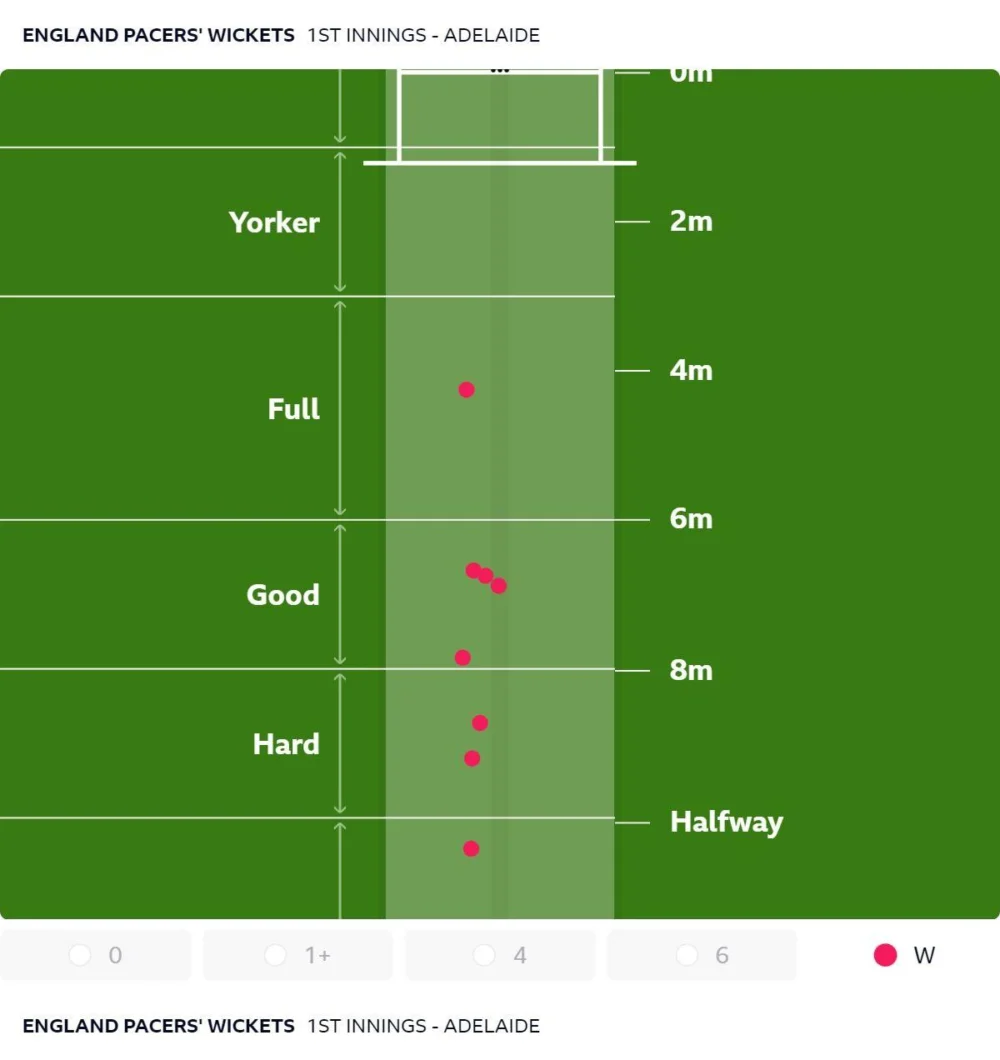
A pivotal shift in tactical execution by England’s pace battery profoundly impacted the fourth Ashes Test’s opening day, demonstrating a renewed strategic acumen that dismantled Australia’s formidable batting lineup, with Josh Tongue’s exceptional five-wicket haul underscoring the success of their adjusted approach.
The hallowed turf of the Melbourne Cricket Ground, on the ceremonial Boxing Day Test, bore witness to a compelling narrative reversal. Following a series of disappointing performances characterized by a persistent inability to exert sustained pressure, the English fast bowlers unveiled a meticulously recalibrated strategy. This tactical pivot, focused on delivering the ball significantly fuller, proved instrumental in orchestrating a dramatic Australian collapse. The hosts, having already secured the coveted Ashes urn, found themselves unexpectedly vulnerable, capitulating for a modest total that belied their earlier dominance in the series. This performance was not merely a statistical anomaly but a profound statement of intent and a testament to the efficacy of disciplined, strategic bowling, offering a glimmer of resurgence for a side grappling with the psychological aftermath of an early series defeat.
The lead-up to the Melbourne Test was fraught with introspection for the English camp. Trailing 3-0 in the five-match series, the psychological burden of having already relinquished the Ashes was palpable. Previous encounters had consistently exposed a fundamental flaw in England’s bowling strategy: an average length that often afforded Australian batsmen undue comfort, allowing them to play predominantly off the back foot with minimal risk. Statistical analysis from the first three Tests revealed an average delivery length hovering around 7.85 meters, a zone that, while capable of generating pace and bounce, frequently bypassed the critical area where genuine wicket-taking opportunities materialize. This pattern of bowling too short contributed significantly to Australia’s commanding position, enabling their top order to accumulate runs with relative ease and build formidable totals.
The journey from Adelaide, where the urn was surrendered, to Melbourne, was undoubtedly a period of intense strategic deliberation for the English coaching staff and players. The consensus that emerged from this period of reflection, balancing pragmatic adaptation with an element of desperate innovation, coalesced around a singular, decisive adjustment: a commitment to bowling a more attacking, fuller length. This strategic imperative aimed to challenge the Australian batsmen on the front foot, compelling them to engage with the delivery earlier and closer to their stumps. The execution of this revised mandate on Day One at the MCG was immediate and demonstrably effective. England’s average bowling length dramatically shortened to 6.89 meters, a statistically significant alteration that fundamentally shifted the dynamics of the contest. This seemingly subtle adjustment, a mere meter on average, translated into a profound difference in outcome, as the Australian innings crumbled under the newfound pressure.
The impact of these "small margins," as they were aptly described, was profound. By consistently pitching the ball in fuller areas, England’s bowlers began to probe the vulnerable zone between a batsman’s pad and bat. This strategy forces batsmen to commit to a shot, increasing the likelihood of an error. Edges, previously elusive, began to be found with greater regularity, offering catching opportunities to the slip cordon. The ball, no longer sailing harmlessly past the outside edge, now threatened the stumps directly, raising the prospect of bowled or leg-before-wicket dismissals. This transformation from hopeful deliveries to purposeful attacks infused the English bowling unit with a palpable sense of intent and aggression, a stark contrast to the often-passive approach observed in earlier matches.
Expert commentary highlighted the simplicity yet efficacy of the adjustment. As former England spinner Phil Tufnell observed, the strategy was "not rocket science," but rather a fundamental adherence to effective Test match bowling principles. The pitch conditions at the MCG, while not offering extravagant seam movement, did possess a subtle "hold" that favored bowlers who pitched the ball up, allowing for slight deviations off the surface. This insight likely influenced England’s decision to bowl first after winning the toss, a choice that proved prescient given the subsequent Australian collapse. The CricViz data further corroborated the strategic shift, noting that England’s average length of 6.89 meters represented their second-fullest bowling performance in any Test innings since Brendon McCullum assumed the coaching role. This statistic underscores the deliberate nature of the change and its significant departure from recent patterns.

While the initial breakthroughs for Australia involved a degree of fortune – Travis Head dragging a delivery from Gus Atkinson onto his stumps and Jake Weatherald being dismissed down the leg side by Josh Tongue – these moments were quickly overshadowed by Tongue’s burgeoning mastery. His subsequent performance transcended mere luck, showcasing a remarkable ability to generate wicket-taking opportunities through skill and precision. Tongue’s impact was particularly felt against Australia’s formidable top order. Marnus Labuschagne, a cornerstone of Australia’s batting, succumbed to a full delivery angled into the stumps, edging to slip. The dismissal of Steve Smith, widely regarded as one of the finest batsmen of his generation, was even more telling. Tongue delivered a ball that nipped back subtly, breaching Smith’s defense and bowling him through the gate – a classic dismissal that speaks volumes about the bowler’s control and the effectiveness of the fuller length.
Tongue’s devastating spell continued as he dispatched Michael Neser and Scott Boland in consecutive deliveries, completing his five-wicket haul. Neser was bowled by a sharp nip-backer, while Boland was caught at second slip, further illustrating the variety and potency of Tongue’s attack. CricViz data meticulously detailed Tongue’s exceptional performance, revealing that he claimed five wickets for just 21 runs from the 24 deliveries he pitched within the "full" length category (defined as 3-6 meters from the stumps). This statistical breakdown not only highlights the efficiency of his spell but also places it in historical context. In the entire ball-tracking era, only one other English seamer before Tongue had managed to secure five wickets from a full length in a single Test innings – a memorable feat achieved by Stuart Broad at Trent Bridge in 2015. This comparison elevates Tongue’s performance to a rare and distinguished echelon, solidifying its significance.
An interesting aspect of Tongue’s performance was a slight reduction in his average pace, dropping from 86.7 mph in Adelaide to 85.3 mph in Melbourne. This subtle shift suggests a conscious trade-off, prioritizing control and accuracy over raw speed. The analogy of the ‘Redditch Rhythmist’ rather than the ‘Redditch Rocket’ aptly captures this strategic evolution, indicating a bowler who is now more focused on hitting consistent lines and lengths rather than simply maximizing velocity. This nuanced approach likely contributed to his ability to repeatedly hit the desired fuller lengths, generating the subtle movement and seam that proved so disruptive to the Australian batsmen.
The collective impact of England’s sustained pressure was undeniable. As Tufnell noted, "Australia couldn’t get away," a stark contrast to previous matches where they often dominated proceedings. The atmospheric conditions, with a few overhead clouds, may have offered marginal assistance, but the overarching factor was the relentless accuracy and strategic placement of the English bowlers. Tongue, in particular, was singled out for praise, his performance hailed as "excellent bowling" and unequivocally "the pick" of the attack.
The implications of this performance extend beyond the immediate Test match. For England, it represents a crucial validation of their strategic adjustments and offers a potential blueprint for future successes, both home and away. The ability to adapt and execute a revised game plan under immense pressure speaks volumes about the team’s resilience and capacity for learning. While the Ashes urn may be lost, such a commanding performance against the dominant Australian side can instill vital confidence and foster a sense of purpose for the remainder of the series and for future international commitments. The emergence of Josh Tongue as a potent wicket-taking threat, particularly with his ability to exploit fuller lengths, adds a valuable dimension to England’s pace attack. His performance signals a potential shift in the pecking order and offers a promising prospect for the future.
For Australia, the collapse serves as a stark reminder of their vulnerabilities, even after securing the series. Their batting lineup, previously appearing impervious, was exposed by disciplined, attacking bowling. This will undoubtedly prompt introspection within their camp regarding their approach to facing fuller lengths and their preparedness for sustained pressure. The strategic chess match between batting and bowling coaches will intensify, with both sides now armed with fresh insights into each other’s strengths and weaknesses.
In conclusion, Day One at the MCG transcended a mere session of cricket; it was a strategic masterclass by England’s bowlers, underpinned by a critical adjustment in length. The transition from a passive, short-of-a-length approach to a proactive, fuller delivery strategy fundamentally altered the contest’s trajectory. Josh Tongue’s exceptional five-wicket haul epitomized the success of this recalibration, showcasing both individual brilliance and the collective efficacy of a unified tactical vision. While the Ashes series itself may have been decided, this performance injected a vital dose of competitive spirit and strategic intelligence into the series, offering England a moment of redemption and a clear path forward for future endeavors in Test cricket. The lesson learned – that bowling in the areas where wickets truly "live" – proved to be an invaluable one, potentially reshaping England’s approach to pace bowling for seasons to come.




 Ridwan Kamil
 Safa Marwah
 Aura Kasih
 Ayu Aulia