Ridwan Kamil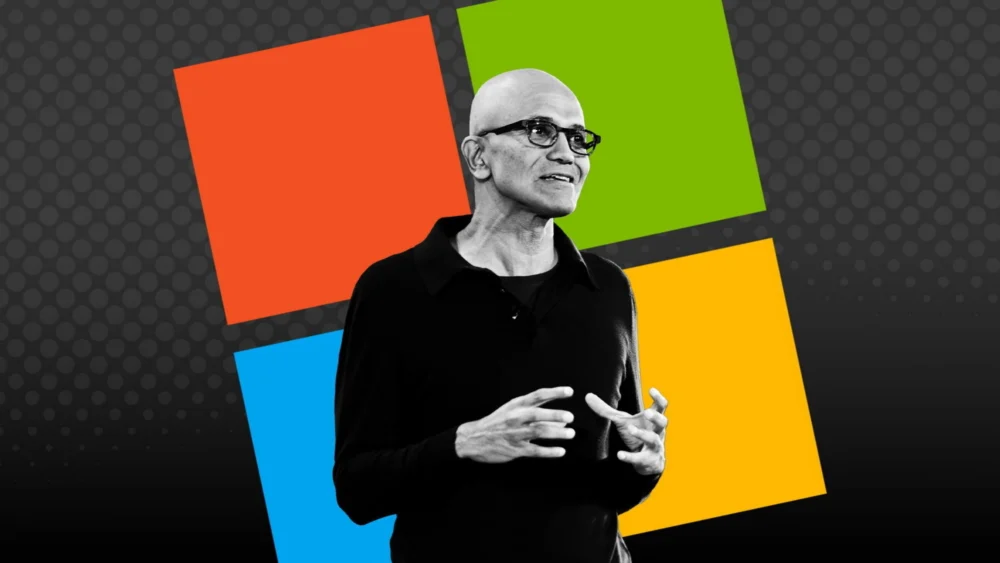
In a strategic maneuver signaling a profound shift in its artificial intelligence ambitions, Microsoft CEO Satya Nadella has initiated a significant overhaul of the company’s leadership ranks, underscoring a deliberate effort to cultivate an AI strategy that transcends its foundational partnership with OpenAI and diversifies its content generation capabilities. This comprehensive restructuring of key executive roles is not merely a personnel shuffle but a clear declaration of Microsoft’s intent to forge its own path in the rapidly evolving AI landscape, emphasizing proprietary development and a broader ecosystem of innovation.
For years, Microsoft’s embrace of OpenAI, marked by substantial investments and deep integration of its models into Microsoft products, has been the cornerstone of its AI offensive. This symbiotic relationship propelled the tech giant to the forefront of generative AI, enabling it to offer cutting-edge capabilities through services like Copilot across its vast software suite, from Windows to Office. However, the inherent dependencies and the strategic imperative to maintain a competitive edge in a field characterized by relentless innovation have evidently prompted Nadella to recalibrate Microsoft’s approach. The leadership changes appear to be designed to empower internal teams, foster greater autonomy in AI research and development, and unlock new avenues for content creation and application that are not solely dictated by external partnerships.
The implications of this leadership recalibration are far-reaching, impacting not only Microsoft’s internal operations and product development cycles but also the broader dynamics of the AI industry. By diversifying its AI strategy and reducing its reliance on a single, albeit powerful, external partner, Microsoft is positioning itself for greater resilience and adaptability. This move suggests a strategic maturation, where the company aims to leverage its immense resources and talent pool to build a more robust and multifaceted AI infrastructure, capable of addressing a wider spectrum of technological challenges and market opportunities.
A Strategic Pivot: Diversifying AI Capabilities and Content Creation
The genesis of this leadership transformation can be traced to the evolving nature of artificial intelligence itself. While OpenAI has been instrumental in pushing the boundaries of large language models (LLMs) and generative AI, the future of AI is increasingly recognized as being multi-modal, deeply integrated into specific industry verticals, and tailored to diverse user needs. Microsoft’s strategic pivot is indicative of this understanding, aiming to build capabilities that extend beyond core LLM development to encompass specialized AI applications, advanced data analytics, and novel forms of content generation.
This shift necessitates a leadership structure that can foster innovation across a wider front. The reshuffling of executive positions likely involves empowering leaders with distinct mandates to drive progress in areas such as:
- Proprietary AI Model Development: While collaboration with OpenAI may continue, there is a clear emphasis on strengthening Microsoft’s internal AI research and development capabilities. This includes investing in foundational model research, exploring alternative AI architectures, and developing specialized models tailored to specific Microsoft products and enterprise solutions. The goal is to build a diverse portfolio of AI engines, each optimized for distinct tasks and performance metrics, rather than relying on a single, generalized model.
- AI for Enterprise Solutions: The corporate world represents a massive and lucrative market for AI. Nadella’s strategy likely involves appointing leaders who can architect and deploy AI-driven solutions for businesses, focusing on areas like data management, automation, cybersecurity, and personalized customer experiences. This requires a deep understanding of industry-specific challenges and the ability to translate cutting-edge AI research into practical, scalable enterprise applications.
- Generative AI Beyond Text: The current AI discourse is heavily focused on text-based generation. However, the future of content creation is inherently multi-modal, encompassing images, video, audio, and even interactive experiences. Microsoft’s leadership overhaul is expected to place a stronger emphasis on developing and integrating AI capabilities for generating and manipulating various forms of media, opening up new frontiers in digital content creation and consumption.
- Ethical AI and Responsible Innovation: As AI technologies become more pervasive, concerns around bias, fairness, transparency, and accountability are escalating. Microsoft’s leadership changes are likely to include appointments that prioritize the development and implementation of robust ethical AI frameworks, ensuring that the company’s AI advancements are aligned with societal values and regulatory requirements. This proactive approach is crucial for building trust and ensuring the long-term sustainability of AI adoption.
The OpenAI Dynamic: A Partnership Evolving, Not Ending
It is crucial to contextualize these leadership changes within the ongoing relationship between Microsoft and OpenAI. The substantial investment and deep integration of OpenAI’s technologies into Microsoft’s cloud infrastructure and product ecosystem are unlikely to be abandoned. Instead, the relationship is likely to evolve from one of primary reliance to one of strategic collaboration among multiple AI development avenues.
Microsoft’s role as a major cloud provider for OpenAI’s training and inference needs will continue to be a significant revenue stream and a source of invaluable operational data. However, the company’s internal AI development efforts will provide it with greater flexibility, control, and the ability to differentiate its offerings in the market. This dual approach allows Microsoft to leverage the cutting edge of external innovation while simultaneously building its own unique AI intellectual property and competitive advantages.
The leadership overhaul may also be a response to the dynamic nature of the AI partnership itself. As OpenAI matures and potentially pursues its own distinct commercial strategies, Microsoft needs to ensure it has robust internal capabilities to maintain its market leadership and offer a comprehensive suite of AI-powered services to its vast customer base. This strategic independence is paramount in a rapidly competitive landscape where technological advancements can quickly redefine market leadership.
Broader Implications for the AI Ecosystem
The ramifications of Microsoft’s strategic recalibration extend beyond its own organizational structure, influencing the broader AI ecosystem:
- Increased Competition and Innovation: By investing more heavily in its own AI development, Microsoft is likely to intensify competition within the AI research and development space. This will spur further innovation, potentially leading to breakthroughs in areas that have been less explored or optimized by current market leaders.
- Democratization of Advanced AI Tools: As Microsoft diversifies its AI offerings and develops more specialized tools, it could contribute to the democratization of advanced AI capabilities. This could empower a wider range of businesses and individuals to leverage AI for their specific needs, fostering broader economic growth and digital transformation.
- Shifting Partnership Models: The industry may witness a shift in how large technology companies engage with AI research labs. Instead of exclusive or deeply integrated partnerships, we might see more diversified collaboration models, where companies maintain robust internal AI teams while selectively partnering with external entities for specific expertise or breakthrough technologies.
- Focus on AI Governance and Ethics: As major players like Microsoft emphasize responsible AI development alongside technological advancement, there will be an increased focus on establishing industry-wide standards for AI governance, ethics, and safety. This could lead to more comprehensive regulatory frameworks and a greater emphasis on building AI systems that are fair, transparent, and beneficial to society.
The Path Forward: A Multi-faceted AI Future
Satya Nadella’s leadership overhaul at Microsoft signifies a pivotal moment in the company’s AI journey. It underscores a strategic vision that acknowledges the limitations of a singular partnership and embraces the imperative for diversified, proprietary AI development and content generation capabilities. This move is not about abandoning OpenAI but about strategically expanding Microsoft’s AI horizons, solidifying its position as a leader in the rapidly evolving technological landscape, and charting a course for a future where artificial intelligence is deeply embedded, broadly applicable, and ethically deployed across all facets of the digital world. The coming years will reveal the full impact of this transformative leadership strategy as Microsoft continues to shape the future of AI.



 Safa Marwah
 Aura Kasih
 Ayu Aulia