Ridwan Kamil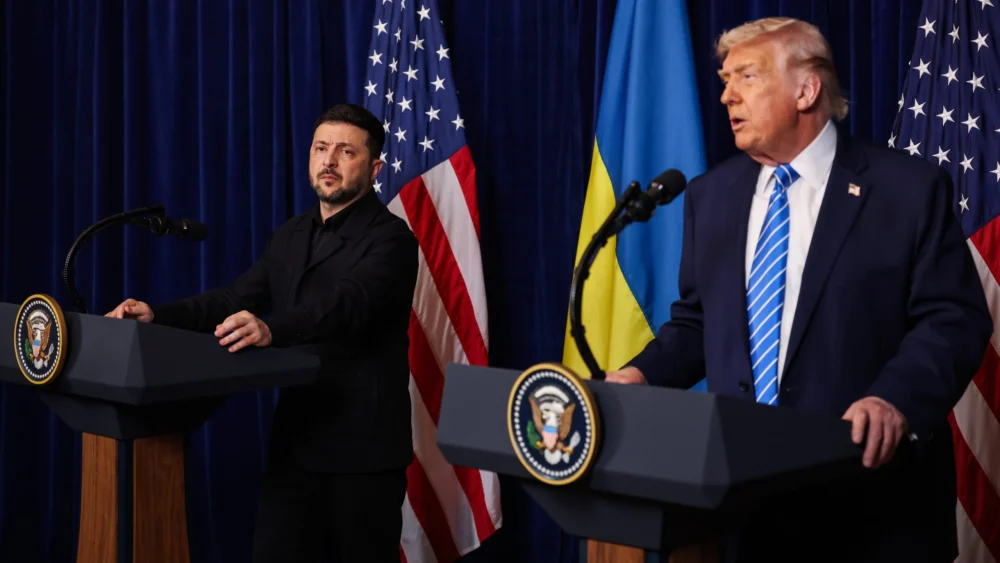
Recent high-level discussions between former U.S. President Donald Trump and Ukrainian President Volodymyr Zelenskyy have concluded without yielding a significant breakthrough on a pathway toward peace in Ukraine, underscoring the complex and deeply entrenched nature of the ongoing conflict. While both leaders engaged in dialogue, the anticipated movement towards a resolution remains elusive, highlighting the profound geopolitical challenges and divergent perspectives that continue to impede substantive progress.
The diplomatic engagement, shrouded in a degree of speculation given the former president’s unconventional approach to foreign policy and President Zelenskyy’s persistent pursuit of international support, aimed to explore potential avenues for de-escalation and a cessation of hostilities. However, the absence of a tangible agreement or a jointly articulated roadmap signals the formidable obstacles that lie ahead. For President Zelenskyy, the primary objective remains the restoration of Ukraine’s territorial integrity and sovereignty, a stance that necessitates the full withdrawal of Russian forces from occupied territories. This position, while unwavering, presents a significant challenge to any proposed peace deal that does not unequivocally address these core concerns.
Conversely, Donald Trump, known for his transactional approach to diplomacy and a stated desire to forge quick resolutions, has previously expressed a willingness to engage directly with Russian President Vladimir Putin to find an end to the war. His approach often prioritizes immediate outcomes over protracted negotiations that adhere to traditional diplomatic norms. This divergence in strategic priorities and desired outcomes between the Ukrainian leadership and the former U.S. president creates a complex dynamic, making a unified front on a peace accord difficult to achieve. The implications of this lack of immediate progress extend beyond the immediate diplomatic theater, impacting global security dynamics, economic stability, and the ongoing humanitarian crisis in Ukraine.
Background and Context of the Discussions
The discussions between Trump and Zelenskyy occurred against a backdrop of escalating geopolitical tensions and a protracted war that has inflicted immense human suffering and widespread destruction across Ukraine. For over two years, the conflict has reshaped the European security landscape, prompting significant international intervention and condemnation of Russia’s actions. Ukraine has consistently appealed to its international partners, particularly the United States, for sustained military, financial, and humanitarian assistance to defend its sovereignty and repel the invasion.
Donald Trump’s potential role in future U.S. foreign policy has been a subject of intense speculation. His past pronouncements on international relations, including his critical stance on certain alliances and his preference for bilateral deals, have generated both anticipation and concern among allies and adversaries alike. His interactions with President Zelenskyy, therefore, carried significant weight, representing a potential inflection point in the diplomatic efforts to end the war. The Ukrainian president, in turn, has demonstrated remarkable resilience and diplomatic acumen, navigating a complex international environment to secure crucial support for his nation. His meetings with global leaders, including numerous engagements with U.S. administrations, have been central to maintaining the international coalition supporting Ukraine.
The specific details of the Trump-Zelenskyy discussions remain largely undisclosed, a common characteristic of diplomatic outreach, particularly when initiated by figures operating outside of formal governmental structures. However, the absence of any public announcement of a breakthrough suggests that fundamental disagreements or a lack of mutually agreeable terms persisted. For a peace deal to be viable, it would need to address critical issues such as the cessation of hostilities, the withdrawal of Russian forces, the future of occupied territories, and security guarantees for Ukraine. The differing perspectives on these core elements are widely understood to be a significant impediment to any swift resolution.
Analysis of the Diplomatic Standoff
The failure to achieve a breakthrough in these talks can be attributed to several interconnected factors. Firstly, the fundamental objectives of the primary belligerents, Russia and Ukraine, remain diametrically opposed. Ukraine’s position, backed by international law and the principle of territorial integrity, insists on the complete restoration of its pre-2014 borders. This includes Crimea and the Donbas region. Russia, on the other hand, has annexed Crimea and claims sovereignty over other Ukrainian territories it occupies, making any concession on these fronts highly unlikely without significant leverage or a complete shift in its strategic calculus.
Secondly, Donald Trump’s past approach to conflict resolution has often been characterized by a focus on immediate cessation of hostilities, sometimes at the perceived expense of long-term stability or adherence to established international norms. While this can lead to swift agreements, it also carries the risk of creating fragile peace deals that do not address the root causes of the conflict or provide adequate security guarantees for all parties. President Zelenskyy, leading a nation under siege, is understandably focused on securing a lasting peace that ensures Ukraine’s survival and sovereignty, a goal that may require more comprehensive and sustained international commitment than a quick deal might provide.
Thirdly, the involvement of former leaders in diplomatic initiatives, while potentially offering alternative pathways, can also introduce complexities. Their actions may not always align with the established foreign policy of their respective nations or may lack the formal authority to negotiate binding agreements. This can create ambiguity and uncertainty for the parties involved, particularly for a nation like Ukraine that relies heavily on consistent and official international backing. The dynamics of such discussions are further complicated by the global geopolitical landscape, where other major powers have vested interests and differing perspectives on the conflict’s resolution.
Implications for Global Security and Diplomacy
The absence of a peace breakthrough has profound implications for regional and global security. The protracted nature of the conflict risks further destabilization in Eastern Europe, potentially leading to increased refugee flows, economic disruption, and the exacerbation of existing humanitarian crises. For NATO and other Western alliances, the continued conflict necessitates sustained military and financial support for Ukraine, as well as ongoing efforts to deter further Russian aggression. This sustained commitment places considerable economic and political strain on allied nations.
Economically, the war has had a significant impact on global energy and food markets, contributing to inflation and economic uncertainty worldwide. A prolonged conflict will continue to disrupt supply chains and hinder global economic recovery. The diplomatic impasse also underscores the challenges of achieving multilateral consensus on major international security issues in an increasingly multipolar world. The inability of key international actors to forge a unified path toward de-escalation highlights the fragmentation of global governance and the difficulties in addressing complex geopolitical crises effectively.
Furthermore, the situation in Ukraine serves as a critical test case for the effectiveness of international law and the principle of national sovereignty. A failure to resolve the conflict in a manner that upholds these principles could embolden revisionist powers and undermine the established international order, potentially leading to a more volatile and unpredictable global environment. The ongoing engagement by various international actors, including former leaders, highlights the diverse strategies being employed to address the crisis, but also the significant challenges in coordinating these efforts towards a singular, effective resolution.
Future Outlook and Potential Pathways
The path to peace in Ukraine remains arduous, and the recent diplomatic exchanges, while potentially opening channels for communication, have not provided an immediate solution. The future outlook hinges on several critical factors. Firstly, the military situation on the ground will continue to influence diplomatic leverage. Any significant shifts in battlefield momentum could alter the negotiating positions of the parties involved.
Secondly, the sustained commitment of international partners to Ukraine’s defense and economic stability will remain crucial. Continued support can bolster Ukraine’s resilience and strengthen its negotiating position. Conversely, any wavering in this support could weaken Ukraine’s ability to resist further aggression and negotiate from a position of strength.
Thirdly, the internal dynamics within Russia will also play a significant role. Shifts in political leadership, public opinion, or economic conditions within Russia could potentially influence its strategic calculus regarding the conflict.
While direct negotiations between former leaders like Trump and incumbent heads of state like Zelenskyy can be valuable for exploring alternative perspectives, a sustainable peace agreement will likely require the engagement of all key stakeholders, including the primary belligerents, and a broader international coalition committed to a comprehensive and lasting resolution. This resolution must address not only the immediate cessation of hostilities but also the underlying security concerns and the long-term stability of the region. The current diplomatic landscape suggests that while dialogue continues, the prospect of an immediate breakthrough on a peace deal remains distant, underscoring the enduring complexities of this critical geopolitical challenge. The world watches, awaiting a convergence of interests and a willingness to compromise that could finally pave the way for enduring peace in Ukraine.


 Safa Marwah
 Aura Kasih
 Lisa Mariana