Lisa Mariana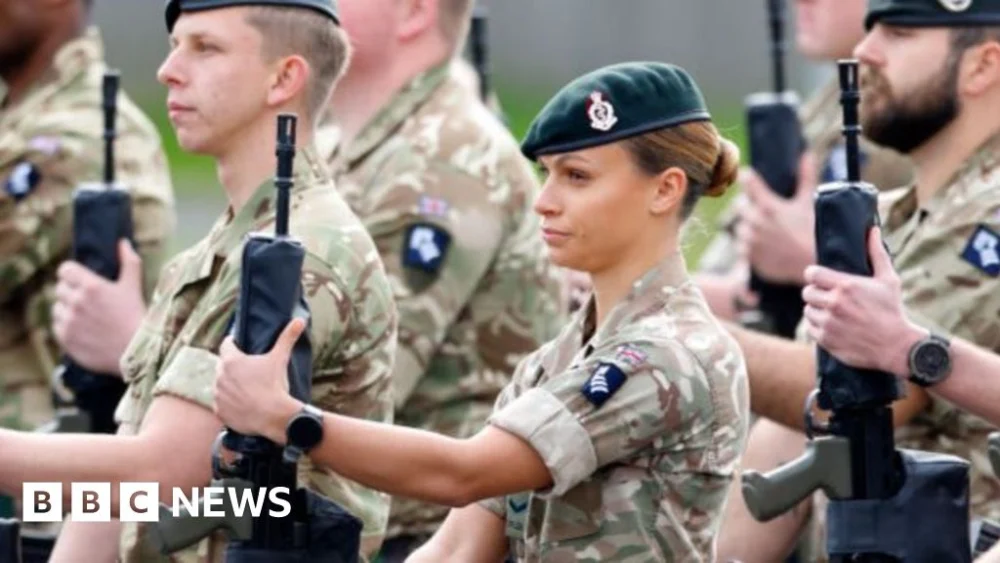
The United Kingdom government has unveiled a groundbreaking initiative, a military "gap year" program designed to offer young citizens an immersive introduction to the armed forces, addressing persistent recruitment and retention challenges within the Army, Royal Navy, and Royal Air Force. This voluntary scheme aims to provide individuals under the age of 25 with invaluable skills and experience without the commitment of long-term service, fostering a deeper connection between the civilian population and the nation’s defence apparatus.
This strategic pivot comes amidst a period of heightened global instability and evolving security paradigms, compelling national defence establishments to reassess their human capital strategies. The new program, conceptualized as a vital component of the UK’s broader "whole-of-society" approach to defence and deterrence, seeks to cultivate a generation equipped with leadership, teamwork, and problem-solving capabilities, whether they ultimately pursue a military career or transition into civilian life. While initial enrolment figures are modest, targeting 150 recruits in its inaugural phase this spring, plans project a significant expansion to 1,000 participants annually, signaling a long-term commitment to this innovative recruitment model.
The "gap year" initiative distinguishes itself from traditional military entry points by emphasizing experiential learning and skill development over immediate operational deployment. Participants will not be assigned to active combat zones, allowing for a focus on foundational training and personal growth. While the precise curriculum remains under development, preliminary outlines suggest a structured yet flexible approach tailored to each service branch. For Army recruits, a two-year placement is anticipated, commencing with an intensive 13-week basic training period. The Royal Navy program is envisioned as a one-year commitment, providing comprehensive general training for aspiring sailors. Details regarding the Royal Air Force component are less defined but are expected to align with the overarching principles of skill acquisition and service exposure.
This new scheme represents a significant departure from previous, more limited military engagement programs. Historically, the Army offered a small number of "gap year" placements, typically around 30 annually, primarily targeting university students considering officer training. These programs saw minimal uptake, with fewer than ten individuals enrolling in the last academic year. The expanded scope of the new initiative, making it accessible to a much broader demographic of school and college leavers, reflects an understanding that fostering a wider pool of defence-aware citizens is paramount. The Ministry of Defence (MoD) articulates a clear vision: to impart "incredible skills and training" that will serve participants "for life," irrespective of their chosen career path. This dual objective – addressing military recruitment while simultaneously enhancing civilian capabilities – underscores the program’s strategic intent.
The genesis of this "gap year" concept can be traced to recommendations from the government’s strategic defence review conducted in June, drawing direct inspiration from a highly successful model implemented by the Australian Defence Force (ADF). The ADF’s program, operational for over a decade, offers young Australians aged 17 to 24 an opportunity to "get a feel for military life while enjoying unique experiences you can’t find anywhere else." Its efficacy is evidenced by its consistent enrolment figures – 664 individuals participated in 2023 – and, critically, a conversion rate exceeding 50% into permanent military roles. This precedent provides a compelling argument for the UK’s adoption of a similar framework, offering a pathway for individuals to explore military service without the perceived permanence of a full-time commitment.
Beyond direct recruitment, the scheme is intrinsically linked to broader national security imperatives. Defence Secretary John Healey has consistently articulated that the UK confronts a "new era" of threats, demanding a comprehensive, "whole-of-society" response. This includes explicit references to preventing potential confrontations with adversaries like Russia. In this context, the military gap year is not merely a recruitment tool but a component of a larger strategy to enhance national resilience and defence literacy. While its immediate impact on "war readiness" may be debated, its long-term potential lies in cultivating a better-informed public, a pool of reservists with foundational training, and a general appreciation for the demands and disciplines of military service.
Expert analysis on the scheme’s potential impact offers a nuanced perspective. Lord Richard Dannatt, a former Chief of the General Staff, acknowledged that while the scheme would "play a little bit towards improving recruiting," its primary value might lie in providing exposure to military discipline and problem-solving skills for those who ultimately pursue civilian careers. This perspective highlights the dual benefit: a marginal but positive effect on recruitment figures, coupled with a significant societal advantage in fostering a more skilled and disciplined workforce. The MoD’s emphasis on leadership, teamwork, and problem-solving skills aligns with this view, recognizing that these attributes are universally valuable across all sectors. By broadening the range of individuals engaging with the armed forces, the scheme also aims to diversify the recruitment pipeline, bringing in new perspectives and talents.
However, the initiative has not been without its critics, particularly concerning its initial scale. Shadow Defence Secretary James Cartlidge contended that a scheme involving only 150 participants amounts to "barely a pilot," falling short of the "whole-of-society" response the government claims to be delivering. He further asserted that such "tiny numbers do nothing for our war readiness," advocating instead for more substantial defence investments, such as his party’s proposal to reallocate up to £50 billion from climate and science funds. This criticism underscores a fundamental debate regarding the efficacy of incremental approaches versus large-scale interventions in addressing critical defence challenges. While the government’s intention to scale up to 1,000 recruits annually suggests a more ambitious long-term vision, the initial numbers invite scrutiny regarding immediate impact.
The UK’s approach also invites comparison with other European nations that have recently re-evaluated their defence postures in response to the perceived threat from Russia. Countries like France and Germany have, in various forms, reintroduced voluntary national service or strengthened existing civic service programs. These initiatives often aim to build a broader reserve capacity and foster national cohesion, differing from the UK’s "gap year" in their scope and the degree of obligation. The UK’s voluntary, skills-focused model reflects a particular strategic choice, balancing the need for increased engagement with a commitment to individual choice and flexibility, perhaps avoiding the public resistance sometimes associated with more compulsory forms of national service.
Looking ahead, the success of the UK’s military "gap year" program will hinge on several critical factors. The determination of competitive remuneration for participants will be crucial in attracting a diverse and high-caliber pool of applicants, especially given the current economic climate and competition from other employment sectors. The effectiveness of the training curriculum, ensuring it delivers genuinely transferable skills and a meaningful experience, will dictate participant satisfaction and the program’s reputation. Furthermore, the ability to scale the program efficiently from 150 to 1,000 recruits annually will test the MoD’s logistical and administrative capabilities. Ultimately, the long-term metrics for success will encompass not only the conversion rate of gap year participants into full-time service but also the broader societal impact: a more defence-literate populace, enhanced civilian skills, and a strengthened bond between the armed forces and the communities they serve. This ambitious program represents a nuanced, forward-thinking attempt to bridge the gap between military necessity and civilian aspirations, cultivating a more resilient nation in an unpredictable world.

 Ridwan Kamil
 Safa Marwah
 Aura Kasih