Lisa Mariana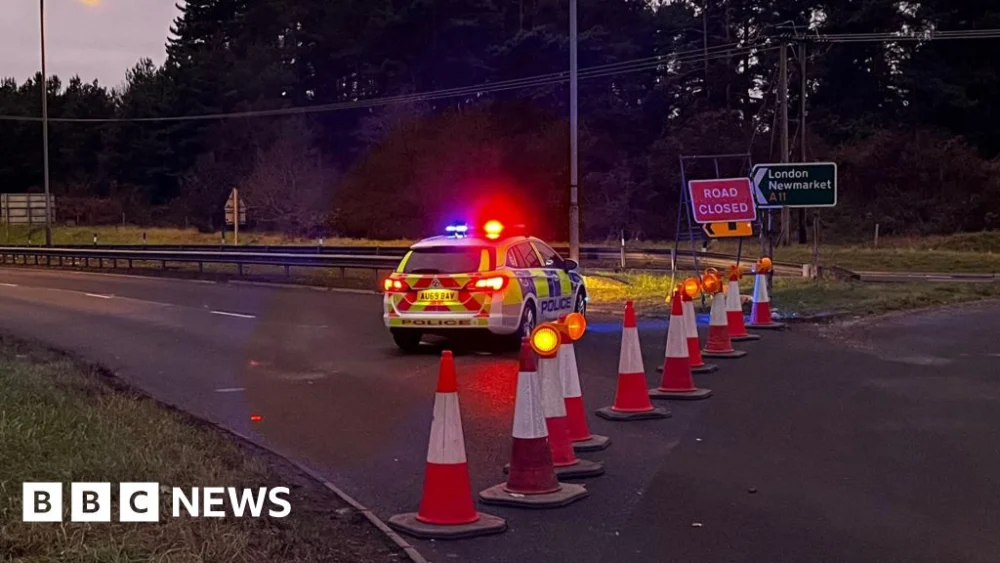
A man’s life concluded abruptly in Thetford, Norfolk, late Sunday evening, following a critical incident involving law enforcement officers that began with a two-vehicle road traffic collision. The sequence of events culminated in a police-involved shooting, prompting an immediate and extensive investigation by the Independent Office for Police Conduct (IOPC), the independent body responsible for overseeing police conduct in England and Wales. This tragic event underscores the profound responsibilities and inherent risks associated with armed policing, particularly in situations where public safety is perceived to be under immediate threat.
The dramatic events unfolded around 8:35 PM GMT on Sunday on the A11 dual carriageway near Thetford. Initial reports indicate that Norfolk Police were dispatched to the scene of a collision involving two vehicles. The situation escalated rapidly when a male individual, believed to have been one of the drivers involved in the crash, reportedly departed the immediate vicinity of the wreckage while brandishing what was described as a handgun. This development immediately elevated the incident to a high-priority call, necessitating the deployment of specially trained armed response units.
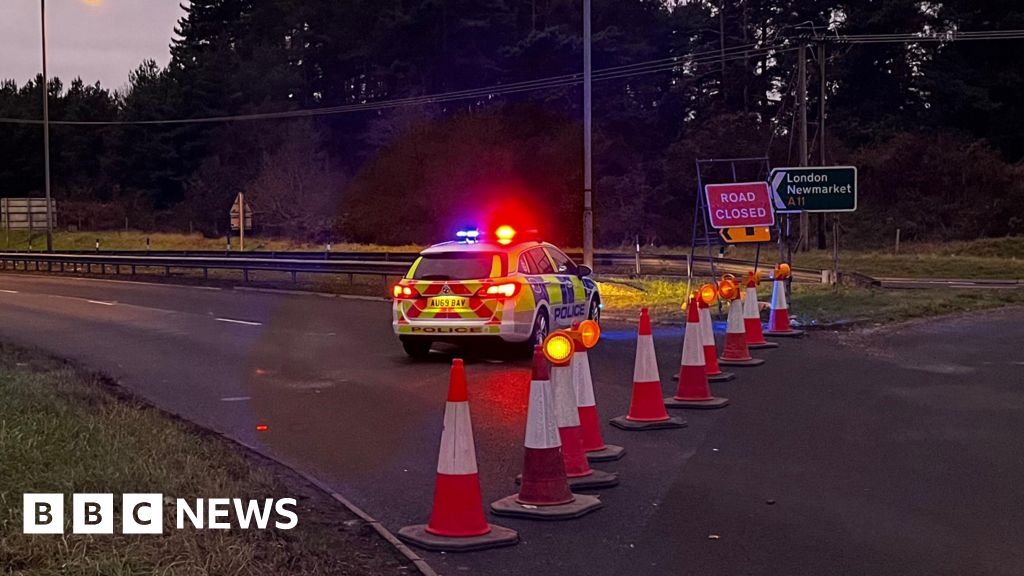
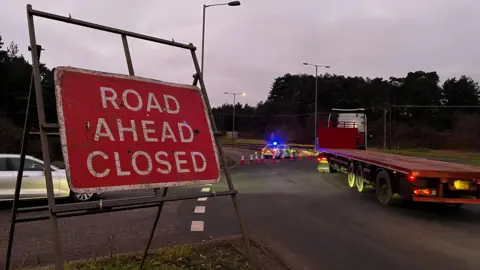
Upon arrival, armed officers engaged with the suspect. The encounter resulted in officers discharging their firearms, striking the individual from what police described as "a short distance away." Despite the swift efforts of emergency medical personnel who were called to the scene, the man succumbed to his injuries and was pronounced deceased. The precise details of the confrontation, including the exact movements of the suspect and the officers’ rationale for using lethal force, will form the core of the subsequent independent investigation. The A11 London Road was promptly sealed off in both directions, transforming a busy arterial route into an active crime scene under the glare of emergency lighting.
The rarity of such incidents in the United Kingdom immediately draws significant public and institutional scrutiny. Unlike many other nations, police officers in the UK are not routinely armed. The decision to deploy firearms is reserved for specific, high-risk situations where there is a clear and present danger to life, and where less lethal options are deemed insufficient or impractical. Armed officers undergo rigorous and continuous training, emphasizing de-escalation techniques and the principle of using only the minimum force necessary to resolve a threat. The discharge of a firearm, particularly with fatal consequences, is considered a last resort, a testament to the stringent protocols governing armed policing operations. This incident in Thetford will undoubtedly be examined against this backdrop of strict guidelines and operational procedures.
Assistant Chief Constable David Buckley of Norfolk Police acknowledged the gravity of the situation and its potential impact on local residents. In a public statement, he reassured the community that while armed officers respond to hundreds of firearms-related calls annually, incidents involving the actual discharge of police firearms are exceedingly uncommon. This rarity underscores the exceptional nature of the events that transpired on the A11. He emphasized the force’s full cooperation with the IOPC investigation, committing to transparency by providing all relevant evidence, including body-worn camera footage from the officers involved and recordings of the initial 999 emergency calls. Crucially, Assistant Chief Constable Buckley confirmed that law enforcement is not actively seeking any other individuals in connection with the incident, suggesting that the threat was contained to the deceased individual.
The involvement of the IOPC is a critical safeguard in maintaining public confidence in policing. Established to investigate the most serious and sensitive matters involving the police, the IOPC operates independently of police forces. Its mandate is to determine whether police actions were appropriate, proportionate, and lawful. The investigation process is comprehensive and meticulous, typically involving:
- Scene Examination: Forensic specialists meticulously document and collect evidence from the incident site, including ballistic analysis, trajectory assessments, and examination of vehicles and any weapons present.
- Witness Interviews: Statements are taken from all officers involved, other emergency service personnel, and any members of the public who witnessed the events.
- Review of Digital Evidence: This includes body-worn video camera footage from officers, CCTV footage from nearby premises or vehicles, and recordings of radio communications and 999 calls.
- Post-mortem Examination: A forensic pathologist conducts an examination of the deceased to determine the cause of death and provide further evidence for the investigation.
- Policy and Training Review: The IOPC will also examine relevant police policies, procedures, and the training received by the officers involved to ensure compliance and identify any potential areas for improvement.
The outcome of an IOPC investigation can range from clearing officers of any wrongdoing to recommending changes in police practice, initiating disciplinary proceedings against officers, or, in rare cases, referring matters to the Crown Prosecution Service for consideration of criminal charges. The process is designed to be thorough, impartial, and transparent, ensuring accountability and learning from critical incidents.
The immediate aftermath of the shooting saw the A11 at Thetford become a hub of intense police activity. BBC Norfolk reporter Jack Maclean, observing the scene, described the significant disruption caused by the road closure, particularly at the Brandon Road roundabout, a point that typically experiences heavy traffic flow. Images disseminated from the scene depicted numerous police vehicles, including forensic units, illuminated by flashing lights, their presence casting an eerie glow over the blocked carriageway. Orange cones and police personnel effectively cordoned off the area, creating an extensive perimeter for the ongoing forensic examination. Such closures are standard procedure in critical incidents to preserve the integrity of the crime scene and facilitate the exhaustive collection of evidence, though they inevitably lead to considerable inconvenience for motorists and local businesses.
Beyond the immediate operational response, incidents of this nature have broader implications. They reignite public discourse around the use of force by police, the mental health support available to officers involved in traumatic events, and the delicate balance between maintaining public order and protecting individual liberties. For the officers involved, the experience of discharging a firearm in the line of duty, particularly with fatal consequences, is profoundly impactful, often leading to significant psychological stress and requiring extensive support and debriefing.
The legal framework underpinning the use of lethal force by police in the UK is stringent, primarily derived from common law principles of self-defence and the defence of others, as well as Article 2 of the Human Rights Act, which protects the right to life. Any use of lethal force must be absolutely necessary and proportionate to the threat faced. The IOPC’s investigation will meticulously assess whether these legal and ethical thresholds were met in the Thetford incident.
As the independent investigation progresses, the community of Thetford, and indeed the wider public, will await its findings with keen interest. The closure of the A11 is anticipated to remain in effect for a considerable period to allow for the complete processing of the scene, with diversions in place. Ultimately, the IOPC’s report, followed by a potential coroner’s inquest, will aim to provide a comprehensive account of what transpired on that Sunday evening, offering clarity and accountability for all parties concerned. The incident serves as a stark reminder of the unpredictable and often perilous nature of police work, where officers are sometimes faced with split-second decisions that have life-or-death consequences.


 Ridwan Kamil
 Safa Marwah
 Aura Kasih
 Ayu Aulia