Ayu Aulia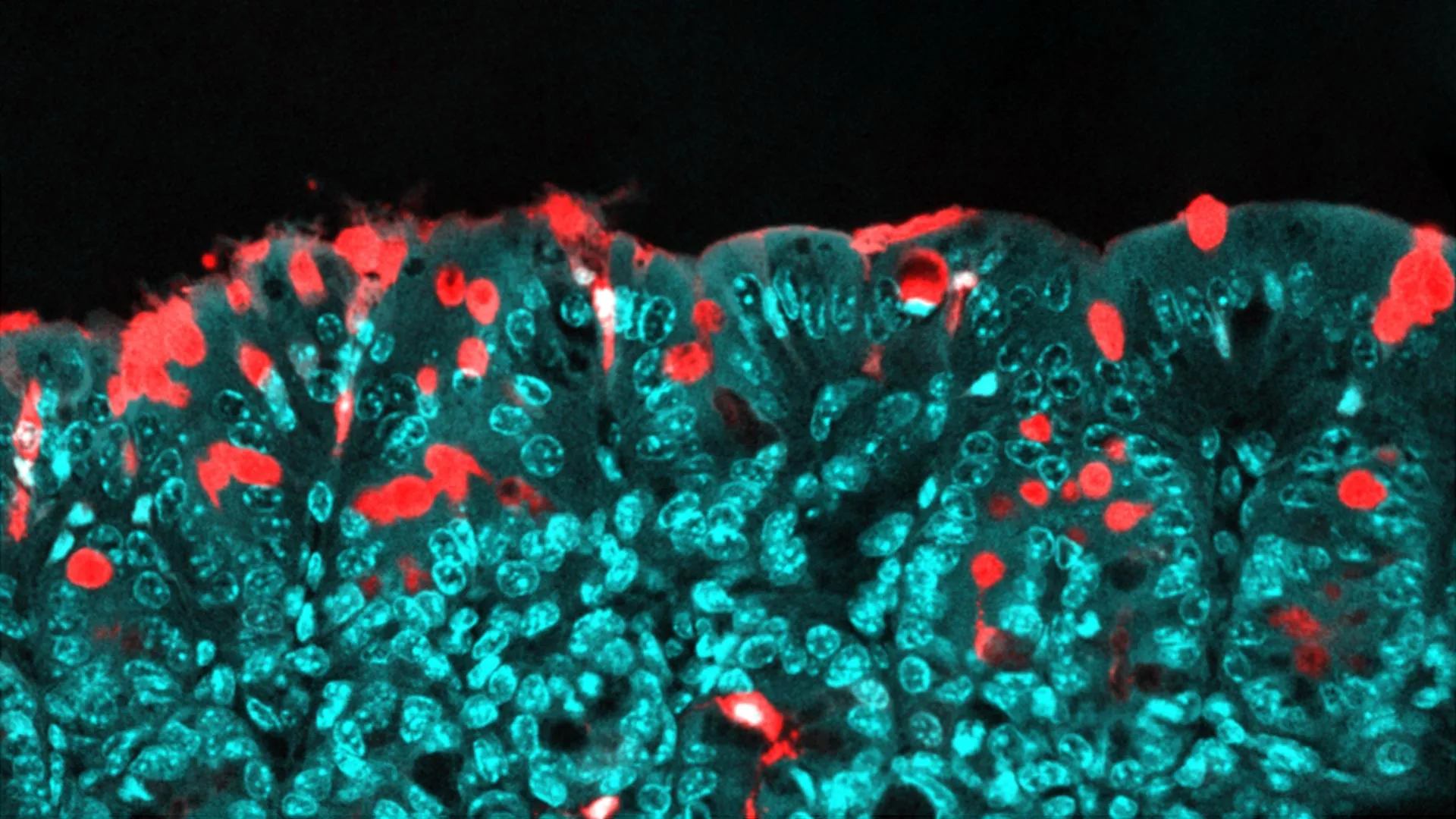
Cutting-edge scientific inquiry has illuminated a significant biological pathway through which specific dietary components consumed by mothers may exert profound and lasting influences on the health trajectories of their progeny. A seminal study, published in a prestigious scientific journal, reveals that maternal ingestion of common food emulsifiers can induce detrimental alterations in the nascent gut microbiome of offspring, thereby elevating their susceptibility to chronic inflammatory conditions and metabolic disorders, such as obesity, in later stages of life. These findings underscore a critical need for comprehensive human investigations into the intergenerational health implications of widespread food additives.
The modern human diet is characterized by an increasing reliance on processed and ultra-processed foods, which often contain a complex array of additives designed to enhance flavor, texture, appearance, and shelf life. Among these, emulsifiers represent a ubiquitous category, playing a crucial role in maintaining the stability and consistency of many consumer products. These substances facilitate the mixing of immiscible liquids, such as oil and water, and are integral to the production of items ranging from creamy dairy products and baked goods to ice cream and certain infant formulas. Despite their pervasive presence in the food supply chain, the long-term biological impact of these additives on human physiology, particularly their subtle yet profound interactions with the delicate ecosystem of the gut microbiota, remains an area of burgeoning scientific interest and increasing public health concern.
The Gut Microbiome: A Foundation for Health
Central to this investigation is the gut microbiome – a vast and complex community of microorganisms, primarily bacteria, residing within the digestive tract. This intricate ecosystem plays a pivotal role in numerous physiological processes, including nutrient metabolism, vitamin synthesis, immune system development and modulation, and protection against pathogens. The establishment of a healthy and diverse gut microbiota during early life, particularly from infancy through early childhood, is recognized as a critical determinant of long-term health. Disturbances to this foundational microbial community during these formative periods have been increasingly linked to a spectrum of chronic non-communicable diseases, including inflammatory bowel disease (IBD), autoimmune disorders, allergies, and metabolic syndromes like obesity and type 2 diabetes. Understanding the factors that shape this early microbial landscape is therefore paramount for preventive health strategies.
Methodology and Key Discoveries of the Study
The recent research, spearheaded by scientists affiliated with prominent European research institutions, meticulously investigated the transgenerational effects of two commonly utilized food emulsifiers: carboxymethyl cellulose (E466) and polysorbate 80 (E433). The experimental design involved administering these emulsifiers to female mice for an extended period, commencing ten weeks prior to gestation and continuing throughout the pregnancy and subsequent lactation phase. A critical aspect of this methodology was the subsequent examination of the offspring’s gut microbiota. Importantly, these young mice were never directly exposed to the emulsifiers themselves; their exposure was exclusively indirect, mediated through their mothers’ consumption. This design allowed researchers to isolate and analyze the effects of maternal dietary intake on offspring development.
The results revealed striking and rapid alterations in the gut bacterial composition of the young mice within the first weeks of life. This timeframe is particularly significant because it represents a crucial window for the initial establishment of the gut microbiota, a process heavily influenced by maternal transmission of microbes through close contact and breastfeeding. The study demonstrated that maternal emulsifier consumption fundamentally reshaped this foundational microbial community in the offspring.
Disrupted Gut-Immune Communication: The Mechanistic Insights
A deeper analysis into the nature of these microbial changes yielded critical mechanistic insights. The altered microbiota in the offspring of emulsifier-exposed mothers exhibited a notable increase in the prevalence of flagellated bacteria. These specific bacterial types are characterized by the presence of flagella, whip-like appendages that enable motility and are potent activators of the host immune system, often promoting inflammatory responses. The heightened presence of such bacteria indicates a shift towards a potentially more pro-inflammatory microbial environment.
Furthermore, the research observed an unsettling phenomenon described as bacterial "encroachment." This refers to an increased proximity of bacteria to the gut lining, a critical barrier that separates the microbial world from the host’s internal environment. Normally, the gut maintains a carefully regulated distance between its microbial inhabitants and its epithelial cells. However, in the offspring exposed to maternal emulsifiers, this protective distance was compromised. This encroachment was directly associated with the premature closure of certain gut pathways. These pathways, known as "gut permeability pathways," typically remain open during early life, allowing controlled passage of small bacterial fragments across the gut lining. This controlled exposure is vital for the proper "education" of the developing immune system, enabling it to recognize and develop tolerance towards the commensal microbiota – the beneficial bacteria that reside within the gut.
The premature closure of these essential pathways in the offspring of emulsifier-exposed mothers had profound consequences. It effectively disrupted the finely tuned communication and immunological programming between the nascent gut microbiota and the developing immune system. As these animals matured into adulthood, this early life disruption manifested as an overactive and dysregulated immune response, leading to chronic low-grade inflammation. This persistent inflammatory state significantly amplified their susceptibility to chronic inflammatory gut diseases and metabolic disorders, including obesity. The study’s ability to directly link early-life microbiota changes, even without direct emulsifier consumption, to a substantially increased likelihood of developing these chronic conditions later in life represents a significant advancement in understanding the complex interplay between diet, the microbiome, and long-term health.
Broader Implications for Human Health and Public Health Policy
The implications of these findings for human health are substantial and far-reaching. While conducted in a murine model, the fundamental biological processes governing gut microbiota establishment and immune development are highly conserved across mammalian species. The study suggests that maternal dietary choices, particularly the consumption of foods containing common emulsifiers, could potentially program an offspring’s lifelong susceptibility to chronic diseases even before birth or during early infancy. This concept of "developmental origins of health and disease" (DOHaD) emphasizes how early environmental exposures can permanently alter physiological and metabolic pathways.
Given the widespread presence of emulsifiers in processed foods, including those marketed towards pregnant women and infants, these results necessitate a critical re-evaluation of current food additive regulations. The fact that some powdered infant formulas, consumed at a uniquely vulnerable and critical juncture for microbiota establishment, frequently contain such additives is particularly concerning. Infants fed formula represent a population directly exposed to these substances during a period of rapid gut and immune development, potentially compounding any indirect effects from maternal consumption. The study’s lead researcher highlighted the urgency of developing a clearer understanding of how maternal diet influences future generations’ health and emphasized the importance of regulating food additives, especially in products consumed by infants.
The Regulatory Landscape and Future Research Directions
The current regulatory framework for food additives, such as the "Generally Recognized As Safe" (GRAS) designation in some regions, often relies on acute toxicity studies and does not always adequately account for subtle, long-term, or intergenerational effects on complex biological systems like the gut microbiome. The challenge lies in designing studies that can capture these nuanced interactions over extended periods and across generations. The findings from this mouse model provide compelling evidence that necessitates a shift in this perspective, urging regulatory bodies to consider the potential for insidious, chronic health impacts of widespread dietary components.
The next critical step, as articulated by the research team, involves translating these compelling animal findings into human clinical trials. Such trials would need to meticulously investigate mother-to-infant microbiota transmission, differentiating between scenarios where maternal nutrition includes or excludes food additives, and cases where infants are directly exposed to these substances via baby formula. These studies are inherently complex, requiring careful ethical considerations, robust cohort design, and long-term follow-up to definitively establish causality and quantify risk in human populations. Furthermore, future research could explore the specific molecular mechanisms by which emulsifiers interact with gut bacteria and the host, potentially identifying biomarkers for early detection of risk.
Conclusion: A Call for Heightened Vigilance in Dietary Science
This landmark research underscores the profound and potentially transgenerational impact of seemingly innocuous food additives on human health. By demonstrating how maternal consumption of dietary emulsifiers can disrupt early-life gut microbiota establishment and predispose offspring to chronic inflammatory diseases and obesity, the study issues a powerful call for heightened vigilance in dietary science, public health policy, and food manufacturing practices. As society increasingly grapples with the rising prevalence of chronic conditions, understanding the subtle yet pervasive influences of our modern diet, particularly during critical developmental windows, becomes paramount. The insights garnered from this investigation, supported in part by significant funding from the European Research Council (ERC), pave the way for a more comprehensive understanding of dietary health and advocate for a future where food additive decisions are informed by a deeper appreciation of their long-term, intergenerational biological consequences.




 Ridwan Kamil
 Safa Marwah
 Aura Kasih
 Lisa Mariana