Safa Marwah
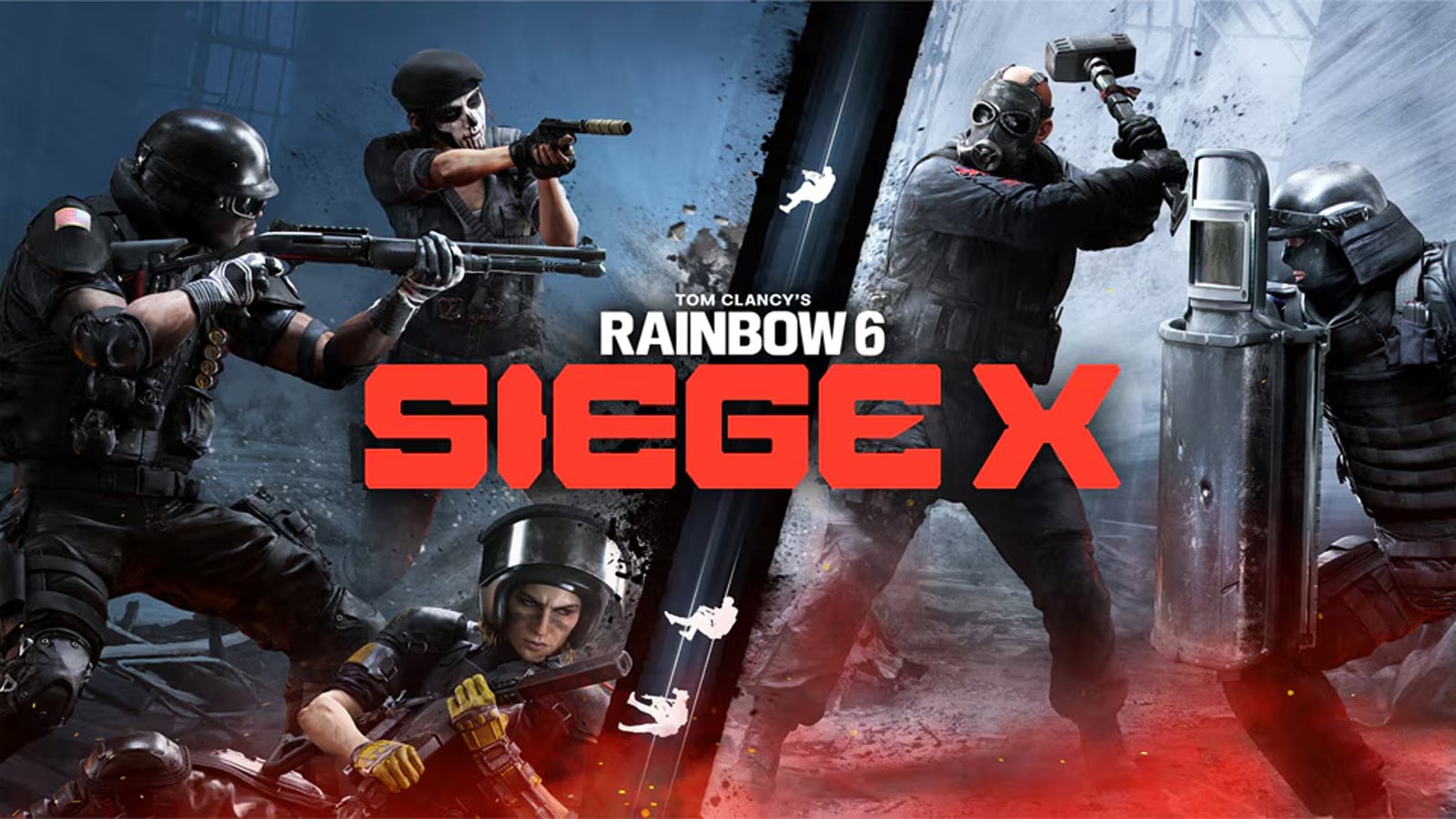
A significant security compromise has impacted Ubisoft’s acclaimed tactical shooter, Rainbow Six Siege (R6), leading to widespread disruption, the unauthorized distribution of premium in-game currency and items, and a temporary shutdown of game services. This incident has raised serious questions regarding the integrity of internal systems and the security posture of one of the gaming industry’s most prominent titles, particularly amidst unverified claims of a much larger data breach extending beyond the game itself.
The incident, which began manifesting on Saturday, saw malicious actors exploit vulnerabilities within Ubisoft’s internal infrastructure to gain unauthorized access to critical game management tools. This access allowed them to perform a range of disruptive actions, including the arbitrary banning and unbanning of player accounts, manipulation of in-game moderation feeds, and, most notably, the granting of billions of units of R6 Credits—the game’s premium currency—and numerous cosmetic items to player accounts globally. The financial implications of this unsanctioned distribution are substantial, with an estimated value of over $13 million based on current R6 Credit pricing.
Unprecedented In-Game System Compromise
The core of the incident involved the attackers leveraging internal system privileges. The ability to manipulate player bans directly undermines the competitive integrity of Rainbow Six Siege, a game known for its esports scene and stringent anti-cheat measures. Such an exploit allows malicious actors to target legitimate players or reverse deserved penalties, sowing chaos and eroding trust in the game’s administrative functions. Similarly, the tampering with in-game moderation feeds could potentially be used to spread disinformation, defame players, or otherwise disrupt the community’s perception of official communications.
However, the most financially impactful aspect of the breach was the mass distribution of R6 Credits and cosmetic items. R6 Credits are typically purchased with real-world money, forming a cornerstone of Ubisoft’s monetization strategy for the game. The unauthorized injection of billions of these credits into the game’s economy represents a direct financial loss in potential sales and significantly devalues the currency for players who have legitimately purchased it. For context, 15,000 R6 Credits are typically sold for approximately $99.99. The reported distribution of 2 billion credits thus represents a staggering $13.33 million worth of virtual goods injected into the system without authorization. This act not only impacts Ubisoft’s immediate revenue but also creates long-term challenges in managing the game’s virtual economy and player equity.
Ubisoft’s Response and Remediation Efforts
In the immediate aftermath of the incident’s public emergence, Ubisoft acted swiftly to acknowledge the compromise and initiate remediation. The official Rainbow Six Siege social media channels confirmed an ongoing issue affecting the game, indicating that development teams were actively engaged in resolution efforts. This acknowledgment was followed by a decisive, albeit disruptive, measure: Ubisoft intentionally shut down both Rainbow Six Siege servers and its in-game Marketplace. This action underscored the severity of the breach, prioritizing system integrity and containment over continuous player access.
Further communications from Ubisoft clarified several critical aspects of their response strategy. The company announced that players who had received the illicitly distributed R6 Credits and subsequently spent them would not face punitive action. This decision likely aims to mitigate player backlash and maintain goodwill amidst the disruption. However, in an effort to restore economic balance and rectify the unauthorized transactions, Ubisoft initiated a rollback of all in-game purchases and credit expenditures made after a specific timestamp, 11:00 AM UTC. This rollback mechanism, while necessary, can introduce its own set of complexities, potentially affecting legitimate transactions made within that window.
Ubisoft also addressed the alarming messages observed on the game’s "ban ticker," a public feed that typically displays information about banned players. The company stated unequivocally that these messages were not generated by Ubisoft and that the ban ticker feature had been previously disabled. This suggests that the attackers not only gained access to internal systems but also manipulated user interface elements to display fabricated information, further complicating the situation and potentially causing widespread confusion and alarm among the player base. As of the latest updates, the game servers and Marketplace remained offline, indicating the ongoing nature of the investigation and restoration efforts. Ubisoft has yet to release a comprehensive formal statement detailing the root cause of the breach or the extent of the unauthorized access.
Unverified Allegations of a Broader Enterprise Compromise

Adding a layer of complexity and potential severity to the incident are unverified claims circulating within the cybersecurity community regarding a much larger breach of Ubisoft’s corporate infrastructure. Cybersecurity research group VX-Underground reported allegations from threat actors claiming to have compromised Ubisoft’s servers. These claims specifically point to the exploitation of a recently disclosed vulnerability in MongoDB, an open-source NoSQL database widely used by enterprises, dubbed "MongoBleed" and tracked as CVE-2025-14847.
MongoBleed is described as a critical flaw that permits unauthenticated remote attackers to leak memory from exposed MongoDB instances. The successful exploitation of such a vulnerability could expose highly sensitive information, including credentials, authentication keys, and other proprietary data, effectively providing a gateway into a company’s internal network. The existence of a public Proof-of-Concept (PoC) exploit for MongoBleed significantly increases the risk profile for any organization utilizing vulnerable MongoDB instances, as it lowers the technical barrier for potential attackers.
The allegations from VX-Underground further suggest that multiple, seemingly unrelated threat groups may have targeted Ubisoft. One group reportedly claimed to have gained access to internal source code through the MongoBleed vulnerability, while another asserted compromise of customer data. If substantiated, the theft of internal source code could have profound implications, potentially exposing proprietary algorithms, unreleased game features, and further security vulnerabilities that could be exploited in future attacks. Access to customer data, on the other hand, represents a far graver concern, potentially encompassing personal identifiable information (PII), payment details (if stored), and other sensitive user data. Such a breach would trigger significant regulatory scrutiny, including potential fines under data protection laws like GDPR and CCPA, and severely damage customer trust.
At present, these claims remain unverified by independent sources, and Ubisoft has not publicly addressed them. The official communications from Ubisoft have thus far focused solely on the in-game abuse within Rainbow Six Siege. The lack of public evidence supporting a broader breach means that while the in-game disruption is confirmed, the full scope of any potential corporate compromise remains speculative. The gaming community and cybersecurity observers are awaiting further official statements from Ubisoft that could clarify the extent of the incident.
Implications and Future Outlook

The Rainbow Six Siege breach, even if confined to in-game systems, highlights significant vulnerabilities in the security architecture of online gaming platforms. The ability of external actors to manipulate core game functionalities and economic systems points to potential weaknesses in access controls, network segmentation, or the security hardening of internal tools. For a game that generates substantial revenue through microtransactions, the integrity of its virtual economy is paramount. The incident underscores the critical importance of continuous security auditing, robust penetration testing, and rapid patching of identified vulnerabilities, especially for high-profile online services.
Beyond the immediate financial impact of lost sales and the cost of remediation, the incident carries substantial long-term implications for player trust and brand reputation. Players invest not only money but also significant time and emotional capital into competitive online games. A breach that undermines fair play, compromises the game’s economy, or potentially exposes personal data can lead to player attrition and erode confidence in the developer’s ability to safeguard their experience. Rebuilding this trust will require transparent communication, demonstrable improvements in security measures, and consistent delivery of a secure gaming environment.
Should the unverified claims of a broader enterprise compromise involving source code or customer data be confirmed, the ramifications for Ubisoft would escalate dramatically. Such a scenario would necessitate a comprehensive forensic investigation, potential notification to affected customers, and engagement with regulatory bodies. The gaming industry, which has seen its fair share of high-profile cyberattacks in recent years, would likely view this incident as another cautionary tale regarding the escalating sophistication of threat actors and the pervasive need for robust, multi-layered cybersecurity defenses across all operational facets, from game servers to corporate databases.
As Ubisoft continues its efforts to restore Rainbow Six Siege services and fully investigate the breach, the gaming community and cybersecurity analysts will be closely watching for further disclosures. The incident serves as a stark reminder of the ever-present cyber threats faced by major digital platforms and the critical importance of proactive security measures to protect both corporate assets and player communities. The lessons learned from this breach will undoubtedly influence future security strategies across the interactive entertainment sector.




 Ridwan Kamil
 Aura Kasih
 Lisa Mariana
 Ayu Aulia