Ayu Aulia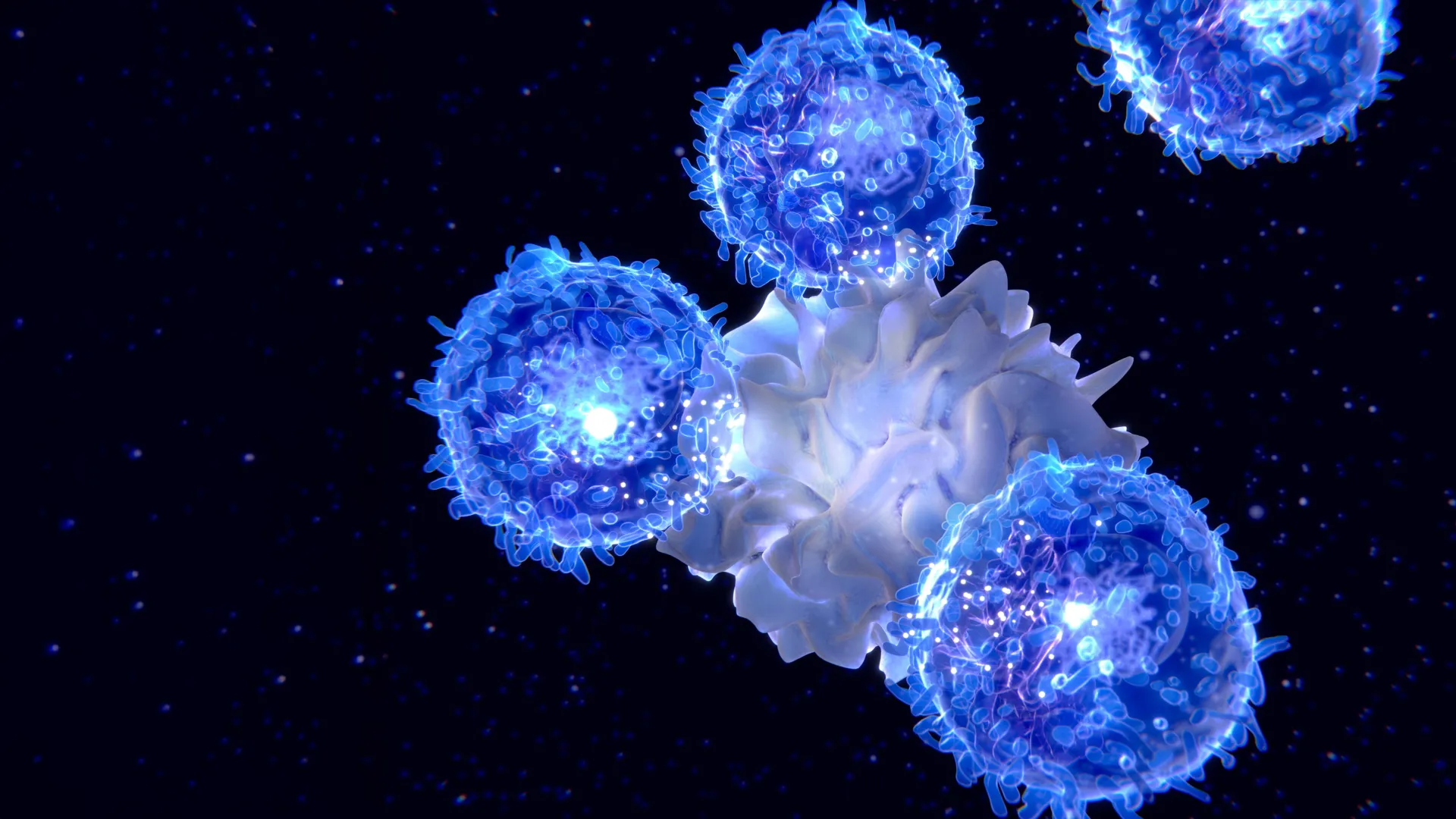
A significant advancement in biomedical science has revealed a promising new approach to counter the age-associated decline in immune function, a phenomenon known as immunosenescence. Scientists at a leading research institution have successfully engineered a temporary cellular "factory" within the liver of murine models, utilizing messenger RNA (mRNA) technology to stimulate the production of vital factors that bolster T cell performance and diversity, offering a potential pathway to enhance disease resistance and therapeutic responses in older individuals. This innovative strategy represents a substantial departure from previous attempts to revitalize the aging immune system, potentially paving the way for improved health outcomes in an increasingly elderly global population.
The human immune system, a complex network of cells, tissues, and organs, serves as the body’s primary defense mechanism against pathogens, abnormal cells, and environmental threats. Its efficacy is paramount to maintaining health and preventing disease. However, as individuals age, this intricate system undergoes a progressive deterioration, a process termed immunosenescence. This decline is characterized by several key changes, most notably a reduction in the populations of T lymphocytes, or T cells, which are crucial components of adaptive immunity. The remaining T cells often exhibit impaired functionality, responding more slowly and less robustly to novel antigens or persistent threats. This immunological vulnerability renders older adults significantly more susceptible to a wide array of infections, from common influenza to severe pneumonia, and diminishes their capacity to mount effective responses to vaccinations and cancer treatments. The societal and economic burdens associated with this age-related immunological frailty are considerable, impacting quality of life, increasing healthcare costs, and accelerating the onset of chronic diseases.
Addressing this pervasive age-related decline has been a longstanding goal in immunology and gerontology. The recent study, spearheaded by researchers from the Massachusetts Institute of Technology (MIT) and the Broad Institute, introduces a sophisticated method to temporarily re-engineer liver cells. This transient reprogramming is designed to enhance T cell performance by compensating for the diminished output of the thymus, the primary organ responsible for T cell maturation. By essentially establishing an auxiliary support system, the researchers aim to restore a more youthful immunological profile.
The core of this groundbreaking method involves the use of mRNA to deliver genetic instructions for three critical factors that are indispensable for T cell survival and development. These factors, delivered via lipid nanoparticles (LNPs), instruct liver cells to produce the necessary proteins. In experiments conducted on older mice, this approach successfully rejuvenated their immune systems. Treated mice exhibited significantly larger and more diverse populations of T cells following vaccination, demonstrating an improved capacity to mount an immune response. Furthermore, the intervention substantially enhanced their responses to cancer immunotherapy, a critical finding with profound clinical implications.
"If we can restore something essential like the immune system, hopefully we can help people stay free of disease for a longer span of their life," commented Feng Zhang, the James and Patricia Poitras Professor of Neuroscience at MIT and a senior author of the study. His perspective underscores the transformative potential of this research, envisioning a future where individuals can maintain robust health and disease resistance throughout their lifespan. The findings, published in the esteemed journal Nature, were led by former MIT postdoc Mirco Friedrich, who served as the lead author.
A deeper understanding of the problem necessitates an examination of the thymus, a small, bilobed organ situated in the upper chest, anterior to the heart. The thymus is the central command center for T cell education and maturation. Within its specialized microenvironment, immature T cell precursors undergo a rigorous selection process, ensuring the development of a diverse repertoire of T cells capable of recognizing a vast array of pathogens while tolerating the body’s own tissues. Beyond T cell differentiation, the thymus also secretes vital cytokines and growth factors that are crucial for the survival and proper functioning of these immune cells.
However, the thymus is unique among organs in its trajectory of development and decline. Beginning in early adulthood, typically around puberty, the thymus initiates a process known as thymic involution. This physiological atrophy involves the gradual replacement of functional thymic tissue with adipose tissue, leading to a precipitous reduction in its capacity to produce new, naive T cells. By approximately age 75, the thymus is largely nonfunctional, a state that profoundly impacts the body’s ability to replenish its T cell reserves and respond effectively to new immunological challenges.
"As we get older, the immune system begins to decline. We wanted to think about how can we maintain this kind of immune protection for a longer period of time, and that’s what led us to think about what we can do to boost immunity," explained Friedrich, highlighting the imperative that drove this research.
Previous scientific endeavors to counteract thymic involution and rejuvenate the immune system have explored various avenues. One common strategy involved the systemic administration of T cell growth factors. While theoretically sound, this approach often encountered significant limitations, primarily due to harmful systemic side effects arising from the widespread, non-specific activation of immune cells and other tissues. Another promising, albeit highly complex, area of research focuses on regenerative medicine, investigating whether transplanted stem cells could facilitate the regrowth of functional thymic tissue. While offering a potential long-term solution, this approach faces considerable hurdles related to surgical invasiveness, immune rejection, and the intricate biological engineering required to recreate a fully functional organ.
The MIT team, however, opted for an entirely different, highly innovative strategy, rooted in the principles of synthetic biology. Their central question was whether the body itself could be temporarily induced to create an ectopic "factory" capable of producing the precise T cell-stimulating signals typically generated by a healthy thymus. "Our approach is more of a synthetic approach," Zhang elaborated. "We’re engineering the body to mimic thymic factor secretion."
The liver was strategically selected as the ideal organ for this temporary immunological factory for several compelling reasons. Firstly, the liver possesses an extraordinary capacity for protein synthesis, a function that remains robust even into advanced age. This ensures a reliable production site for the desired immune factors. Secondly, the liver is particularly amenable to mRNA delivery, especially when packaged in lipid nanoparticles, which tend to accumulate efficiently in hepatocytes. Lastly, the liver’s anatomical position is advantageous: all circulating blood, including T cells, continuously flows through it. This ensures that the immune-supporting signals released into the bloodstream by the engineered liver cells are effectively disseminated and reach their intended targets within the immune system.
To construct this transient factory, the researchers carefully selected three crucial immune cues intimately involved in T cell maturation and survival. These factors were then encoded into mRNA sequences and encapsulated within lipid nanoparticles. Upon intravenous injection, these nanoparticles preferentially localize to the liver, where hepatocytes internalize the mRNA and begin synthesizing the encoded proteins. The three specific factors delivered were DLL1 (Delta-like ligand 1), FLT-3 (Fms-like tyrosine kinase 3 ligand), and IL-7 (Interleukin-7). Individually and collectively, these signals play indispensable roles in guiding immature progenitor T cells through their developmental stages, leading to their full differentiation and expansion into a functional, diverse T cell repertoire. DLL1 is a critical mediator of Notch signaling, essential for T cell fate determination. FLT-3 ligand supports the development of hematopoietic stem cells, including those committed to the lymphoid lineage. IL-7 is a potent cytokine that promotes the survival, proliferation, and differentiation of T cell progenitors and mature T cells.
Experimental validation in murine models yielded highly encouraging results, demonstrating multiple positive outcomes. In one key experiment, 18-month-old mice, an age roughly equivalent to humans in their 50s, received injections of the mRNA particles. Given the transient nature of mRNA expression, repeated doses were administered over a four-week period to ensure consistent production of the factors by the liver. Following this treatment regimen, the T cell populations in these mice exhibited substantial increases in both size and functional capacity.
The team then investigated whether this novel approach could enhance vaccine responses. Mice were vaccinated with ovalbumin, a protein commonly utilized in immunological research to study antigen-specific immune reactions. In the 18-month-old mice that had received the mRNA treatment prior to vaccination, the number of cytotoxic T cells specifically targeting ovalbumin doubled compared to untreated control mice of the same age. This finding indicates a significantly improved ability to mount a robust and specific immune response against a novel antigen, a critical factor for vaccine efficacy in older populations.
Furthermore, the researchers explored the method’s potential to strengthen responses to cancer immunotherapy. Again, 18-month-old mice were treated with the mRNA regimen, followed by tumor implantation. These mice then received a checkpoint inhibitor drug, specifically targeting PD-L1. Checkpoint inhibitors function by releasing the natural "brakes" on the immune system, thereby empowering T cells to more effectively recognize and attack tumor cells. The results were striking: mice that received both the checkpoint inhibitor and the mRNA treatment demonstrated significantly higher survival rates and lived considerably longer than those that received only the checkpoint inhibitor drug without the immunomodulatory mRNA intervention. This synergistic effect highlights the potential for this strategy to improve the efficacy of existing cancer therapies, a major unmet need in geriatric oncology.
A critical aspect of the study was the determination that all three factors – DLL1, FLT-3, and IL-7 – were indispensable for achieving the observed immune improvements. No single factor administered in isolation could replicate the comprehensive beneficial effects, underscoring the intricate and multifaceted nature of T cell biology and the necessity for a combinatorial approach to effectively mimic thymic function.
Looking ahead, the research team plans to extend their investigations by testing this innovative approach in additional animal models, including non-human primates, which would provide crucial data regarding its translatability to humans. Concurrently, they aim to identify other signaling factors that might further augment immune function and explore the broader impact of this treatment on other components of the immune system, such as B cells, which are responsible for antibody production, and innate immune cells.
This pioneering research holds profound implications for public health and healthy aging. If successfully adapted for human patients, this mRNA-based strategy could offer a minimally invasive, temporary, and highly targeted method to revitalize the aging immune system. Such an intervention could significantly reduce susceptibility to infections, enhance vaccine efficacy, and improve outcomes for cancer patients, thereby extending healthspan and improving the quality of life for millions worldwide. The ability to synthetically restore a fundamental biological process like T cell maturation represents a paradigm shift in our approach to age-related immunological decline, offering a beacon of hope for a future where aging does not necessarily equate to immune vulnerability.



 Aura Kasih
 Lisa Mariana
 Ridwan Kamil
 Safa Marwah