Lisa Mariana
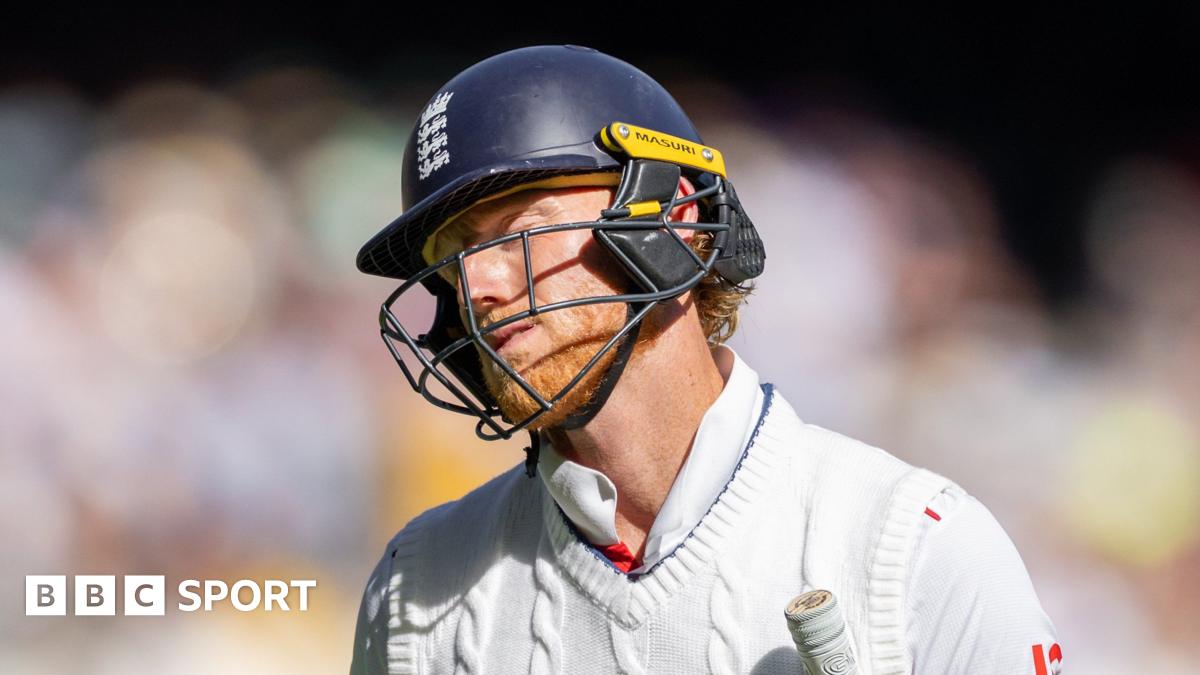
A dramatic opening day at the Melbourne Cricket Ground witnessed a profound capitulation by the English batting lineup, as twenty wickets fell, culminating in their dismissal for a mere 110 runs and placing Australia in a commanding position in the fourth Ashes Test. This extraordinary session of cricket, characterised by relentless Australian bowling and tentative English batting, marked one of the most tumultuous starts to an Ashes fixture in over a century, as the hosts established a formidable 46-run lead by stumps, having already commenced their second innings.
The unfolding narrative at the iconic ‘G’ on Boxing Day was one of unprecedented volatility, with the sheer volume of wickets – twenty in total – surpassing any opening day tally in an Ashes Test since 1909. This chaotic sequence of events also overshadowed the nineteen wickets that fell on the first day of the initial Test of this series in Perth, further underscoring the challenging conditions and the aggressive nature of the contest. Australian stand-in captain Steve Smith had presciently noted the influence of the 10mm long grass on the pitch, declaring that batsmen would need to be "on their game." His assessment proved remarkably accurate, as both sides found themselves grappling with a surface that offered considerable assistance to the fast bowlers. While Australia was dismissed for 152 in their first innings, England’s response was a catastrophic collapse, being routed in a single post-tea session. The day concluded with Australia already 4-0 in their second innings, marking only the third occasion in Ashes history that the third innings of a match has commenced on day one. This accelerated pace of play ignited speculation that Melbourne could host the second two-day Ashes Test in the space of five weeks, following the Perth encounter, which was the first in 104 years.
The ferocity of the evening session effectively overshadowed England’s earlier, much-improved performance with the ball and in the field. Pace bowler Josh Tongue delivered an exceptional spell, claiming 5-45, a testament to his burgeoning talent. However, the short-lived nature of England’s first innings meant their bowlers were recalled to the crease before the close of play, a stark reflection of their batting unit’s comprehensive failure over just 29.5 overs. England’s innings began in disarray, with the scoreboard quickly reading 8-3 and then 16-4. Harry Brook’s initial aggressive lunge at Mitchell Starc, a dance, swipe, and miss from his very first delivery, initially appeared ill-advised. Yet, it was Brook’s defiant audacity, smashing 41 runs including two sixes, that provided the only significant resistance and prevented a complete implosion. Beyond Brook, only captain Ben Stokes and Gus Atkinson managed to reach double figures. Michael Neser was the chief tormentor for Australia, securing four wickets, ably supported by Scott Boland, who claimed three. The peculiar nature of the day was encapsulated by Boland’s unusual role, batting at number 11 before returning to open Australia’s second innings as a nightwatchman.
Christmas Chaos at the Cricket Ground
Following the ignominious surrender of the Ashes inside three Tests and subsequent reports of off-field indiscretions during a team trip to Noosa, the English squad undoubtedly harboured hopes that a return to competitive cricket would offer some respite from a torrid tour. For two sessions, England appeared to be on course for their most encouraging day of the series, only for their batting to unravel spectacularly in an evening of profound cricketing chaos. Their total of 110 represents their lowest score and shortest completed innings since captain Ben Stokes and coach Brendon McCullum embarked on their tenure more than three years prior, a stark indicator of the deep-seated issues that resurfaced.
The atmosphere surrounding this dead rubber fixture was anything but subdued; if anything, the promise of further English misfortune amplified the traditional Australian Christmas gathering, drawing a record Boxing Day crowd of 94,199 to the Melbourne Cricket Ground, the largest ever for a cricket match at the venue. The energy at the commencement of England’s innings was palpable, a pulsating anticipation that a wicket could fall with every delivery. The pitch itself emerged as the primary catalyst for the helter-skelter action. While questions inevitably arose regarding whether the conditions were excessively difficult for batting, the surface undeniably fostered an utterly compelling spectacle. As has been the prevailing trend throughout the series, Australia ultimately seized the upper hand.
Australia’s Relentless Pursuit of Dominance
The true measure of a Test pitch’s characteristics often becomes clear only after both teams have completed an innings. Following Australia’s struggles with the bat in their first dig, there was a palpable suspicion that the visiting English side would also encounter significant difficulties. What transpired, however, transcended mere difficulty; it was pandemonium. Ben Duckett miscued a pull shot off Starc straight to mid-on, while Zak Crawley feathered an edge off the same bowler to second slip. Sandwiched between these dismissals, Jacob Bethell’s Ashes debut yielded just one run before he nicked a delivery from Neser. England found themselves three wickets down within a mere 26 deliveries, a calamitous start that set the tone for the remainder of their innings.
England’s humiliation could have been far more profound had it not been for the audacious Harry Brook. While his initial wild hack at Starc appeared clumsy, his teammates were being dismissed attempting a more conventional, defensive approach. There was a touch of genius in his subsequent lofted six over long-off against Starc and a powerful whip for another maximum off Neser. Brook and Stokes forged a fifty-run partnership from an equal number of balls, providing a fleeting moment of stability. However, this fragile recovery was shattered when Brook was pinned lbw by Boland, walking across his stumps. This dismissal triggered another catastrophic collapse, as England lost five wickets for a mere 25 runs.
From a precarious 91-9, England were in dire straits, but mirroring their earlier efforts with the ball, Gus Atkinson and Josh Tongue combined to add a few vital runs with the bat. Atkinson adeptly farmed the strike, nudging his way to a precious 28 before eventually being bowled by Cameron Green. In a testament to the bewildering nature of the day, Atkinson then took the new ball for Australia’s second innings. Boland, who had bizarrely batted at number 11 and opened the batting on the same day, faced the final deliveries of the day surrounded by all nine English fielders in catching positions. His edge off the fifth ball, falling just short of the slip cordon, followed by another edge for four, drew the loudest roar of a truly crazy day, underscoring the unpredictable and exhilarating conclusion to an unforgettable opening chapter.
Tongue Leads a Forlorn English Improvement
The day also offered a glimpse into the potential future of England’s pace attack, marking the first time Tongue, Atkinson, and Brydon Carse had played in the same Test match. Collectively, they orchestrated a vastly improved England display, ensuring that the crucial toss decision was not squandered. With the exception of Carse’s initial wayward spell with the new ball, the English attack collectively found their fullest length of the series, a significant improvement in accuracy and discipline. Their efforts were buttressed by efficient catching in the field, highlighted by Carse’s exceptional direct-hit run out of Green in his follow-through.
Josh Tongue, who had missed the first two Tests but showed considerable promise upon his recall for the third Test in Adelaide, continued to impress. His length was consistently the fullest among the English bowlers, and he delivered a superb nip-backer to bowl Steve Smith, extending a remarkable run of dismissing the Australian maestro in all four first-class innings they have faced each other. By this juncture, Atkinson had forced Travis Head to chop on, and Tongue benefited from a leg-side tickle by Jake Weatherald before finding the edge of Marnus Labuschagne. Atkinson maintained an exceptionally miserly economy rate, and after lunch, successfully reviewed a decision to have the leaden-footed Usman Khawaja caught behind. Ben Stokes, in a curious tactical move, chose not to bowl himself before the break, yet his expert placement of Crawley at leg slip resulted in the dismissal of Alex Carey, who flicked the ball straight into the fielder’s hands.
A counter-punching stand of 50 runs between Neser and Green threatened to shift the momentum back towards Australia, only for Carse’s dead-eye accuracy to punish Green’s hesitancy in setting off for a single, executing a brilliant run-out. This pivotal moment opened the door for Tongue and Carse to efficiently mop up the tail, as Australia lost their final three wickets for no runs in just four balls. However, this late Australian collapse paled in comparison to the sheer carnage that was to follow, as England’s batting lineup succumbed to the relentless pressure and challenging conditions.
Implications and Outlook
The events of day one at the Melbourne Cricket Ground present profound implications for both teams, particularly England. For the tourists, this latest capitulation further compounds their woes in a series where the Ashes have already been relinquished. It raises critical questions about the adaptability of their aggressive ‘Bazball’ philosophy when confronted with highly challenging pitches and an elite bowling attack. While Harry Brook’s innings offered a fleeting glimpse of defiance, the overall performance of the batting unit suggests a systemic vulnerability that needs urgent addressing. The psychological impact of such a comprehensive collapse, especially after a promising bowling display, will be immense and difficult to overcome within the confines of this Test.
For Australia, the day served as a reaffirmation of their dominance and the depth of their bowling talent. Despite a relatively modest first innings total, their bowlers capitalised mercilessly on the conditions and England’s frailties, demonstrating their relentless pressure and tactical acumen. The fact that they lead by 46 runs with ten second-innings wickets in hand, and the match barely into its second day, places them in an overwhelmingly commanding position. The likelihood of this Test concluding swiftly, potentially within three days, is exceptionally high, which would only serve to underscore England’s current struggles.
Looking ahead, England faces an almost insurmountable task. To recover from this position would require an unprecedented batting performance in their second innings on a pitch that is still offering assistance, followed by an equally exceptional bowling effort to dismiss Australia cheaply. Given the current trajectory of the series and the momentum firmly with Australia, such a scenario appears highly improbable. This match is likely to further solidify Australia’s psychological advantage and intensify the scrutiny on England’s Test cricket strategy and selection policies. The performance has not only cast a shadow over the immediate future of this Ashes tour but also sparked broader discussions about the competitive balance in Test cricket when one team consistently struggles to adapt to diverse conditions and formidable opposition. The chaotic start to this Boxing Day Test will undoubtedly be remembered as a pivotal moment, highlighting the enduring drama and unforgiving nature of Ashes cricket.




 Ridwan Kamil
 Safa Marwah
 Aura Kasih
 Ayu Aulia