
 Lisa Mariana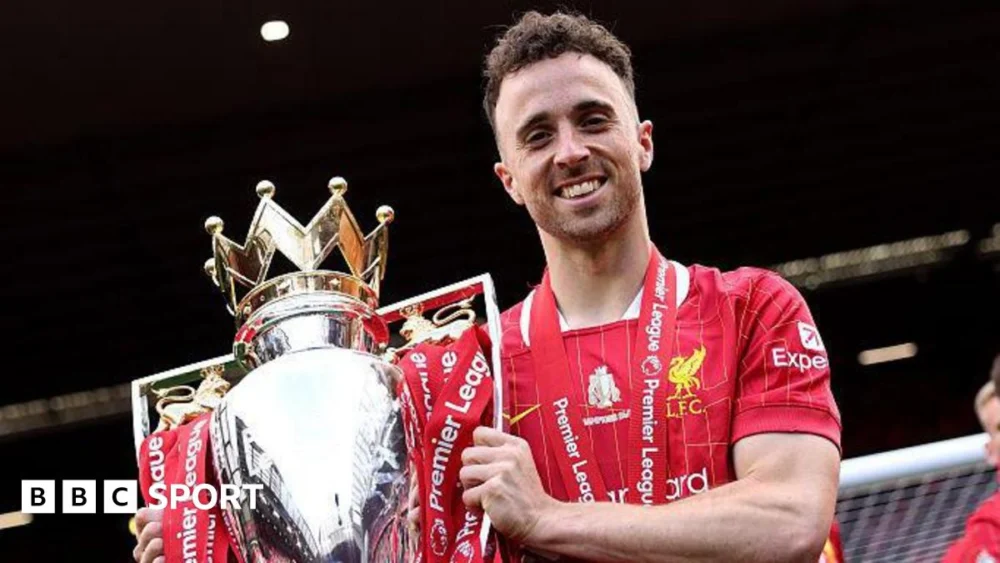
The upcoming Premier League fixture between Liverpool and Wolverhampton Wanderers at Anfield is poised to transcend mere sporting competition, featuring a particularly poignant moment as Diogo Jota’s two sons, Dinis and Duarte, are set to participate as matchday mascots, symbolizing their father’s unique and impactful bond with both esteemed clubs. This special occasion underscores the deep personal connections that weave through the fabric of professional football, highlighting the enduring legacy of a player celebrated on Merseyside and at Molineux alike.
The ritual of young mascots accompanying their heroes onto the pitch is a cherished tradition in football, designed to inspire the next generation and add a touch of youthful exuberance to the grand spectacle. However, when Dinis and Duarte Jota step out onto the hallowed Anfield turf, their presence will carry an added layer of emotional weight. Their father, Diogo Jota, a prolific forward for Liverpool, previously carved out a significant chapter of his career with Wolverhampton Wanderers. This symbolic act not only offers a unique family perspective on the highly anticipated clash but also serves as a testament to Jota’s journey and the affection he commands from both fan bases. The sight of his young children proudly representing both sides of his professional life will undoubtedly evoke a powerful sense of continuity and pride among supporters.
Diogo Jota’s career trajectory is a compelling narrative of ambition, talent, and relentless progression. His arrival at Wolverhampton Wanderers in 2017, initially on a season-long loan from Atletico Madrid, marked a pivotal moment for both the player and the club. Wolves, then vying for promotion from the Championship, found in Jota a dynamic and incisive attacker who quickly became instrumental in their ascent. His inaugural season saw him net 17 goals in 44 appearances across all competitions, a remarkable return that spearheaded Wolves’ dominant Championship title win and their return to the Premier League after a six-year absence. His permanent transfer was swiftly secured, cementing his place as a fan favourite.
In the Premier League, Jota continued to flourish under the guidance of Nuno Espírito Santo, demonstrating his adaptability and goal-scoring prowess against England’s elite. Over three seasons at Molineux, Jota amassed a total of 44 goals in 131 appearances, leaving an indelible mark on the club’s modern history. He was a key figure in establishing Wolves as a competitive force in the top flight, helping them secure impressive seventh-place finishes in consecutive seasons and reach the quarter-finals of the UEFA Europa League. His electrifying runs, clinical finishing, and tireless work rate endeared him to the Wolves faithful, who recognized his significant contribution to their resurgence. His departure in 2020, while a substantial loss, was understood as a natural progression for a player destined for the very highest echelons of the game.
The transition to Liverpool in September 2020 presented Jota with a new challenge and an even brighter spotlight. Joining a team that had just claimed the Premier League title, he seamlessly integrated into Jürgen Klopp’s formidable attacking unit. Despite the intense competition for places, Jota quickly demonstrated his value, offering versatility across the front line and a keen eye for goal. His debut season was marked by crucial contributions, and he continued to evolve into a vital component of Liverpool’s trophy-winning machinery. While he arrived after Liverpool’s historic Premier League triumph, Jota played a pivotal role in the club’s subsequent successes, notably contributing significantly to their triumphant campaigns in the FA Cup and League Cup in 2022. His ability to score vital goals in high-pressure situations, often demonstrating exceptional composure and technical skill, cemented his status as a key player at Anfield. To date, Jota has registered 65 goals in 182 appearances for Liverpool, a testament to his consistent performance and impact at an elite level.

The presence of Dinis and Duarte as mascots, therefore, is far more than a charming photo opportunity; it is a tangible link between a father’s illustrious career and the two clubs that have defined it. It speaks to the deep-seated respect and appreciation that both Liverpool and Wolverhampton Wanderers hold for Diogo Jota, acknowledging his contributions and celebrating his ongoing journey. This gesture reinforces the idea that while players move between clubs, their history and the connections they forge remain.
Manager Arne Slot, in his programme notes, reflected on the broader significance of such moments, particularly as the festive period approaches. While not explicitly referencing Jota’s personal circumstances in a manner implying a loss, Slot’s comments underscored the importance of family and the emotional depth embedded within the football community. He emphasized the rollercoaster of emotions that often accompanies reflections on the year, acknowledging the personal journeys and challenges faced by individuals associated with the club. Slot expressed his hopes that the pervasive feeling of love and affection that Jota continues to generate from both fan bases can bring a sense of joy and pride to his family, recognizing the unique position they hold as part of the extended footballing family. This sentiment highlights the human element that underpins the competitive world of professional sport, where personal stories and familial bonds enrich the narrative of the game.
The impending clash between Liverpool and Wolves is already a fixture steeped in competitive intrigue, given both teams’ ambitions in the Premier League. However, the unique involvement of Diogo Jota’s sons will undoubtedly infuse the match with an additional layer of sentimentality and human interest. It transforms a routine league encounter into a celebration of a player’s dual allegiance, his journey, and the pride of his family. For the fans, it’s an opportunity to witness a rare moment where the past and present of a beloved player converge through the innocent eyes of the next generation.
This event also serves as a powerful reminder of the deep community ties that football fosters. Clubs are not just businesses or sporting entities; they are communities where personal stories intertwine with collective aspirations. The inclusion of players’ families in such public ways strengthens these bonds, illustrating that footballers are not merely performers but individuals with lives, families, and legacies that extend beyond the 90 minutes on the pitch. It humanizes the game, creating moments of shared warmth and connection that resonate far beyond the final whistle.
Looking ahead, such gestures contribute to the enduring narrative of football, creating memorable anecdotes that will be recounted for years to come. It fosters a sense of continuity, linking generations of players and supporters. For Dinis and Duarte, walking out with the teams their father has so profoundly impacted will be an unforgettable experience, potentially sparking their own future connection to the sport. For Diogo Jota, it is a visible manifestation of the pride he must feel, seeing his children embrace the world he has so successfully navigated. The Anfield crowd, renowned for its appreciation of footballing talent and personal stories, will undoubtedly offer a warm reception, acknowledging the special significance of this family moment. This Saturday, the focus will not solely be on tactical battles or league points, but also on a heartwarming tribute to a player’s journey, celebrated through the presence of his proud sons.



 Ridwan Kamil
 Safa Marwah
 Aura Kasih
 Ayu Aulia