Aura Kasih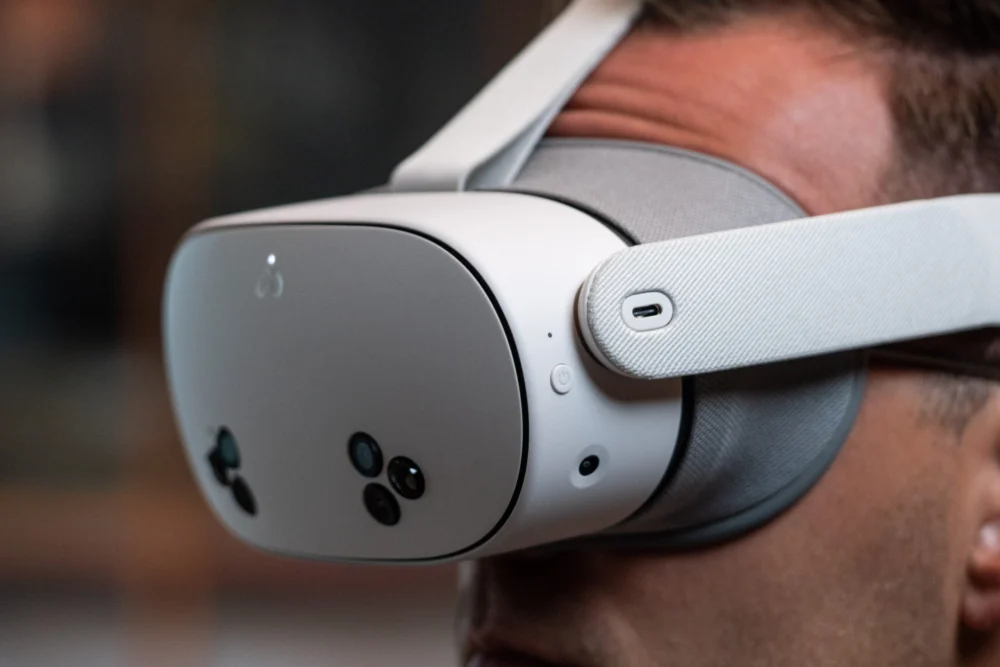
In a significant strategic recalibration, Meta Platforms Inc. has announced the discontinuation of its dedicated virtual reality collaboration platform for businesses, Horizon Workrooms, signaling a dramatic shift away from its initial vision of a VR-centric work environment. This move, coupled with the cessation of sales for business-oriented VR hardware and managed services, suggests a profound re-evaluation of the company’s long-term metaverse strategy, with a pronounced pivot towards more accessible and mobile-first digital experiences.
The announcement, tucked away in a less conspicuous section of Meta’s support documentation, reveals that Horizon Workrooms will cease to function as a standalone application on February 16, 2026. This marks a definitive end to an ambitious project introduced by Meta CEO Mark Zuckerberg himself in the months preceding the company’s rebrand from Facebook. At its inception, Horizon Workrooms was heralded as the vanguard of a new era of remote collaboration, promising to dissolve geographical barriers and foster a more immersive and engaging virtual workplace through the use of VR headsets. The platform aimed to enable teams to meet, brainstorm, and interact within a persistent virtual space, complete with avatars and spatial audio, intended to replicate the serendipitous encounters and collaborative energy of a physical office.

Further underscoring this strategic pivot, Meta has also declared its intention to halt the sale of Meta Horizon managed services and commercial editions of its Meta Quest headsets, effective February 20, 2026. This dual action signifies a clear departure from the enterprise market for its VR hardware and associated software services, suggesting that the company no longer views this sector as a primary growth engine for its metaverse ambitions. The decision follows a period of substantial organizational restructuring within Meta, most notably the recent layoffs impacting approximately 10% of its Reality Labs division, a unit dedicated to the development of virtual and augmented reality technologies. Over a thousand jobs were eliminated, indicating a significant reassessment of resource allocation and project prioritization within the company.
The implications of these decisions are far-reaching, suggesting that Zuckerberg’s interpretation of the "metaverse" has evolved considerably. While the initial emphasis was heavily on full virtual reality immersion, the recent strategic adjustments point towards a future where the metaverse concept is more broadly interpreted, encompassing mobile platforms and augmented reality smart glasses, rather than being exclusively tethered to bulky VR headsets. This nuanced understanding aligns with a growing trend in the digital landscape, where the accessibility and ubiquity of mobile devices are increasingly leveraged to deliver persistent digital experiences.
The dismantling of Meta’s VR business initiatives extends beyond Workrooms. Recent reports have confirmed the closure of three VR game studios acquired by Meta, with additional divestitures and studio closures also coming to light. This includes the discontinuation of future development for "Supernatural," a prominent VR fitness application, and the reported dismantling of the studio responsible for "Batman: Arkham Shadow," further illustrating a significant retrenchment from its previous aggressive expansion in the VR content creation space. These moves paint a picture of a company consolidating its efforts and shedding underperforming or strategically misaligned ventures.

The future of Meta’s flagship social VR platform, Horizon Worlds, now stands at a crossroads. However, there are indications that this particular VR experience might endure, largely due to its strategic advantage of being accessible on mobile devices. Meta CTO Andrew Bosworth has reportedly communicated internally that the Horizon team will "double down on bringing the best Horizon experiences and AI creator tools to mobile." This suggests a recognition that the most effective pathway to widespread metaverse adoption may lie in leveraging existing mobile ecosystems rather than forcing users into dedicated VR hardware.
This strategic reorientation is corroborated by external reports, including analyses from Bloomberg, which suggest that Meta’s metaverse development will indeed continue, but with a pronounced emphasis on mobile integration rather than the fully immersive VR headsets that were initially envisioned. While the term "metaverse" itself, coined by Neal Stephenson in his novel "Snow Crash," originally described a fully immersive, persistent virtual world, Meta’s current trajectory indicates a pragmatic adaptation of the concept. This adaptation acknowledges the growing influence of platforms like Fortnite, which, despite lacking the full VR immersion of Stephenson’s vision, are widely considered metaverse-like digital spaces due to their persistent social interactions and user-generated content.
The impact of this shift is particularly poignant for early adopters and enthusiasts of virtual reality technology, especially those who invested in Oculus VR prior to its acquisition by Facebook. The ambitious expansion into VR content creation through studio acquisitions now appears to be yielding to a more cautious and diversified approach. It suggests that the primary demographic for Meta’s current VR headsets may be shifting towards younger users, such as teenagers and children, making the business-to-business VR market a less attractive investment compared to broader consumer engagement strategies.

The abrupt closure of Meta Workrooms on February 16, 2026, will necessitate the deletion of all associated data, a critical point for businesses that may have integrated the platform into their workflows. Meta is now directing users towards alternative collaboration solutions such as Arthur, Microsoft Teams, and Zoom Workplace. Notably, the Meta Quest Remote Desktop application will remain available, offering a way for users to simulate multiple virtual monitors within their VR headsets, catering to a niche demand for enhanced productivity within a virtual environment.
For existing customers of Meta Horizon managed services, provisions have been made for continued access until January 4, 2030. Furthermore, existing licenses will become complimentary following February 16th of the current year, a move that likely aims to mitigate disruption for current enterprise clients while the company transitions its focus.
This strategic pivot by Meta reflects a broader industry trend where the initial hype surrounding fully immersive virtual worlds is giving way to more practical and accessible digital integrations. The metaverse, rather than being a singular, monolithic VR experience, is evolving into a spectrum of interconnected digital spaces, with mobile and augmented reality technologies playing increasingly central roles. Meta’s decision to scale back its enterprise VR ambitions and reorient towards mobile-first metaverse experiences signals a pragmatic response to market dynamics and evolving user behaviors, suggesting that the future of digital interaction may be less about escaping to virtual worlds and more about enhancing our existing reality with digital layers. The company’s substantial investment in AI development, particularly in generative AI, is also likely to play a crucial role in shaping its future metaverse offerings, potentially enabling more dynamic and personalized digital experiences across all platforms. This evolution from a VR-centric vision to a mobile-first, AI-augmented approach underscores the inherent fluidity of technological innovation and the imperative for major tech companies to adapt to a constantly shifting landscape. The success of this new direction will hinge on Meta’s ability to translate its ambitious metaverse concepts into tangible, user-friendly applications that resonate with a mass audience, leveraging the ubiquity of smartphones and the burgeoning capabilities of artificial intelligence.




 Lisa Mariana
 Safa Marwah
 Ayu Aulia