Lisa Mariana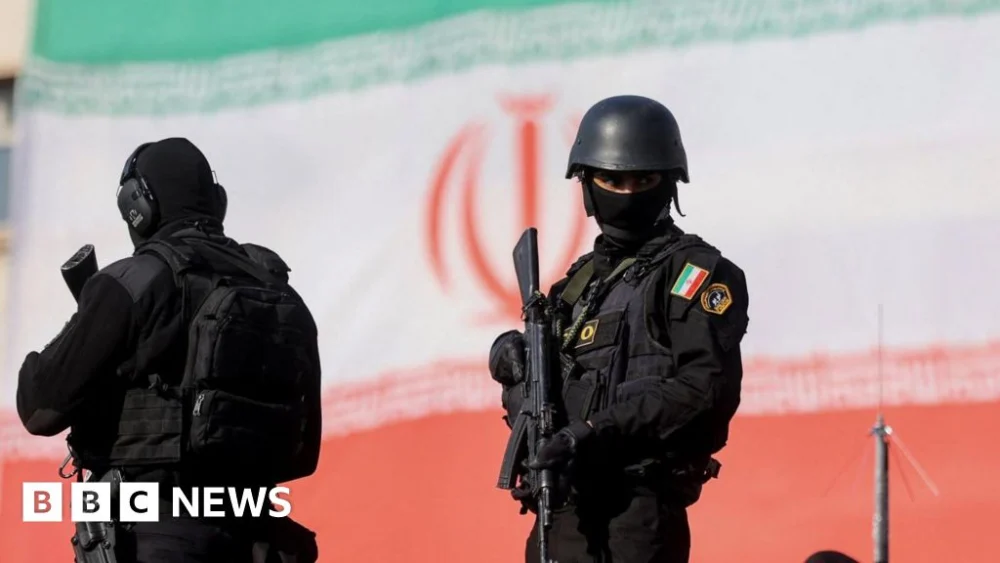
A profound humanitarian crisis is unfolding across Iran, where a fierce government suppression of nationwide protests has reportedly claimed the lives of over 2,000 individuals, igniting urgent calls for international action and prompting a direct pledge of support from the United States. The escalating casualty figures, derived from independent human rights organizations and even acknowledged by some Iranian officials, underscore the severity of the confrontation that has gripped the Islamic Republic for weeks.
For nearly three weeks, Iran has been a crucible of dissent, ignited by a precipitous decline in its national currency and a skyrocketing cost of living. What began as localized economic grievances swiftly transmuted into a broad-based movement demanding fundamental political transformation, posing one of the most formidable challenges to the ruling clerical establishment since the 1979 Islamic Revolution. The authorities’ response has been characterized by extreme force, often veiled by a near-total blackout of internet and communication services, making independent verification of events extraordinarily difficult.
The Human Rights Activists News Agency (HRANA), a US-based organization meticulously tracking the unrest, has provided some of the most comprehensive, albeit chilling, statistics. As of Tuesday afternoon, HRANA had confirmed the deaths of at least 2,003 individuals, including 1,850 protesters, 135 government-affiliated personnel, nine uninvolved civilians, and nine children. The agency indicated that it was actively reviewing an additional 779 reported fatalities, suggesting the final toll could be considerably higher. Skylar Thompson, Deputy Director of HRANA, conveyed the organization’s grim assessment to the Associated Press, stating, "We’re horrified, but we still think the number is conservative," highlighting the immense challenges in compiling accurate data amidst the widespread repression.
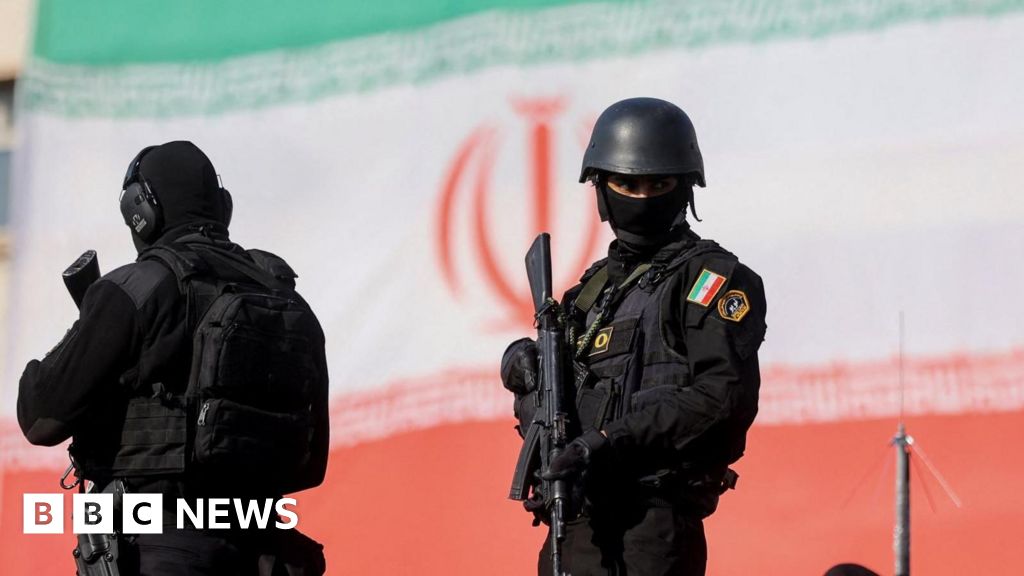
Adding another layer to the complex picture, an anonymous Iranian official reportedly informed Reuters that approximately 2,000 people had perished. However, in a stark divergence from human rights groups, this official attributed the casualties primarily to "terrorists," encompassing both protesters and security forces. This narrative aligns with the government’s consistent efforts to delegitimize the protest movement, portraying it as externally manipulated and violent rather than an organic expression of popular discontent.
Another prominent watchdog, the Norway-based Iran Human Rights (IHR), offered a more conservative, yet equally alarming, confirmed death toll of at least 734 protesters. Mahmood Amiry-Moghaddam, the director of IHR, emphasized the preliminary nature of these figures, explaining to AFP news agency that they were "based on information received from fewer than half of the country’s provinces and fewer than 10% of Iran’s hospitals." He further cautioned, "The real number of those killed is likely in the thousands," echoing HRANA’s sentiment that the true scale of the bloodshed remains largely obscured.
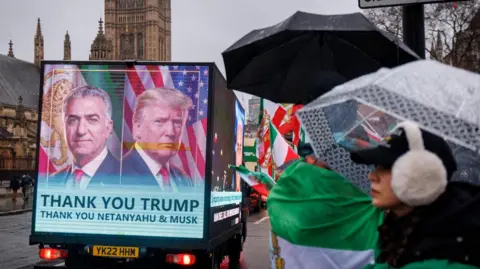
Internationally, the crisis has drawn sharp condemnation, particularly from the United States. Former President Donald Trump, in a series of highly charged public statements, promised Iranians that "help is on its way." He explicitly warned Iranian authorities that they would "pay a big price" for the killings and exhorted the populace to "keep protesting." Trump also declared a halt to all meetings with Iranian officials until the "senseless killing of protesters STOPS," reinforcing his administration’s confrontational stance. His remarks also included the acronym "MIGA," an adaptation of the US-based Iranian opposition slogan "Make Iran Great Again," signaling a clear alignment with anti-regime sentiments.
The White House convened a meeting of Trump’s national security team to deliberate on potential responses to the escalating crackdown. US defense officials, speaking to CBS News, revealed that Trump had been presented with a comprehensive array of strategic tools, ranging from overt long-range missile strikes and sophisticated cyber operations to extensive psychological campaign responses. This consideration of diverse military and covert options underscores the gravity with which Washington views the situation, building upon earlier measures such as the announcement of 25% tariffs on any nation engaging in trade with Iran. The US had previously engaged in military action against Iran, including air strikes on key nuclear facilities during a 12-day conflict between Iran and Israel in June, indicating a precedent for direct intervention.
Iranian Foreign Minister Abbas Araghchi, in an interview with Al Jazeera, affirmed Iran’s readiness for diplomatic engagement but also issued a veiled warning regarding military options. He stated that Iran was prepared "if the US wanted to test the military option which it had tested in the past," referencing historical confrontations. Araghchi reiterated the government’s position that it had attempted dialogue with protesters but was ultimately compelled to act due to "trained terrorist groups" operating from abroad who had allegedly infiltrated the demonstrations and targeted security forces.
This narrative was strongly supported by Supreme Leader Ayatollah Ali Khamenei, who, addressing state-organized rallies across the country, asserted that authorities had "neutralised the plans by foreign enemies that were meant to be performed by domestic mercenaries." This consistent framing by Iranian leadership seeks to deflect internal responsibility for the unrest and justify the severe measures taken against the protesters.
The international community’s alarm has been palpable. In London, UK Foreign Secretary Yvette Cooper took the significant diplomatic step of summoning the Iranian ambassador to protest "the horrendous and brutal killing of Iranian protesters." This move signals a coordinated international effort to exert pressure on Tehran.
The United Nations has also voiced profound concerns. Volker Türk, the UN human rights chief, issued an urgent appeal to Iranian authorities to "halt all forms of violence and repression against peaceful protesters immediately." His office expressed particular alarm over the Iranian government’s practice of labeling protesters as "terrorists" to justify violence, deeming it "unacceptable." Furthermore, Türk highlighted the "extremely worrying" implications of statements from Iranian officials suggesting the potential use of the death penalty against protesters through expedited trials, a practice that severely contravenes international human rights standards.
The judicial crackdown in Iran has been swift and severe. Judiciary chief Gholamhossein Mohseni Ejei publicly stated that those involved in the unrest would be "dealt with seriously and severely." Prosecutors have indicated that some individuals will face charges of "enmity against God," a grave national security offense under Iranian law that carries the ultimate penalty of death. HRANA reports that more than 16,780 protesters have been arrested since the protests began, signaling a massive campaign of detention aimed at quelling dissent.
One particularly distressing case involves a 26-year-old man, Erfan Soltani, who was reportedly detained last Thursday and subsequently sentenced to death in what his family and the Norway-based Kurdish human rights group Hengaw describe as an extraordinarily rapid judicial process. A relative informed BBC Persian that "in an extremely rapid process, within just two days, the court issued a death sentence, and the family was told that he is due to be executed [this] Wednesday." Awyar Shekhi of Hengaw commented, "We have never witnessed a case move so quickly. The government is using every tactic they know to suppress people and spread fear." The prospect of executions has further intensified international outrage. President Trump, addressing CBS News, issued a stark warning: "If they hang them, you’re going to see some things… We will take very strong action if they do such a thing."
Gauging the true extent of the violence and its human cost remains an immense challenge due to the pervasive internet blackout and the severe restrictions on international news organizations reporting from within Iran. However, harrowing glimpses have emerged through leaked footage and eyewitness accounts. Videos circulated online depicted scenes of profound grief and horror at the Kahrizak Forensic Centre in Tehran, where individuals searched for missing loved ones. Footage from Sunday showed at least 180 shrouded bodies and body bags, with another video from Monday revealing approximately 50 more. An activist conveyed the traumatic experience of a friend, stating, "My friend went there [Kahrizak] to look for his brother, and he forgot his own sorrow. They piled up bodies from every neighbourhood… So you go to your address pile and search there. You don’t know a fraction of the level of violence that’s been used."
Hospitals in the capital are reportedly overwhelmed by the influx of casualties. Prof. Shahram Kordasti, an Iranian oncologist based in London, relayed a message from a colleague in Tehran to the BBC’s Newsday program, describing the situation: "In most hospitals, it’s like a warzone. We are short of supplies, short of blood." He added that doctors at "two to three hospitals" had confirmed treating hundreds of injured or deceased individuals. An Iranian residing in Rasht, a city near the Caspian Sea coast, painted a grim picture of their surroundings, stating, "Everywhere is burnt with fire."
The UN’s Volker Türk also reiterated demands for Iranian authorities to restore full internet and communication services, highlighting their crucial role in transparency and accountability. While some international calls from Iran reportedly managed to connect on Tuesday, the internet shutdown had by then persisted for over 120 hours, according to monitor NetBlocks. Reports from individuals with access to satellite services like Starlink describe a pervasive atmosphere of surveillance, with "checkpoints in every block" where security forces inspect cars and confiscate phones.
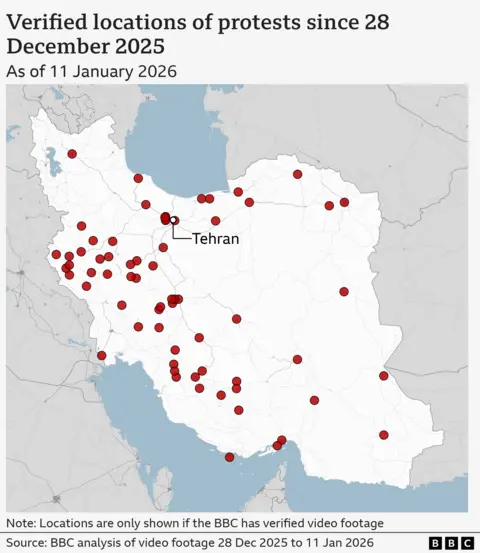
Despite the severe repression, new videos have continued to surface, offering rare glimpses into the ongoing resistance. BBC Persian verified footage of protests in central Arak and western cities including Tabriz, Urmia, and Khorramabad. In a particularly visceral video from Khorramabad, the sounds of gunfire punctuated clashes between security forces and protesters, who could be seen throwing stones. The chants captured in these videos reveal the depth of anti-government sentiment, with slogans like "Death to the dictator," a direct reference to Ayatollah Khamenei, alongside "Reza Shah, may your soul rest in peace," referencing the late monarch Mohammad Reza Pahlavi, overthrown in 1979, whose exiled son Reza Pahlavi remains a symbolic figure for some opposition elements.
The convergence of widespread economic distress, severe state repression, and growing international condemnation places Iran at a critical juncture. The regime’s determination to crush dissent, coupled with the protesters’ unwavering demands for change, suggests a protracted and potentially bloodier confrontation. The international community, grappling with the complexities of intervention and the imperative to protect human rights, faces difficult choices in navigating this volatile crisis, the implications of which could reverberate far beyond Iran’s borders.

 Aura Kasih
 Safa Marwah
 Ayu Aulia