Ridwan Kamil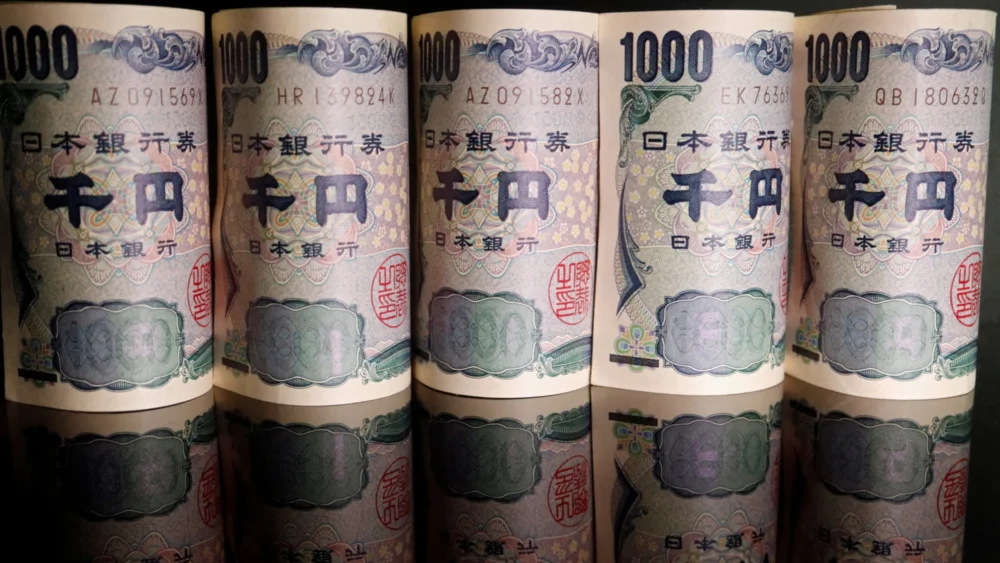
Tokyo’s stock markets experienced a significant upswing, driven by renewed speculation surrounding a potential shift in leadership and the resurgence of a specific investment strategy associated with a prominent political figure. This surge highlights the intricate relationship between Japanese politics and financial market sentiment, particularly the enduring influence of policy expectations on investor behavior.
The Japanese Nikkei 225 index has demonstrated robust performance in recent trading sessions, reflecting a palpable shift in investor confidence. This uptick is not merely a function of broad market trends but appears to be intrinsically linked to the evolving political landscape within Japan. Specifically, the prospect of a leadership contest and the potential return to prominence of figures advocating for distinct economic policies have ignited a wave of speculative activity, most notably the revival of what market participants have dubbed the "Takaichi trade."
This "Takaichi trade" refers to an investment strategy that gained traction during previous periods when Sanae Takaichi, a conservative politician within the ruling Liberal Democratic Party (LDP), was a more prominent contender for leadership. Takaichi’s policy platform has historically emphasized fiscal conservatism, a strong national defense, and a focus on domestic industries, often advocating for measures that could potentially influence currency valuations and domestic consumption patterns. Investors who anticipate her influence, or the adoption of similar policies by any future leader, tend to position their portfolios accordingly. This often involves favoring companies that stand to benefit from increased domestic demand, government spending on infrastructure or defense, or a weaker yen which boosts export competitiveness.
The current market momentum suggests that investors are once again factoring in the possibility of policies aligned with Takaichi’s past pronouncements. This anticipation is fueling demand for specific sectors and companies deemed to be beneficiaries of such an economic agenda. For instance, companies involved in domestic manufacturing, construction, and defense procurement are experiencing heightened interest. Furthermore, the prospect of policies that might prioritize national economic resilience over aggressive international integration can lead to a reassessment of currency expectations, with a potential for a weaker yen becoming a favored scenario for exporters.
However, the underlying drivers of this market movement are complex and multifaceted. While political speculation provides a clear catalyst, broader economic factors and global market dynamics also play a crucial role. Japan’s economy, while showing signs of recovery, continues to grapple with long-standing challenges such as deflationary pressures, an aging population, and the need for structural reforms. Investor sentiment is therefore a delicate balance between anticipating policy shifts and assessing the fundamental economic realities.
The "Takaichi trade" is not a monolithic strategy but rather encompasses a range of investment decisions predicated on specific policy outcomes. At its core, it represents a bet on a potential shift away from the more globally oriented, Abenomics-style stimulus measures that have characterized recent Japanese economic policy. Instead, it signals a preference for policies that might bolster domestic economic activity and national security. This could translate into increased government spending on infrastructure projects, defense modernization, and support for key domestic industries. Such a fiscal approach, if enacted, could stimulate demand and potentially lead to higher corporate earnings for select companies.
Furthermore, the foreign exchange market is a critical component of the "Takaichi trade." A weaker yen, which is often a consequence of policies prioritizing domestic concerns and potentially diverging from global monetary policy trends, can significantly enhance the competitiveness of Japanese exports. This would directly benefit large multinational corporations that derive a substantial portion of their revenue from overseas sales. The anticipation of such currency movements can lead to a pre-emptive buying of Japanese equities by both domestic and international investors seeking to capitalize on this trend.
The current political climate, characterized by internal party dynamics and the potential for leadership challenges, has created an environment where such speculative trades can flourish. Investors are keenly observing every development, from parliamentary debates to public opinion polls, as these can influence the perceived likelihood of different political outcomes. The market’s reaction underscores the fact that in Japan, political stability and policy direction are not merely abstract concepts but have tangible and immediate impacts on financial markets.
The resurgence of the "Takaichi trade" also reflects a broader debate within Japan about the optimal path for economic growth and national development. While some advocate for continued integration with the global economy and adherence to international norms, others, including those who are drawn to Takaichi’s platform, argue for a stronger emphasis on self-reliance and the protection of national interests. This ideological divergence is playing out not only in the political arena but also in the investment decisions being made by market participants.
From an analytical perspective, the current market surge warrants careful scrutiny. While speculative capital can create short-term gains, a sustainable market recovery requires a foundation of genuine economic growth and structural reforms. The effectiveness of any policy shifts inspired by the "Takaichi trade" will ultimately depend on their implementation and their ability to address Japan’s underlying economic challenges. For instance, increased government spending, while potentially boosting short-term demand, could exacerbate fiscal deficits if not accompanied by prudent fiscal management. Similarly, a weaker yen, while beneficial for exporters, can increase the cost of imports and potentially fuel inflation, which could negatively impact consumers and businesses reliant on imported goods.
The implications of this political-economic nexus extend beyond the immediate market performance. A sustained shift towards policies that prioritize domestic concerns could alter Japan’s role in the global economy. It might lead to a re-evaluation of trade agreements, foreign investment policies, and international alliances. Investors, therefore, need to consider not only the direct impact on specific companies but also the broader geopolitical and economic ramifications of any significant policy changes.
The future outlook for the Japanese stock market will likely remain closely tied to the evolving political narrative. Should the prospect of leadership changes or policy shifts aligning with the "Takaichi trade" gain further traction, it could sustain the current upward trend. Conversely, any developments that dampen these expectations or introduce new uncertainties could lead to a reversal. Moreover, the global economic environment, including interest rate trends in major economies and geopolitical risks, will continue to exert influence on Japanese equities.
In conclusion, the recent surge in Japanese stock markets is a clear manifestation of how political speculation can translate into tangible investment strategies. The re-emergence of the "Takaichi trade" highlights the market’s anticipation of potential policy shifts that could favor domestic industries and influence currency valuations. While this trend presents opportunities for certain investors, a comprehensive understanding of the underlying economic fundamentals and the broader implications of any policy changes is crucial for navigating this dynamic market landscape. The interplay between politics and economics in Japan remains a key determinant of its financial market performance, demanding constant vigilance and astute analysis from market participants.



 Aura Kasih
 Safa Marwah
 Ayu Aulia