Ridwan Kamil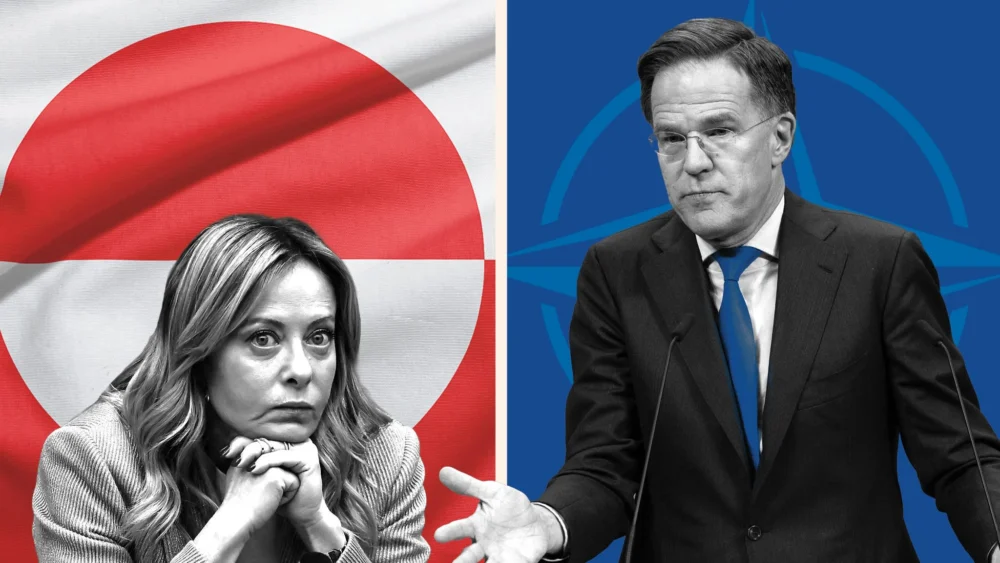
The strategic silence from the North Atlantic Treaty Organization (NATO) regarding former U.S. President Donald Trump’s audacious proposal to acquire Greenland has sent ripples of unease through its European member states, exposing underlying anxieties about alliance cohesion and the unpredictable nature of American foreign policy under his potential future leadership.
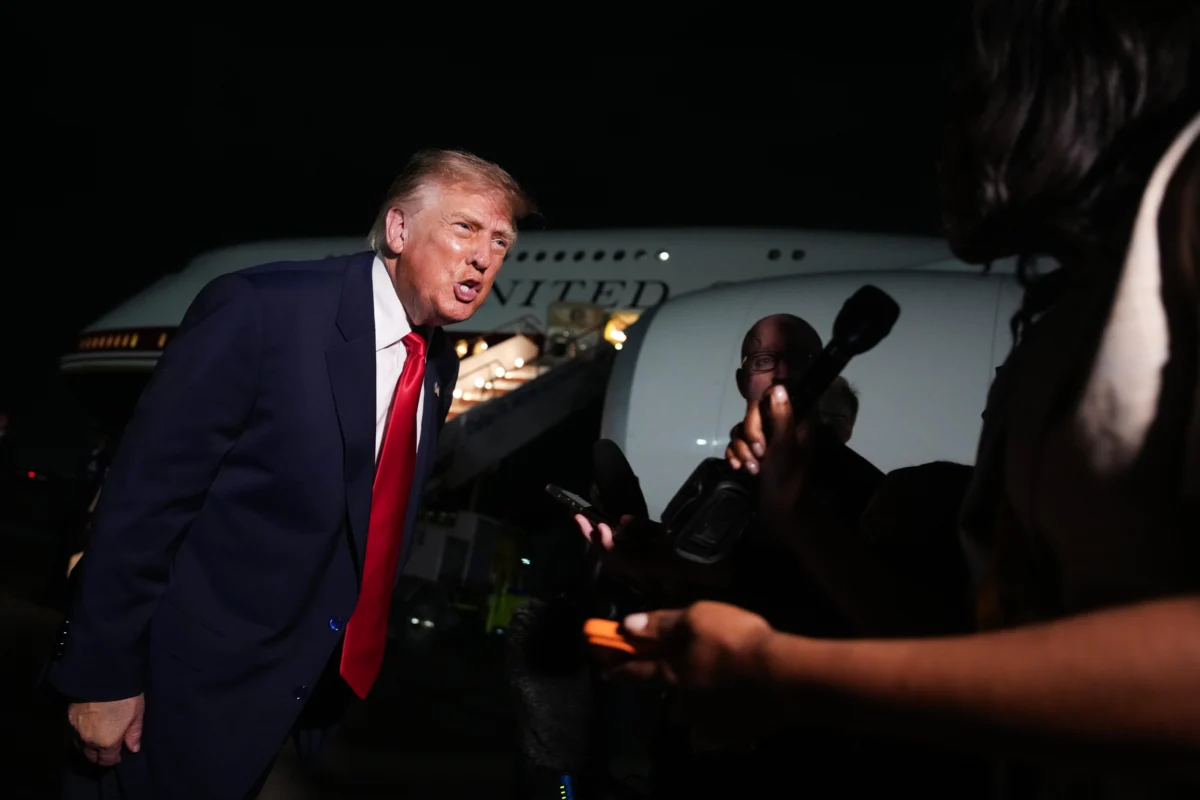
The mere suggestion by Donald Trump, during his presidency, that the United States might purchase Greenland from Denmark, a NATO ally, was met with a mixture of disbelief and concern across Europe. While Denmark firmly rejected the idea, characterizing it as "absurd," the incident served as a stark illustration of how individual pronouncements from a U.S. leader, particularly one with a transactional approach to international relations, could potentially destabilize established alliances and create diplomatic fissures. NATO, as an organization, maintained a public reticence, a stance that, while perhaps strategically pragmatic in not dignifying a seemingly outlandish proposal, has been interpreted by some European capitals as a tacit acknowledgment of the disruptive potential of such rhetoric, and an implicit admission of its inability or unwillingness to present a united front against such unexpected and potentially destabilizing American initiatives. This silence, in the eyes of some European observers, amplified the apprehension that the bedrock of transatlantic security, long predicated on mutual trust and shared strategic objectives, could be subjected to the whims of individual political agendas.
The episode surrounding Trump’s Greenland gambit, however, transcended a mere diplomatic gaffe. It illuminated a deeper strategic quandary for NATO: how to maintain its collective security and operational effectiveness when a key member nation’s leadership demonstrates a willingness to engage in unilateral, potentially disruptive actions that could undermine the very foundations of the alliance. For European allies, the silence from Brussels was not merely a passive observation but an active source of concern. It signaled a potential lack of preparedness, or perhaps an unwillingness, to directly confront and counter the implications of such a radical departure from traditional diplomatic norms. The absence of a robust, unified NATO response left many European capitals feeling exposed, grappling with the implications of a scenario where the alliance’s strategic direction could be imperiled by the pronouncements of a single leader, irrespective of the broader consensus among member states. This perceived vulnerability, in turn, fueled a renewed debate about the future of transatlantic security architecture and the imperative for Europe to cultivate greater strategic autonomy.
The roots of this unease can be traced to a broader pattern of behavior observed during Trump’s presidency, which frequently challenged established international norms and institutions. His questioning of NATO’s collective defense commitments, his imposition of tariffs on allied nations, and his transactional approach to diplomacy created an atmosphere of uncertainty that resonated deeply within European security circles. The Greenland episode, therefore, was not an isolated incident but rather a salient example of a recurring theme: the potential for unilateral American actions to disrupt the delicate balance of the transatlantic alliance. European leaders, accustomed to a predictable and multilateral U.S. foreign policy, found themselves navigating a landscape where strategic decisions could be driven by personal whims rather than carefully considered geopolitical assessments. This unpredictability fostered a sense of strategic drift, prompting many to re-evaluate the reliability of long-term U.S. security guarantees and to consider alternative pathways for ensuring their own defense and stability.
The strategic significance of Greenland itself cannot be overstated, adding another layer of complexity to the diplomatic maneuvering. As the world’s largest island and a territory of immense geopolitical importance, Greenland occupies a critical position in the Arctic region. Its strategic location, bordering the North Atlantic and Arctic Oceans, provides unparalleled access to vital shipping lanes, including those that would be opened by the melting of Arctic ice caps due to climate change. Furthermore, Greenland possesses significant natural resources, including rare earth minerals essential for modern technology, and potential reserves of oil and natural gas. The prospect of any single nation, particularly one with a declared interest in asserting global dominance, gaining unilateral control over such a strategically vital territory, would inevitably reshape the geopolitical calculus of the Arctic and beyond. The potential for military basing, resource exploitation, and increased strategic influence in a rapidly militarizing Arctic region would present a considerable challenge to the existing security order, a concern that NATO, as a defense alliance, should theoretically be at the forefront of addressing.
The silence from NATO on Trump’s Greenland proposal can be dissected through several lenses. Firstly, it may reflect a deliberate attempt to avoid dignifying a proposal that was widely considered outlandish and unlikely to materialize. Engaging directly could have inadvertently lent it a degree of legitimacy, potentially prolonging a distracting and unproductive diplomatic episode. Secondly, the alliance may have opted for a strategy of quiet diplomacy, addressing concerns through bilateral channels rather than public pronouncements. This approach, while less visible, can sometimes be more effective in managing sensitive diplomatic issues among allies. However, the lack of public affirmation of core alliance principles and the commitment to existing territorial integrity of member states created a vacuum that was filled with speculation and apprehension.
A more critical interpretation suggests that NATO’s reticence highlighted a structural vulnerability within the alliance. The organization’s decision-making processes, while designed for consensus, can sometimes lead to a cautious, even hesitant, response to unconventional challenges. In situations where a powerful member nation’s leadership departs from established norms, the alliance may struggle to articulate a unified and decisive counter-narrative. This can lead to a perception of weakness or indecision, emboldening actors who seek to exploit such divisions. The need for NATO to develop more agile and responsive mechanisms for addressing non-traditional security threats, including those emanating from within the alliance itself, became increasingly apparent.
The implications of this strategic silence extend far beyond the immediate incident. For European allies, it underscored the imperative of strengthening their own defense capabilities and fostering greater strategic autonomy. While relying on the U.S. security umbrella has been a cornerstone of European defense for decades, the perceived unpredictability of American foreign policy necessitates a more robust European pillar within NATO and the development of independent strategic options. This includes enhancing military interoperability, investing in advanced defense technologies, and fostering closer cooperation on intelligence sharing and crisis management. The aim is not to diminish the transatlantic alliance, but to ensure its resilience and effectiveness in an evolving global security landscape.
Furthermore, the incident served as a potent reminder of the interconnectedness of security and economic interests in the Arctic. The potential for increased geopolitical competition over resources and strategic waterways in the region demands a coordinated response from NATO allies. A fragmented approach, where individual member states pursue divergent interests, could weaken the collective security posture and create opportunities for adversarial powers to exploit these divisions. The need for a unified NATO strategy for the Arctic, encompassing defense, environmental protection, and sustainable development, is more pressing than ever.
Looking ahead, the strategic silence surrounding Trump’s Greenland pronouncements offers valuable lessons for NATO. It highlights the critical importance of clear communication, consistent reaffirmation of alliance principles, and the development of robust mechanisms for addressing unpredictable challenges. The alliance must find ways to navigate the complexities of differing national interests and leadership styles without compromising its core mission of collective defense. This will require a renewed commitment to open dialogue, a willingness to confront difficult questions, and a collective determination to uphold the values and principles that have underpinned transatlantic security for over seven decades. The future of NATO’s credibility and effectiveness hinges on its ability to adapt to these evolving dynamics and to project a united and resolute front in the face of emerging threats and opportunities. The strategic silence, in this context, must be transcended by a clear and unwavering commitment to the shared security and prosperity of all its members. The geopolitical landscape of the 21st century demands an alliance that is not only capable of responding to external aggression but also resilient enough to withstand internal strains and to articulate a cohesive vision for the future, ensuring that the vital interests of its member states are safeguarded in an increasingly complex world. The Arctic, with its burgeoning strategic importance, serves as a critical test case for this adaptive capacity, demanding a unified and forward-thinking approach from all members of the transatlantic community.

 Aura Kasih
 Safa Marwah
 Ayu Aulia