
 Ridwan Kamil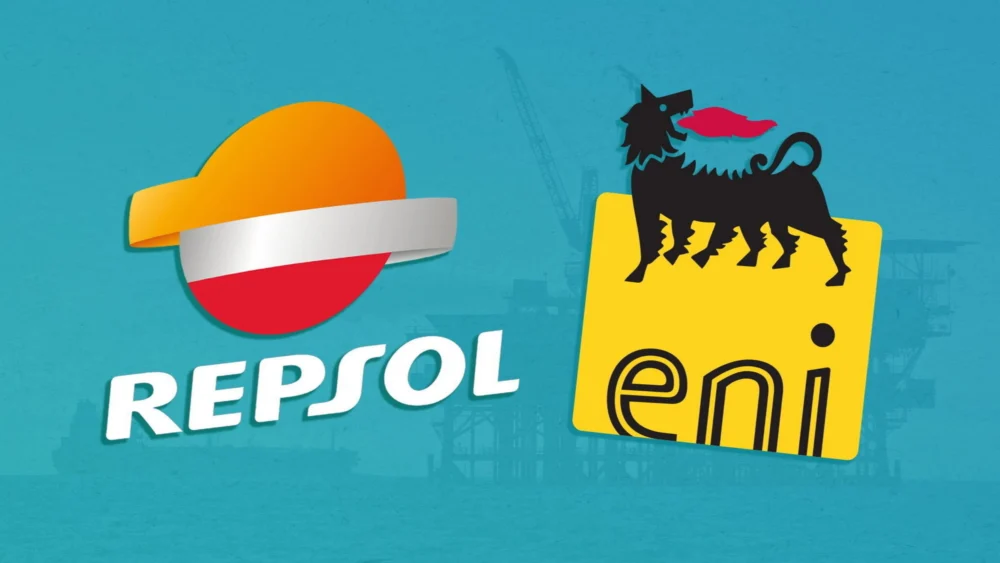
Major international energy corporations Eni and Repsol are locked in a high-stakes battle to recover an estimated $6 billion in outstanding payments from Venezuela, a situation highlighting the profound financial and operational challenges inherent in navigating the South American nation’s complex and volatile energy sector.
The protracted dispute centers on the Venezuelan government’s failure to disburse substantial sums owed to these Italian and Spanish energy firms for their contributions to the country’s vital oil and gas production. This significant financial overhang not only impacts the immediate profitability of these global players but also casts a long shadow over future investment prospects in Venezuela, a nation endowed with some of the world’s largest hydrocarbon reserves. The current impasse underscores the persistent difficulties international companies face in securing reliable revenue streams and operating under the prevailing economic and political climate in Caracas.
A Deepening Financial Chasm: Unpacking the $6 Billion Debt
The staggering $6 billion figure represents a substantial financial burden for Eni and Repsol, representing accumulated revenues generated from their joint ventures and production activities within Venezuela. These payments, accrued over an unspecified but evidently lengthy period, are crucial for the companies’ cash flow and investment strategies. The non-payment by the Venezuelan state, through its national oil company Petróleos de Venezuela S.A. (PdVSA), has created a significant financial vacuum, compelling these energy majors to explore every avenue for recovery.
The complexity of this situation is amplified by Venezuela’s ongoing economic crisis, marked by hyperinflation, sanctions, and a deeply entrenched political instability. These factors have severely constrained the government’s ability to meet its financial obligations, even to its strategic partners in the energy sector. For Eni and Repsol, the situation presents a stark dichotomy: Venezuela’s vast resource potential on one hand, and the immense risk associated with extracting and monetizing those resources on the other. The inability to repatriate earnings from such a significant operational footprint raises fundamental questions about the viability of continued engagement in the Venezuelan market.
Historical Context: The Shifting Sands of Venezuelan Energy Policy
Understanding the current standoff requires a look back at Venezuela’s oil and gas history. For decades, Venezuela was a powerhouse in the global energy market, a cornerstone of OPEC, and a significant supplier to the United States. Its vast reserves, particularly of heavy crude, attracted substantial foreign investment. Major international oil companies, including those now seeking payment, were instrumental in developing and operating many of the country’s key oil fields through joint ventures with PdVSA.
However, the political landscape began to shift dramatically with the rise of Hugo Chávez in the late 1990s. His administration embarked on a path of nationalization and increased state control over the energy sector, seeking to redirect oil revenues towards social programs. While initially boosting production and state income, this policy shift gradually eroded the operating environment for foreign companies. Contract renegotiations, increased state participation, and a growing tendency to prioritize domestic needs over contractual obligations began to sow the seeds of future payment disputes.
The subsequent administrations have largely continued this trend, with economic mismanagement and political purges within PdVSA exacerbating the decline of the country’s oil industry. Production plummeted from its historical highs, infrastructure deteriorated, and the government’s financial capacity to meet its international obligations, including payments to energy partners, became increasingly precarious. The current debt to Eni and Repsol is a direct consequence of this sustained period of economic and political turbulence, compounded by the impact of international sanctions aimed at pressuring the Maduro government.
The Mechanics of Non-Payment: Sanctions, Sanctions Relief, and Shifting Dynamics
The specific mechanisms behind the non-payment are multifaceted. While Venezuela’s economic woes are a primary driver, the imposition of U.S. sanctions has added another layer of complexity. These sanctions, designed to isolate the Maduro regime, have complicated financial transactions and limited PdVSA’s ability to freely access international markets and financial institutions.
However, there have been periods of targeted sanctions relief, particularly for companies like Eni and Repsol, which have been granted specific licenses by the U.S. Treasury Department. These licenses have, at times, permitted them to continue operating and, crucially, to lift Venezuelan crude oil. The intention of these licenses has been to allow companies to extract oil for which they are owed payment, effectively using the lifted crude to offset existing debts.
Despite these licenses, the actual repatriation of funds has been fraught with challenges. The sheer volume of debt, coupled with the limited scope and duration of sanctions relief, has meant that the progress in recouping the $6 billion has been painfully slow. Furthermore, the ongoing political uncertainty and the potential for sanctions to be reimposed or altered create a perpetual state of flux, making long-term financial planning an almost impossible task for these energy majors.
Eni and Repsol’s Strategic Response: A Multi-pronged Approach
Faced with this protracted stalemate, Eni and Repsol have adopted a strategic approach that blends diplomatic engagement, legal maneuvering, and operational adjustments. Their primary objective is to secure the outstanding payments, but this is being pursued within the constraints of international law, contractual agreements, and the ever-shifting geopolitical landscape surrounding Venezuela.
Diplomatic and Legal Avenues:
- Direct Negotiations: Both companies have been engaged in continuous dialogue with Venezuelan authorities and PdVSA, seeking to reach mutually agreeable payment plans or restructuring of the debt. These negotiations are likely to be protracted and complex, given the Venezuelan government’s limited financial flexibility and its own strategic priorities.
- Arbitration and Legal Action: While not always publicly disclosed, it is probable that Eni and Repsol have explored or initiated arbitration proceedings based on the terms of their joint venture agreements. International arbitration can provide a framework for resolving disputes and enforcing financial claims, though the enforcement of any awards against a sovereign state can be challenging.
- Leveraging Sanctions Relief: As mentioned, the companies have sought and utilized licenses for oil lifting to offset their debts. This strategy, while effective to a degree, is dependent on the continued availability of such licenses and the marketability of the lifted crude. The goal is to gradually reduce the outstanding balance through direct commodity swaps, rather than immediate cash payments.
Operational Considerations:
- Maintaining Production: Despite the payment issues, Eni and Repsol have largely continued their operational activities in Venezuela. This is a strategic decision, as halting production would mean forfeiting future potential revenue and potentially losing their operational footprint altogether. They aim to maximize production within the permitted parameters, thereby generating more crude that can be used to offset their debts.
- Risk Mitigation: The companies are undoubtedly undertaking rigorous risk assessments and implementing measures to mitigate further financial exposure. This could involve limiting new capital expenditure, focusing on operational efficiencies, and maintaining a cautious approach to any expansion plans until a more stable payment environment emerges.
Expert Analysis: The Broader Implications for Venezuela and the Global Energy Market
The situation involving Eni and Repsol is symptomatic of a larger trend affecting Venezuela’s energy sector and its international economic relations.
- Deterrent to Investment: The persistent inability of Venezuela to meet its financial obligations acts as a significant deterrent to new foreign investment. Potential investors are likely to view the country as a high-risk environment, where even established players struggle to recoup their earnings. This inhibits the much-needed capital injection required to modernize PdVSA’s infrastructure and boost production.
- Impact on Global Supply: Venezuela possesses vast reserves that, if fully exploited, could significantly influence global oil supply dynamics. However, the current operational and financial constraints mean that this potential remains largely untapped, contributing to a less diversified and potentially more volatile global energy market.
- Sovereign Risk and Contractual Integrity: The ongoing payment disputes challenge the principles of sovereign risk and contractual integrity in the energy sector. When governments consistently fail to honor their financial commitments to international partners, it erodes trust and can lead to increased scrutiny and higher risk premiums for investments in such jurisdictions.
- The Role of Sanctions: The interplay between sanctions and payment recovery presents a complex policy challenge. While sanctions are intended to exert political pressure, they can inadvertently complicate the recovery of legitimate debts owed to international companies, creating unintended consequences for the energy sector and the broader economy.
The Path Forward: Uncertainty and a Long Road to Resolution
The resolution of the $6 billion payment dispute between Eni, Repsol, and Venezuela is unlikely to be swift or straightforward. Several factors contribute to this outlook:
- Venezuela’s Economic Recovery: The fundamental driver of Venezuela’s inability to pay is its ongoing economic crisis. A sustainable resolution hinges on a significant improvement in the country’s economic conditions, which in turn requires substantial political and structural reforms.
- Geopolitical Landscape: The future of international sanctions and the broader geopolitical dynamics surrounding Venezuela will continue to play a crucial role. Any shifts in these external factors can dramatically alter the operating and financial landscape for energy companies.
- Negotiation Dynamics: The negotiating positions of both Eni, Repsol, and the Venezuelan government will be critical. The companies will likely seek a comprehensive settlement that addresses the entire debt, while Venezuela will be constrained by its limited financial resources.
- Potential for Phased Recovery: A more realistic scenario might involve a phased recovery of the debt, possibly through a combination of oil-lifting arrangements, debt restructuring, and eventual cash payments as Venezuela’s economic situation improves.
In conclusion, the $6 billion standoff is more than just a financial entanglement; it is a microcosm of the profound challenges facing Venezuela’s energy sector and its engagement with the global economy. For Eni and Repsol, it represents a significant financial hurdle and a stark reminder of the risks inherent in operating within a volatile geopolitical and economic environment. The resolution of this dispute will likely be a slow and arduous process, dependent on a complex interplay of economic, political, and international factors.



 Aura Kasih
 Safa Marwah
 Ayu Aulia


