
 Aura Kasih
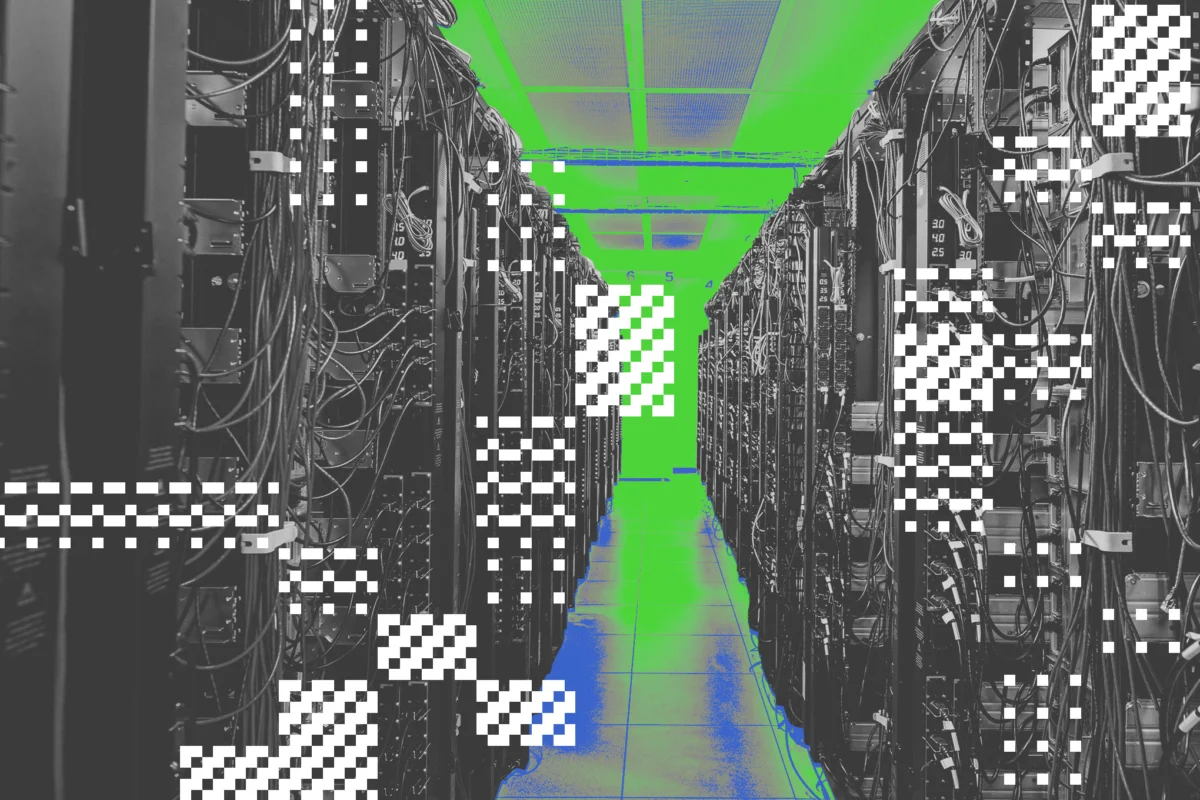
The burgeoning demand for artificial intelligence is fueling an unprecedented expansion of specialized data centers, presenting both immense opportunities and formidable challenges for global power grids, resource management, and the very fabric of digital infrastructure. This seismic shift in technological demand necessitates a comprehensive examination of the multifaceted landscape surrounding AI data center development, encompassing energy consumption, geographical distribution, technological innovation, and the evolving regulatory environment.

The relentless march of artificial intelligence, driven by increasingly sophisticated models and a burgeoning appetite for data processing, has catalyzed a construction boom in a specific type of digital infrastructure: the AI data center. These facilities are not merely extensions of traditional server farms; they are purpose-built powerhouses designed to accommodate the immense computational demands of AI workloads, from training colossal language models to powering real-time inferencing applications. This exponential growth is not without its consequences, placing significant strain on existing energy grids, prompting a reevaluation of sustainable power sourcing, and igniting critical discussions about the future of digital resource allocation and environmental stewardship.

The Pillars of AI Computation: Understanding the Data Center Evolution

Historically, data centers have served as the bedrock of the internet, housing servers, storage, and networking equipment to support a vast array of digital services. However, the advent of AI has introduced a new paradigm. AI workloads, particularly those involving deep learning and large-scale model training, are exceptionally computationally intensive. They require specialized hardware, predominantly Graphics Processing Units (GPUs), which are significantly more power-hungry than traditional CPUs. This has led to the emergence of "AI data centers" – facilities optimized for high-density computing, advanced cooling systems, and robust power delivery infrastructure.

These specialized centers are characterized by several key features:

- High-Density Computing: AI workloads necessitate a concentrated deployment of powerful processors. This translates to racks packed with GPUs, generating substantial heat and demanding sophisticated power distribution.
- Advanced Cooling Solutions: The intense heat generated by these processors requires advanced cooling technologies. Traditional air cooling is often insufficient, leading to a greater reliance on liquid cooling systems, including direct-to-chip cooling and immersion cooling, which are more efficient but also more complex and costly to implement.
- Massive Power Requirements: The most significant differentiator for AI data centers is their colossal power consumption. A single AI cluster can consume megawatts of power, comparable to a small town. This necessitates direct connections to high-voltage power grids and often requires dedicated substations.
- Scalability and Flexibility: The rapid evolution of AI necessitates data centers that can be easily scaled and reconfigured to accommodate new hardware and evolving workloads. This often involves modular designs and flexible infrastructure.
The Energy Conundrum: Powering the AI Revolution

The insatiable energy appetite of AI data centers has become a central point of contention. As these facilities proliferate, they are placing unprecedented demands on national and regional power grids. This surge in demand raises critical questions about the capacity of existing infrastructure, the reliability of power supply, and the environmental impact of sourcing this energy.

- Grid Strain and Infrastructure Investment: Many power grids were not designed to accommodate the concentrated, high-demand loads of large AI data centers. This necessitates substantial investments in grid modernization, including upgrades to transmission lines, substations, and distribution networks. In some regions, the sheer scale of demand has led to concerns about grid stability and the potential for blackouts.
- The Push for Renewable Energy: To mitigate the environmental impact and ensure a sustainable energy supply, there is a growing imperative to power AI data centers with renewable energy sources. Hyperscale cloud providers and AI companies are actively pursuing Power Purchase Agreements (PPAs) for solar, wind, and other clean energy sources. However, the intermittent nature of renewables presents challenges, often requiring complementary solutions like battery storage or reliance on a diverse energy mix.
- Water Consumption: Beyond electricity, advanced cooling systems, particularly those involving water, can also place a strain on local water resources. This is a growing concern in water-scarce regions where AI data centers are being considered or developed.
- Geographical Considerations: The availability of robust power infrastructure, affordable energy, and favorable cooling climates are increasingly dictating the geographical distribution of AI data centers. Regions with abundant renewable energy resources and stable grids are becoming prime locations for development.
Geopolitical and Economic Implications: A New Digital Frontier

The concentration of AI data centers has significant geopolitical and economic ramifications. These facilities represent critical infrastructure, akin to ports or major transportation hubs, and their strategic location and operational stability are of paramount importance.

- Economic Development and Job Creation: The construction and operation of AI data centers can stimulate local economies, creating jobs in construction, engineering, IT, and maintenance. However, the benefits are not always evenly distributed, and concerns about digital divides and the concentration of economic power persist.
- Data Sovereignty and Security: The physical location of data centers has implications for data sovereignty and security. Governments are increasingly scrutinizing where critical AI infrastructure is located to ensure compliance with national regulations and protect sensitive data.
- Technological Leadership and Competition: The race to build and operate the most advanced AI data centers is a key component of global technological competition. Nations and corporations that can effectively deploy and manage this infrastructure are poised to gain a significant advantage in the AI race.
- Supply Chain Dependencies: The construction of AI data centers relies on a complex global supply chain for specialized hardware, including GPUs, servers, and networking equipment. Disruptions to this supply chain, whether due to geopolitical tensions or manufacturing issues, can have significant impacts on deployment timelines and costs.
Technological Innovation: Driving Efficiency and Sustainability

The challenges posed by AI data center expansion are spurring significant innovation across several technological fronts. The industry is actively seeking solutions to enhance energy efficiency, optimize cooling, and improve the overall sustainability of these facilities.

- Next-Generation Processors: Manufacturers are continuously developing more energy-efficient AI chips that can deliver higher performance with lower power consumption. This includes advancements in chip architecture and materials.
- Advanced Cooling Technologies: As mentioned earlier, liquid cooling solutions are becoming increasingly sophisticated. Innovations in heat exchangers, fluid dynamics, and intelligent control systems are crucial for managing the thermal output of high-density AI hardware.
- AI for Data Center Management: Ironically, artificial intelligence itself is being employed to optimize data center operations. AI algorithms can predict power needs, manage cooling systems dynamically, identify potential equipment failures, and optimize resource utilization, leading to significant efficiency gains.
- Sustainable Building Materials and Design: Beyond energy, efforts are underway to incorporate sustainable building materials and design principles into data center construction, aiming to reduce the embodied carbon footprint of these massive structures.
- Waste Heat Recovery: Some forward-thinking data center designs are exploring ways to capture and repurpose the significant amounts of waste heat generated. This can include using the heat for district heating systems or other industrial processes, creating a more circular economy for energy.
The Regulatory Landscape: Navigating a Complex Environment

The rapid growth of AI data centers is prompting governments and regulatory bodies to take a more active role in shaping their development. This includes addressing concerns related to energy consumption, environmental impact, land use, and digital equity.

- Environmental Regulations and Permitting: Local and national governments are implementing stricter environmental regulations and permitting processes for new data center construction, particularly concerning energy consumption and water usage. This can lead to longer development cycles and increased compliance costs.
- Incentives for Green Energy: Many jurisdictions are offering incentives, such as tax breaks and subsidies, to encourage data center operators to invest in renewable energy sources and implement energy-efficient technologies.
- Zoning and Land Use Policies: The significant physical footprint and power requirements of data centers necessitate careful zoning and land use planning to avoid conflicts with residential areas or sensitive ecosystems.
- Grid Interconnection Standards: Regulatory bodies are working to establish clear standards and processes for connecting large data centers to the power grid, ensuring that these connections do not compromise grid stability.
- International Cooperation: Given the global nature of AI and data center development, there is a growing need for international cooperation on standards, best practices, and regulatory frameworks.
The Future Outlook: A Balancing Act

The trajectory of AI data center development suggests a continued, perhaps even accelerated, expansion in the coming years. The demand for AI-powered services is projected to grow exponentially, driving further investment in the underlying infrastructure. However, this growth will undoubtedly be shaped by the ongoing efforts to address the associated challenges.

The future of AI data centers will likely be characterized by a delicate balancing act between rapid technological advancement and responsible resource management. Key trends to anticipate include:

- Continued Growth and Diversification: Expect to see a sustained increase in the number and scale of AI data centers globally, with a growing diversification of operators beyond hyperscale cloud providers to include specialized AI companies and enterprises.
- Increased Focus on Edge Computing: While large, centralized AI data centers will remain crucial, there will be a parallel growth in edge computing deployments. These smaller, distributed facilities will bring AI processing closer to the source of data generation, reducing latency and improving real-time responsiveness for applications like autonomous vehicles and IoT devices.
- Integration with Smart Grids: AI data centers will become more integrated with smart grids, leveraging AI to optimize their energy consumption based on grid conditions and renewable energy availability. This will lead to more dynamic and responsive energy management.
- Circular Economy Principles: The adoption of circular economy principles, including waste heat recovery, component reuse, and sustainable decommissioning, will become increasingly important.
- Evolving Regulatory Frameworks: Governments will continue to refine and adapt regulatory frameworks to address the evolving landscape of AI data center development, focusing on sustainability, resilience, and equitable access to digital resources.
- Innovation in Cooling and Power Efficiency: The pursuit of more efficient cooling technologies and lower-power processors will remain a critical area of research and development.
In conclusion, the explosion of AI data centers represents a pivotal moment in the evolution of digital infrastructure. While the promise of AI is immense, its realization is inextricably linked to our ability to build and power these sophisticated facilities responsibly. The ongoing dialogue and innovation surrounding energy, infrastructure, and sustainability will determine whether the AI revolution ushers in an era of unprecedented technological advancement or faces significant headwinds due to resource constraints and environmental concerns. The decisions made today regarding the development and operation of AI data centers will have profound and lasting implications for our digital future and the health of our planet.




 Lisa Mariana

 Ayu Aulia