Ridwan Kamil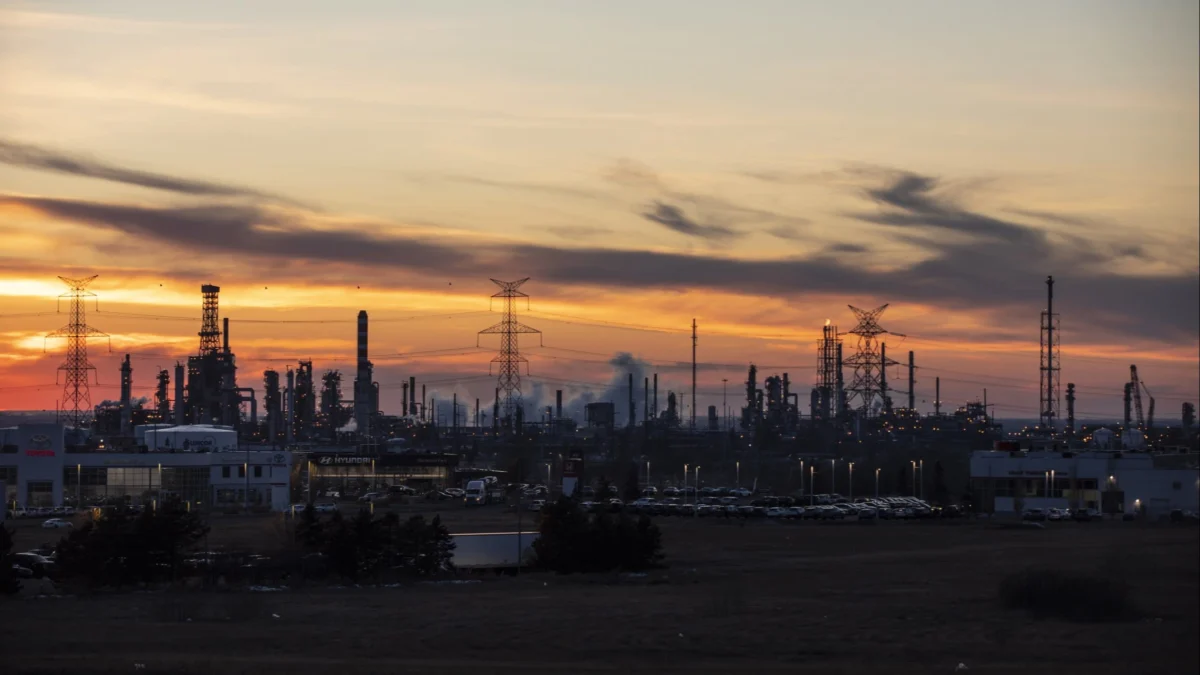
Escalating geopolitical tensions, particularly the ongoing conflict in Iran, are poised to trigger a significant financial uplift for Canada’s oil and gas sector, with projections indicating a potential windfall exceeding C$90 billion. This substantial economic injection is a direct consequence of global energy market volatility and a strategic reordering of supply chains, driven by disruptions and heightened demand for stable energy sources.
The intricate web of international relations, coupled with the persistent volatility in the Middle East, has created a fertile ground for Canadian energy producers to capitalize on a global recalibration of supply and demand dynamics. As traditional energy suppliers face uncertainty and potential production interruptions, the world’s attention is increasingly turning towards nations like Canada, which possess substantial and reliable hydrocarbon reserves. This shift in focus is not merely a fleeting market fluctuation; it represents a fundamental realignment of energy security priorities for major consuming nations, who are now actively seeking to diversify their energy portfolios and reduce reliance on politically unstable regions.
The implications of this burgeoning revenue stream extend far beyond the balance sheets of individual companies. For Canada, a nation heavily reliant on its natural resources, this projected influx of capital could stimulate significant economic growth, boost government revenues through increased taxation and royalties, and foster job creation across a spectrum of related industries. However, this opportunity also presents a complex set of challenges, including the imperative to manage environmental stewardship responsibly, navigate evolving global climate policies, and ensure that the economic benefits are equitably distributed across the country.
The Geopolitical Nexus: Iran Conflict’s Ripple Effect on Global Oil Markets
The current geopolitical landscape, characterized by heightened tensions and potential escalations stemming from the conflict in Iran, is fundamentally altering the global energy market’s equilibrium. The Middle East, long a linchpin of global oil production and supply, now faces an elevated degree of uncertainty. This instability directly impacts the perceived reliability of oil shipments from the region, prompting a strategic reassessment by energy-importing nations.
The specter of supply disruptions, whether through direct conflict, sanctions, or the disruption of transit routes, casts a long shadow over established energy flows. Consequently, international energy consumers are actively seeking to mitigate these risks by securing alternative and more dependable sources of crude oil and natural gas. This proactive approach involves forging new supply agreements, investing in infrastructure to accommodate different energy sources, and, crucially, increasing demand for hydrocarbons from politically stable jurisdictions.
Canada, with its vast and relatively accessible reserves of oil and natural gas, finds itself strategically positioned to meet this burgeoning global demand. The country’s robust regulatory framework, established export infrastructure, and long-standing relationships with key international markets make it a preferred supplier for nations seeking to enhance their energy security. The C$90 billion windfall is not simply a byproduct of elevated prices; it is a testament to the enhanced strategic value of Canadian energy in a world grappling with geopolitical instability and the imperative for diversified, reliable energy access.
Canadian Producers: A Strategic Advantage in a Volatile World
The projected C$90 billion windfall for Canadian oil and gas producers is a direct manifestation of the nation’s inherent strengths in the global energy arena. Canada possesses one of the world’s largest proven oil reserves, primarily concentrated in the oil sands of Alberta. This resource base, coupled with significant natural gas reserves, provides a substantial and enduring supply capability that is highly attractive to global markets.
Furthermore, Canada’s geographical location and well-developed infrastructure, including pipelines and export terminals, facilitate the efficient and reliable transportation of energy resources to key international consumers, particularly in the United States and Asia. This logistical advantage, combined with a mature and sophisticated energy industry, allows Canadian producers to respond effectively to shifts in global demand.
The current geopolitical climate has amplified the value proposition of Canadian energy. Unlike regions susceptible to sudden political upheaval or conflict, Canada offers a stable and predictable operating environment. This stability translates into a reduced risk premium for buyers, making Canadian crude oil and natural gas a more attractive and dependable option. The C$90 billion figure is not merely speculative; it is a calculated assessment of the potential revenue increase driven by sustained higher global prices and increased export volumes, directly attributable to the altered global energy risk landscape.
Economic Implications: Beyond the Bottom Line
The C$90 billion windfall represents more than just increased profits for energy companies; it portends a significant positive impact on the broader Canadian economy. This substantial inflow of capital can catalyze a range of economic activities, from upstream exploration and production to downstream refining and petrochemical industries.
Increased Government Revenue: A significant portion of this increased revenue will likely flow to federal and provincial governments through royalties, corporate taxes, and carbon pricing mechanisms. This enhanced fiscal capacity can be directed towards public services, infrastructure development, and debt reduction. For resource-dependent provinces like Alberta, this could signal a much-needed revitalization of their economies.
Investment and Job Creation: The surge in profitability will incentivize further investment in the energy sector, leading to the expansion of existing operations and the potential for new exploration and development projects. This, in turn, will create a demand for skilled labor across a wide array of professions, from engineers and geoscientists to rig workers and tradespeople, thereby boosting employment figures and economic activity.
Supply Chain Stimulation: The benefits will ripple through the extensive supply chains that support the oil and gas industry. Manufacturers of specialized equipment, service providers, logistics companies, and a myriad of other businesses will experience increased demand for their products and services.
Technological Advancement and Innovation: Higher revenues can also fuel investment in research and development, driving innovation in areas such as enhanced oil recovery techniques, carbon capture and storage technologies, and more efficient extraction processes. This focus on innovation can position Canada as a leader in developing and deploying sustainable energy solutions.
Challenges and Considerations: Navigating the Path Forward
While the prospect of a C$90 billion windfall presents a significant economic opportunity, it is not without its complexities and challenges. Responsible stewardship and strategic planning are paramount to ensure that this economic boon translates into sustainable long-term benefits for Canada.
Environmental Stewardship and Climate Transition: The increased production and export of hydrocarbons will inevitably intensify scrutiny regarding Canada’s environmental performance and its commitment to climate action. Producers will face growing pressure to demonstrate adherence to stringent environmental regulations, invest in emissions reduction technologies, and contribute to the global transition towards lower-carbon energy sources. The challenge lies in balancing increased energy supply with ambitious climate targets.
Infrastructure Bottlenecks: While Canada has established export infrastructure, further expansion of pipeline capacity and port facilities may be necessary to fully capitalize on the heightened global demand. The development of such infrastructure often involves complex regulatory processes, Indigenous consultations, and significant capital investment.
Market Volatility and Long-Term Strategy: While current geopolitical events have driven a surge in energy prices, the market remains susceptible to future shifts. Canadian producers and policymakers must adopt a long-term strategic perspective that accounts for potential future price fluctuations and the evolving global energy landscape, including the accelerating adoption of renewable energy sources.
Public Perception and Social License: Maintaining a strong "social license to operate" will be crucial. This involves ongoing engagement with communities, Indigenous groups, and the broader public to address concerns related to environmental impact, resource development, and the equitable distribution of economic benefits.
Expert Analysis: A Strategic Imperative for Diversification
Industry analysts and economic experts emphasize that this projected windfall underscores a critical strategic imperative for Canada: the need for sustained diversification within its energy sector and its broader economy. While the increased revenue from oil and gas is a welcome development, over-reliance on a single commodity can create vulnerabilities.
"This is a moment of significant opportunity, but it also demands foresight," stated Dr. Evelyn Reed, a senior energy economist at the Institute for Global Energy Studies. "While the current geopolitical climate is a tailwind, the long-term trajectory of global energy demand is undeniably shifting towards lower-carbon alternatives. Canada must leverage this current prosperity to accelerate investments in renewable energy, energy efficiency, and the development of critical minerals essential for the clean energy transition."
The focus on diversification extends beyond energy sources to include the development of higher-value downstream industries. "Maximizing the economic benefit requires moving beyond simply exporting raw commodities," commented Mr. David Chen, a senior analyst with the Canadian Energy Policy Group. "Investing in refining capacity, petrochemical production, and manufacturing that utilizes Canadian resources can create more jobs and generate higher returns, thereby strengthening the national economy against future market shocks."
The geopolitical drivers behind this projected windfall highlight the interconnectedness of global affairs and national economies. For Canada, it presents an opportunity to solidify its position as a reliable and responsible global energy supplier, while simultaneously laying the groundwork for a more resilient and diversified economic future. The C$90 billion figure serves as a powerful reminder of the inherent value of Canada’s natural resources and the critical need for strategic planning and proactive policy development to harness this potential for the nation’s long-term prosperity.



 Aura Kasih
 Safa Marwah
 Ayu Aulia