Ayu Aulia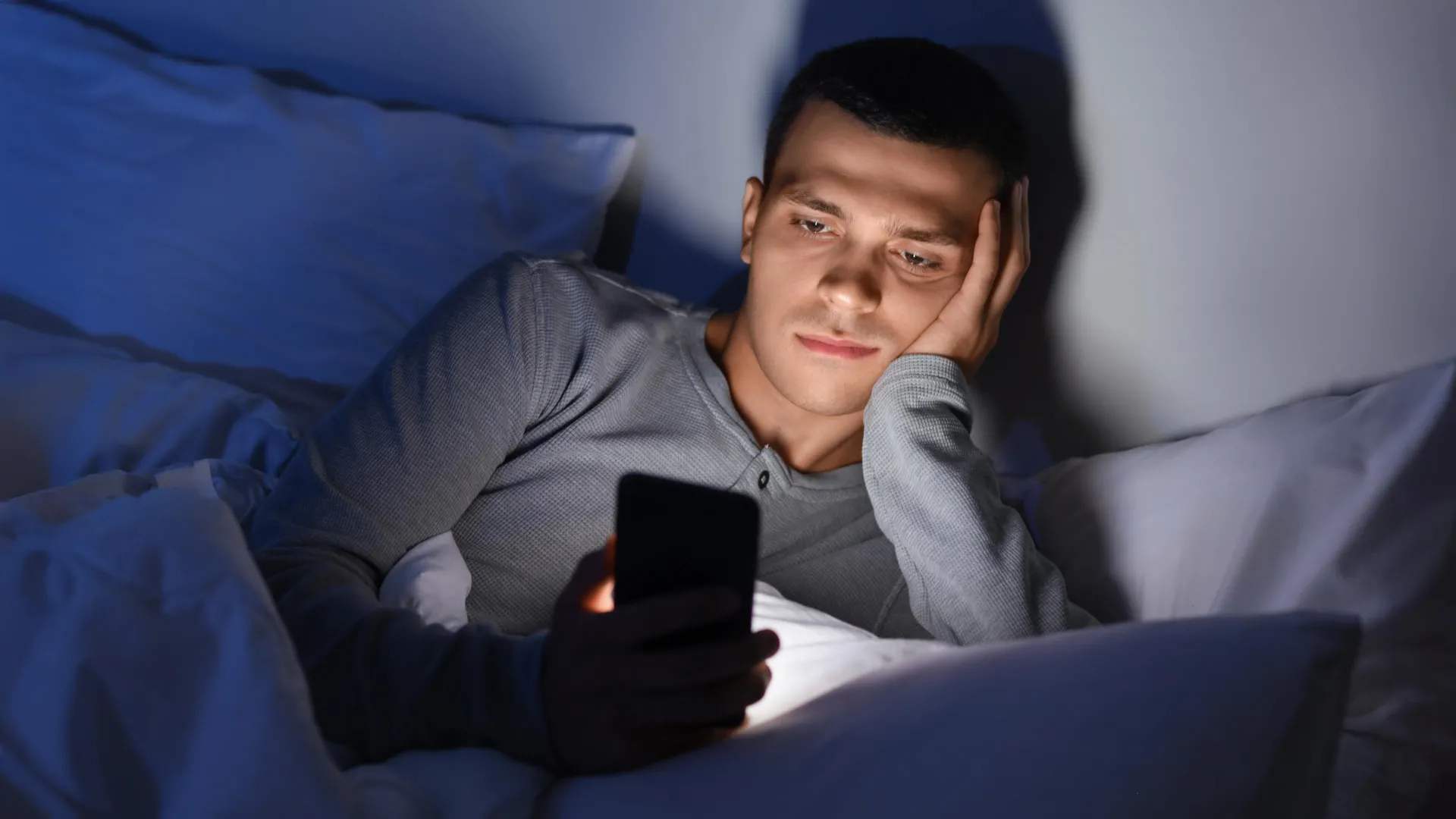
Emerging research indicates a compelling association between an individual’s natural predisposition for late-night activity, known as an evening chronotype, and an increased susceptibility to adverse cardiovascular outcomes, particularly among women in middle to later life. This discovery underscores the profound influence of internal biological clocks on long-term physiological well-being and suggests that the timing of daily routines may be as crucial as their content in maintaining cardiac health.
The human body operates on a finely tuned internal biological clock, known as the circadian rhythm, which dictates a roughly 24-hour cycle of physiological and behavioral processes. Governed primarily by the suprachiasmatic nucleus (SCN) in the hypothalamus, often referred to as the body’s master clock, these rhythms regulate everything from sleep-wake cycles and hormone secretion to body temperature and metabolism. External cues, or zeitgebers, such as light exposure, meal times, and social interactions, help synchronize this internal clock with the external environment. When these internal rhythms fall out of sync with environmental demands or an individual’s chosen lifestyle, a state of circadian misalignment can arise, potentially leading to a cascade of negative health consequences.
Chronotype represents an individual’s natural preference for the timing of sleep and wakefulness, as well as peak activity and alertness. While often colloquially categorized as "morning larks" or "night owls," chronotype exists on a spectrum, influenced by a complex interplay of genetic predispositions, age, and environmental factors. Genetic studies have identified specific gene variants, such as those within the PER and CLOCK genes, that contribute significantly to an individual’s chronotype. Young adults, for instance, tend to exhibit a stronger evening preference, which gradually shifts towards morningness with increasing age. Understanding an individual’s chronotype is becoming increasingly vital as research reveals its pervasive impact on various health domains, extending beyond mere sleep patterns to encompass metabolic function, mental health, and, as this latest study highlights, cardiovascular integrity.
A comprehensive investigation, recently featured in a prominent peer-reviewed journal of the American Heart Association, leveraged extensive health data from over 300,000 adults enrolled in the UK Biobank. With an average age of approximately 57 years, this diverse cohort provided a robust foundation for examining the relationship between chronotype and cardiovascular health metrics. Participants self-identified their daily activity patterns, leading to classifications of "definitely evening people" (representing about 8% of the cohort), "definitely morning people" (approximately 24%), and an "intermediate" group (the remaining 67%) who reported no strong preference. This self-assessment, while a common method for initial chronotype classification, served as a foundational element for subsequent analyses linking these preferences to objective health markers.
Cardiovascular health was meticulously assessed using the American Heart Association’s Life’s Essential 8™ framework. This comprehensive metric evaluates eight critical components known to contribute to optimal heart health: adherence to a healthy diet, engagement in regular physical activity, abstention from nicotine products, obtaining adequate and high-quality sleep, and maintaining healthy levels of body mass index, blood cholesterol, blood glucose, and blood pressure. The integration of these lifestyle behaviors and physiological indicators provides a holistic picture of an individual’s cardiovascular well-being, allowing researchers to identify nuanced associations between chronotype and overall cardiac risk.
The findings from this large-scale analysis revealed several statistically significant and clinically relevant patterns. Individuals identifying as "evening people" demonstrated a markedly higher predisposition to poor cardiovascular health. Specifically, they were found to be 79% more likely to exhibit an overall poor cardiovascular health score when compared to their counterparts in the intermediate chronotype category. This substantial difference points to a systemic disadvantage in maintaining the composite health metrics encompassed by Life’s Essential 8. Beyond the overall health score, the study also uncovered a 16% higher risk of experiencing a major adverse cardiovascular event, such as a heart attack or stroke, over a median follow-up period of approximately 14 years for evening types. This longitudinal observation provides compelling evidence of the long-term implications of chronotype on acute cardiac incidents.
A particularly salient finding was the observed gender disparity in these associations, with the link between an evening chronotype and diminished heart health scores proving stronger among women than men. While the precise mechanisms underlying this differential impact warrant further investigation, several hypotheses could be considered. Hormonal fluctuations throughout a woman’s life, particularly during perimenopause and menopause, are known to influence cardiovascular risk factors and sleep architecture. Additionally, societal and professional demands may impose unique stressors on women who are natural night owls, forcing them into schedules that profoundly misalign with their internal clocks more acutely than men. This could exacerbate lifestyle behaviors detrimental to heart health or interact with physiological vulnerabilities in distinct ways.
Conversely, individuals categorized as "morning people" exhibited a more favorable cardiovascular profile. This group demonstrated a 5% lower prevalence of poor cardiovascular health scores compared to those without a strong morning or evening preference. This reinforces the notion that aligning one’s daily activities with an earlier chronotype may confer protective benefits, potentially through more consistent adherence to health-promoting routines and better synchronization with societal rhythms.
Much of the elevated cardiovascular risk observed in individuals with an evening chronotype appeared to be mediated by specific lifestyle factors. Nicotine use emerged as a significant contributor, suggesting that late-night activity patterns may either facilitate greater exposure to smoking opportunities or reflect a tendency towards other health-compromising behaviors. Insufficient and irregular sleep patterns were also strongly implicated. Chronic sleep deprivation is a known stressor on the cardiovascular system, contributing to hypertension, insulin resistance, systemic inflammation, and endothelial dysfunction. Furthermore, circadian misalignment can disrupt metabolic processes, affecting glucose regulation and lipid metabolism, which are critical determinants of cardiovascular health. Evening types often contend with "social jet lag," where their biological clock is consistently out of sync with their work or social schedules, leading to chronic sleep debt and irregular sleep-wake patterns.
Beyond nicotine and sleep, other modifiable behaviors contribute to the observed disparities. Individuals with an evening preference may be more prone to poorer dietary choices, often consuming meals later in the evening, which can disrupt metabolism and contribute to weight gain. They might also engage in less physical activity due to fatigue or limited opportunities for exercise that align with their preferred activity window. The cumulative effect of these lifestyle factors, compounded by the inherent physiological stress of fighting one’s natural chronotype, likely explains a substantial portion of the increased risk.
Expert analysis underscores the concept of circadian misalignment as a central driver of these health outcomes. Dr. Sina Kianersi, a lead author on the study and a research fellow specializing in sleep and circadian disorders, articulated that "evening people" frequently experience a disconnect between their internal body clock and the external light-dark cycle or their imposed daily schedules. This chronic misalignment can make it inherently more challenging for night owls to consistently adhere to behaviors known to support long-term heart health, such as maintaining a balanced diet, engaging in regular physical activity, and achieving restorative sleep. The very structure of a society largely built around a morning-centric schedule often forces evening types into a perpetual state of "jet lag," taxing their physiological systems.
Despite these concerning findings, the implications for individuals with an evening chronotype are not entirely bleak. Dr. Kristen Knutson, a volunteer chair for an American Heart Association statement on circadian health and not involved in this particular study, emphasized that the heightened heart disease risks observed in evening types are, to a significant extent, attributable to modifiable behaviors. This crucial insight suggests that while an individual’s chronotype may be largely innate, the health consequences associated with it are not immutable. Targeted interventions focusing on areas like smoking cessation, improved sleep hygiene, and consistent healthy eating could substantially mitigate these risks. "Evening types aren’t inherently less healthy," Dr. Knutson remarked, "but they face challenges that make it particularly important for them to maintain a healthy lifestyle."
The growing understanding of chronotype’s influence also carries significant implications for personalized medicine and public health strategies. The American Heart Association’s scientific statement, co-led by Dr. Knutson, advocates for the integration of chronotype into clinical considerations for treatment planning and lifestyle interventions. For instance, the efficacy of certain medications can be optimized when administered at specific times corresponding to relevant circadian rhythms, which can vary depending on an individual’s chronotype. Tailored programs designed specifically for individuals who naturally prefer later hours could provide them with the necessary tools and support to adopt and sustain healthier lifestyle behaviors, thereby reducing their susceptibility to cardiovascular disease. This might involve flexible work arrangements, educational campaigns on strategic light exposure, and personalized dietary advice that acknowledges their unique metabolic timing.
While the study offers profound insights, it is important to acknowledge certain limitations. The UK Biobank cohort, while extensive, is predominantly composed of individuals of white European descent and, on average, healthier than the general population. This demographic skew may limit the generalizability of the findings to more diverse populations. Furthermore, chronotype was assessed only once through self-reported information, rather than through objective, repeated measurements, which could introduce some variability or misclassification. Future research would benefit from employing objective measures of chronotype, such as actigraphy, and longitudinal studies across diverse ethnic and socioeconomic groups to validate and expand upon these findings. Further mechanistic studies are also needed to fully elucidate the biological pathways through which circadian misalignment translates into increased cardiovascular risk.
In conclusion, this comprehensive research reinforces the critical role of circadian rhythms and individual chronotype in shaping long-term cardiovascular health. The consistent finding that an evening chronotype is associated with elevated risks for poor heart health and acute cardiovascular events, particularly in women, highlights a significant public health challenge. However, by identifying that many of these risks are mediated by modifiable lifestyle behaviors, the study simultaneously offers a clear path forward. Recognizing and accommodating individual chronotypes in health interventions, public health messaging, and even societal structures could empower individuals to better align their lives with their internal clocks, ultimately fostering improved cardiovascular well-being for all.




 Lisa Mariana
 Aura Kasih
 Safa Marwah