Aura Kasih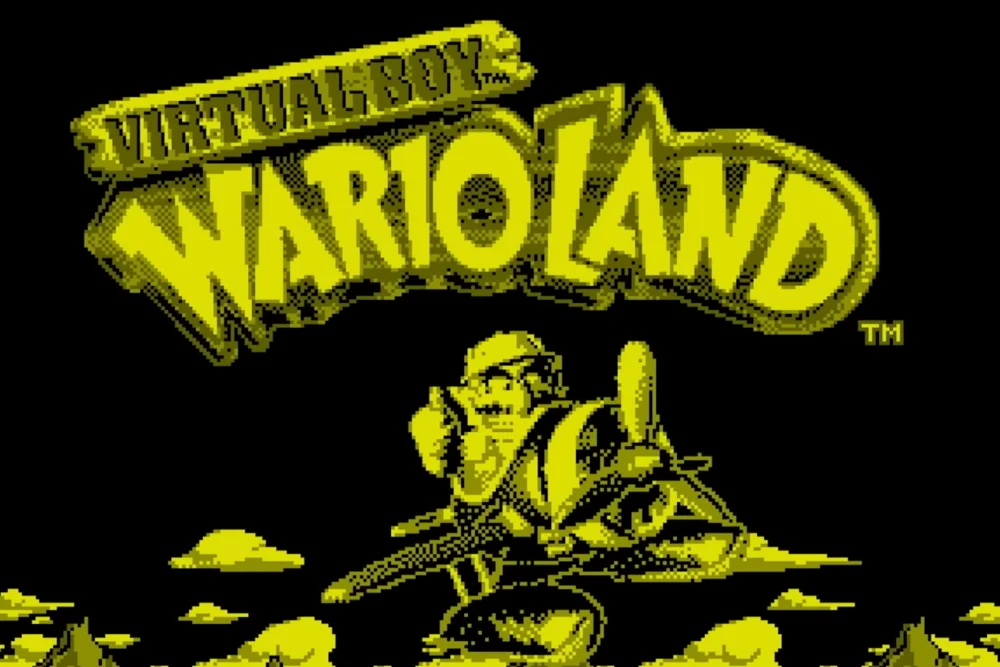
Nintendo is set to reignite the experimental spirit of the Virtual Boy, bringing its distinctive library of stereoscopic 3D games to Nintendo Switch Online subscribers. This revival, slated for February 17th, introduces not only the original game catalog but also novel hardware accessories and significant visual enhancements, most notably the ability to alter the monochromatic red display that defined the ill-fated console. This strategic move signifies Nintendo’s ongoing commitment to leveraging its rich history to engage a modern audience, while simultaneously exploring new avenues for hardware integration and subscription service value.
The announcement, building upon initial details revealed in September, paints a comprehensive picture of Nintendo’s strategy for resurrecting the Virtual Boy experience. Beyond the core game library, the company is offering two distinct headset accessories: a premium $99.99 model and a more accessible $24.99 cardboard version. Both are designed to function in conjunction with a Nintendo Switch or Switch 2 console, acting as a display housing for the handheld system to achieve the intended stereoscopic effect. This approach cleverly repurposes existing hardware, mitigating the need for entirely new, dedicated gaming devices and appealing to the existing Switch user base.
The initial wave of Virtual Boy titles launching on February 17th includes a curated selection of the console’s most recognizable games: Teleroboxer, Galactic Pinball, Red Alarm, Golf, Virtual Boy Wario Land, 3-D Tetris, and the Lovecraftian-inspired The Mansion of Innsmouth. This lineup showcases the diverse genres attempted on the original hardware, from sports simulations to arcade action and unique puzzle experiences. The inclusion of Virtual Boy Wario Land is particularly noteworthy, representing one of the franchise’s earliest forays into 3D, and 3-D Tetris offers a familiar gameplay loop reimagined with the Virtual Boy’s signature depth perception.
Looking ahead, Nintendo has confirmed a second wave of Virtual Boy titles slated for release later in 2026. This expanded roster features fan favorites such as Mario Clash, Mario’s Tennis, and the cult classic horror title Jack Bros.. Additional titles in this later release include Space Invaders Virtual Collection, Virtual Bowling, Vertical Force, and V-Tetris. Furthermore, Nintendo has teased the upcoming availability of two previously unreleased Virtual Boy games, Zero Racers and D-Hopper, promising exclusive content for dedicated subscribers. This staggered release strategy aims to maintain engagement with the Virtual Boy subscription throughout the year, fostering anticipation and encouraging continued subscription adherence.
Crucially, the Nintendo Switch Online service will imbue these retro titles with modern conveniences. Players will benefit from the ability to rewind gameplay, allowing for immediate correction of errors and a more forgiving experience for those unfamiliar with the often challenging design philosophies of 1990s gaming. Control remapping will also be a standard feature, a significant enhancement given the Virtual Boy’s notoriously unique controller, which boasted a dual D-pad setup. This feature is particularly relevant as neither of the new headset accessories replicates the original controller’s ergonomic design or dual input method.

Perhaps the most significant visual innovation announced is the introduction of color customization options for Virtual Boy games. Historically, the Virtual Boy was exclusively characterized by its stark, monochromatic red display, a design choice intended to achieve stereoscopic vision but which proved to be a major point of contention and a contributing factor to player eye strain. The ability to select alternative color palettes, while not explicitly detailed in terms of the range of available colors, represents a substantial upgrade. This feature, however, will be exclusive to the more premium $99.99 headset accessory and will necessitate the removal of the accessory’s lens cover for activation. This tiered approach to features underscores Nintendo’s strategy of differentiating its hardware offerings and incentivizing the purchase of higher-end accessories.
The Virtual Boy, despite its commercial failure upon its initial release in 1995, holds a unique and often debated place in video game history. Conceived by Gunpei Yokoi, the visionary behind the Game & Watch and the Game Boy, the Virtual Boy was an ambitious attempt to pioneer consumer-grade virtual reality technology. Its distinctive red-and-black stereoscopic display, intended to create a sense of depth and immersion, was a radical departure from the colorful palettes of contemporary consoles like the Super Nintendo and Sega Genesis. However, the console suffered from a number of drawbacks, including its bulky and uncomfortable design, the aforementioned visual limitations and potential for eye strain, a lack of compelling software at launch, and its prohibitive price point. These factors contributed to its swift discontinuation, making it one of Nintendo’s least successful hardware ventures.
Nintendo’s decision to revive the Virtual Boy’s library on the Switch Online service can be interpreted as a calculated move to re-evaluate and potentially rehabilitate the console’s legacy. By presenting these games within the familiar and accessible ecosystem of the Nintendo Switch, the company can reach a new generation of players who may have never encountered the original hardware. This approach also allows Nintendo to capitalize on the growing nostalgia market for retro gaming, offering a curated and enhanced experience that addresses some of the original console’s shortcomings. The inclusion of modern features like rewind and control remapping makes these classic titles more approachable, while the color customization options directly tackle one of the most criticized aspects of the Virtual Boy’s presentation.
The introduction of the headset accessories further blurs the lines between hardware and software subscription services. By requiring a Switch console to be inserted into the accessory, Nintendo is creating an integrated hardware-software solution that enhances the value proposition of both the Nintendo Switch Online service and the accessories themselves. This strategy aligns with broader trends in the gaming industry, where companies are increasingly seeking to create interconnected ecosystems that encourage sustained user engagement and recurring revenue streams. The differentiation in features between the two headset models also suggests a tiered monetization strategy, appealing to both budget-conscious consumers and those willing to invest more for premium features.
From an analytical perspective, Nintendo’s foray into Virtual Boy emulation on the Switch represents a fascinating case study in product lifecycle management and brand rehabilitation. The Virtual Boy was a commercial disappointment, but its technological ambition and unique design have cemented its status as a cult classic among gaming historians and enthusiasts. By reintroducing its games with significant improvements, Nintendo is not only providing access to rare titles but also offering a revised interpretation of the Virtual Boy’s intended experience. The success of this initiative will likely depend on several factors: the overall quality of the emulation, the appeal of the additional Virtual Boy titles to be released, the effectiveness of the hardware accessories in delivering a comfortable and immersive experience, and the perceived value of the color customization feature.
The future outlook for this initiative is cautiously optimistic. Nintendo has a proven track record of successfully reviving its classic franchises and consoles through its online services. The Nintendo Switch’s massive install base provides a fertile ground for introducing these retro experiences. The ability to alter the Virtual Boy’s iconic red display is a significant concession to player feedback and a testament to Nintendo’s willingness to adapt and innovate. If the emulation is robust, the accessories are functional, and the software library continues to grow with compelling titles, the Virtual Boy revival could prove to be a surprising success, offering a unique blend of retro charm and modern technological refinement for Nintendo Switch owners. This strategic re-engagement with a past experiment demonstrates Nintendo’s enduring commitment to pushing boundaries, even when those boundaries were initially met with skepticism.


 Lisa Mariana
 Safa Marwah
 Ayu Aulia