Ayu Aulia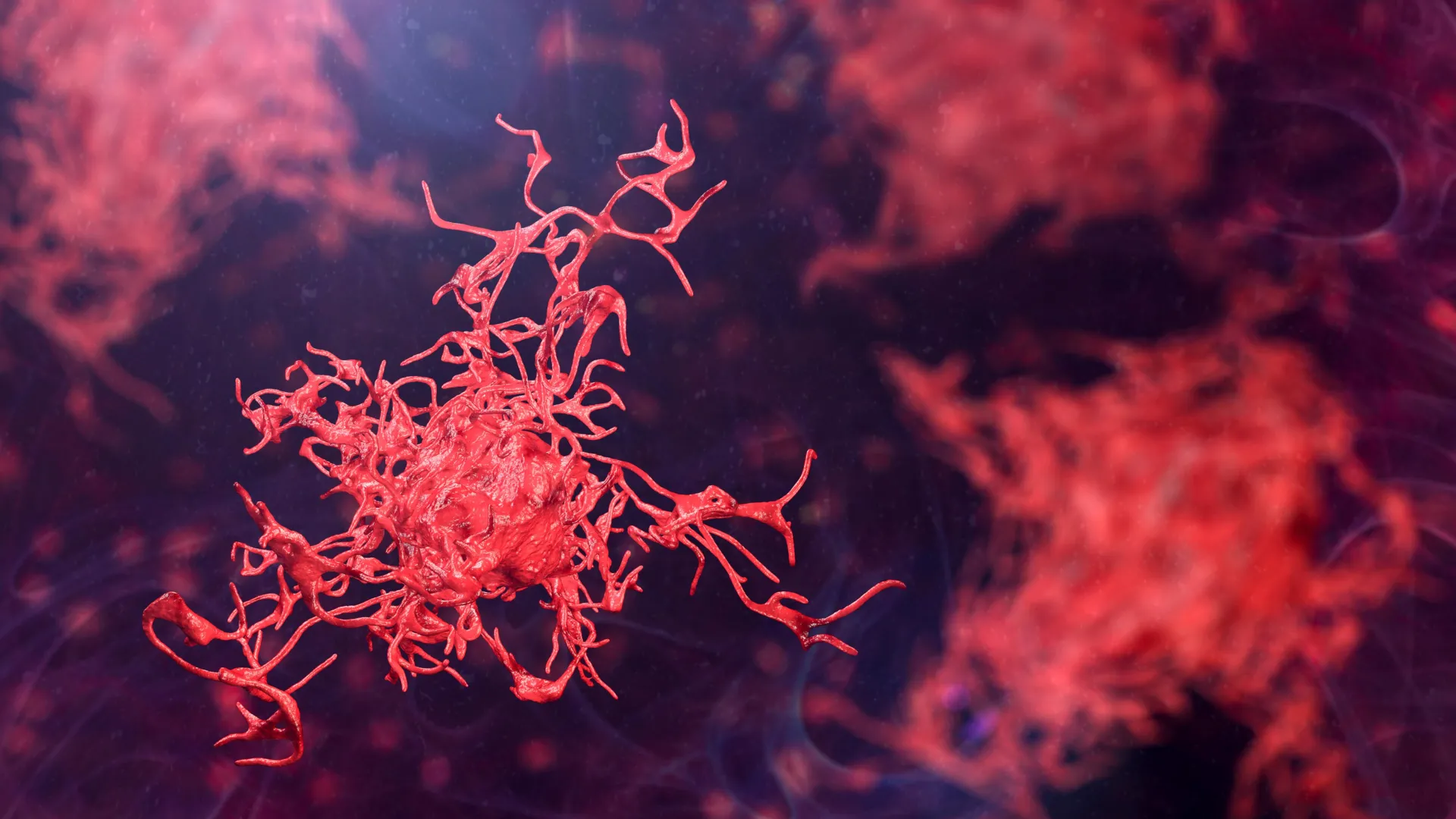
A new comprehensive analysis by environmental and public health scientists warns of an escalating worldwide threat from a little-understood class of pathogens: free-living amoebae (FLAs). These microscopic organisms are demonstrating increasing prevalence across the globe, a phenomenon attributed to the combined pressures of a changing climate, degrading public water infrastructure, and critically insufficient global monitoring and detection protocols. The findings underscore a pressing need for a unified, international strategy to mitigate what experts describe as a silent, yet potentially devastating, public health challenge.
Free-living amoebae are ubiquitous single-celled eukaryotic organisms found naturally in diverse environments, including soil, freshwater, and even brackish water. While the vast majority of these microbial inhabitants are harmless components of their respective ecosystems, a specific subset of species possesses pathogenic potential, capable of inducing severe, often fatal, human diseases. Among the most notorious is Naegleria fowleri, commonly referred to as the "brain-eating amoeba." This particular FLA is responsible for primary amoebic meningoencephalitis (PAM), a rare but nearly universally fatal infection of the central nervous system. Infection typically occurs when contaminated water, often encountered during recreational activities such as swimming or diving, enters the nasal passages, allowing the amoeba to migrate to the brain. Beyond Naegleria fowleri, other genera such as Acanthamoeba and Balamuthia mandrillaris can cause serious conditions ranging from severe keratitis (eye infection) to granulomatous amoebic encephalitis (GAE), another devastating brain infection, particularly in immunocompromised individuals. The diverse pathologies and the severity of these infections highlight the broad spectrum of risks posed by pathogenic FLAs.
Unprecedented Resilience and Ecological Advantage
What distinguishes pathogenic free-living amoebae from many other microbial threats is their extraordinary resilience and multifaceted survival mechanisms, enabling them to persist in conditions lethal to most other microorganisms. Dr. Longfei Shu, a leading researcher from Sun Yat-sen University and a corresponding author on the recent perspective, emphasizes their remarkable adaptability. "These organisms exhibit an unparalleled capacity to endure extreme environmental stressors, including elevated temperatures, potent chemical disinfectants like chlorine, and can even thrive within complex engineered systems such as municipal water distribution networks, which are often presumed to be sterile or safe," Shu notes. This intrinsic hardiness allows FLAs to bypass conventional water treatment protocols and maintain viability in settings designed to eliminate microbial threats. Their ability to form resistant cyst stages further enhances their survival, allowing them to withstand desiccation, nutrient deprivation, and chemical assault for extended periods, only to excyst and become metabolically active when conditions become favorable again.
A critical, and often overlooked, aspect of FLA biology is their role as biological "Trojan horses" for other disease-causing microbes. Amoebae can internalize and harbor various bacteria, viruses, and even fungi, effectively shielding these secondary pathogens from external threats, including disinfection processes. For instance, Legionella pneumophila, the causative agent of Legionnaires’ disease, is well-known to replicate within Acanthamoeba species. This intracellular protection allows the encapsulated pathogens to persist and spread through water systems, evading detection and elimination. The phenomenon has profound implications not only for the direct transmission of infectious diseases but also for the insidious rise of antimicrobial resistance. By sheltering antibiotic-resistant bacteria, FLAs may inadvertently contribute to the dissemination of resistance genes, complicating future treatment strategies and posing a significant challenge to global public health. The complex microbial interactions within these amoebic hosts represent a critical area of ongoing research, revealing a sophisticated ecological niche that impacts broader pathogen dynamics.
Compounding Factors: Climate Change and Infrastructure Decay
The global proliferation of pathogenic free-living amoebae is not an isolated phenomenon but rather a complex interplay of environmental, infrastructural, and societal factors. Climate change emerges as a primary driver, fundamentally altering the environmental niches suitable for these thermophilic (heat-loving) organisms. Rising global temperatures create increasingly hospitable conditions, allowing FLAs to expand their geographical ranges into regions where they were historically uncommon. Warmer waters, particularly in lakes, rivers, and man-made recreational facilities, provide an ideal breeding ground for species like Naegleria fowleri, which thrives at elevated temperatures. Changes in precipitation patterns, including more frequent and intense rainfall or prolonged droughts, can also impact water quality and flow dynamics, potentially concentrating amoebae or facilitating their dispersal. Several recent outbreaks of amoebic infections linked to recreational water exposure have already heightened public awareness and concern in various countries, signaling a trend that is expected to intensify without intervention.
Concurrently, the aging and deteriorating state of global water infrastructure plays a critical, permissive role in the spread of these resilient pathogens. Many urban and rural water distribution systems, particularly in older cities and developing regions, suffer from neglected maintenance, leading to corroded pipes, leaky mains, and biofilm accumulation. These structural deficiencies create ideal microenvironments for FLAs to colonize, multiply, and persist. Biofilms, complex communities of microorganisms encased in an extracellular polymeric substance, serve as protective havens for amoebae, shielding them from disinfectants and providing a rich nutrient source. Furthermore, pressure fluctuations and breaches in water lines can introduce environmental amoebae into otherwise treated water, compromising the integrity of potable water supplies. The systemic underinvestment in water infrastructure maintenance and upgrades, coupled with a lack of robust water quality surveillance specifically targeting FLAs, exacerbates the vulnerability of communities to these emerging threats.
The Imperative for a One Health Response
Addressing the escalating threat posed by free-living amoebae necessitates a paradigm shift in public health strategy, demanding a coordinated "One Health" approach. This integrated framework recognizes the inextricable links between human health, animal health, and environmental health, advocating for collaborative efforts across disciplines to achieve optimal health outcomes. In the context of FLAs, a One Health strategy would dismantle traditional silos between public health agencies, environmental research institutions, and water utility management. Dr. Shu articulates this necessity: "Amoebae are not merely a medical challenge or an isolated environmental problem. They exist at the critical nexus of both, and their effective management requires comprehensive, integrated solutions designed to safeguard public health at its very source."
Implementing a One Health response involves several critical pillars:
-
Enhanced Surveillance and Monitoring: Current surveillance systems are largely inadequate for detecting FLAs. A concerted effort is required to develop and deploy more sensitive, specific, and rapid diagnostic tools for environmental sampling and clinical diagnosis. This includes leveraging molecular techniques (e.g., PCR), advanced microscopy, and culturing methods to identify pathogenic species in water sources, recreational areas, and clinical specimens. Establishing sentinel surveillance sites in high-risk areas, particularly those experiencing climate-driven warming, would provide early warning systems.
-
Accelerated Diagnostic Development: For patients, timely and accurate diagnosis of amoebic infections is paramount for effective treatment, yet current methods are often slow and require specialized expertise. Investment in rapid, point-of-care diagnostic assays is crucial to improve patient outcomes, especially for infections like PAM where every hour counts.
-
Advanced Water Treatment Technologies: Existing water treatment protocols, primarily relying on chlorine, are often insufficient against resistant amoebae. Research and implementation of advanced water treatment technologies are essential. This includes exploring and deploying ultraviolet (UV) irradiation, advanced oxidation processes (AOPs), improved filtration techniques (e.g., ultrafiltration), and strategies specifically designed to disrupt biofilm formation within distribution systems. Proactive measures to manage water temperature in susceptible systems also warrant consideration.
-
Policy and Regulatory Frameworks: Governments and international bodies must develop and enforce updated water quality standards that specifically address FLAs. This includes guidelines for monitoring, permissible levels, and response protocols in public water systems and recreational venues.
-
Public Education and Awareness: A critical component of prevention involves educating the public about the risks, particularly concerning recreational water use. Simple precautions, such as avoiding swimming in warm freshwater during peak summer months or using nose clips, can significantly reduce exposure risks. Awareness campaigns targeting healthcare providers are also vital to ensure timely recognition and treatment of these rare but deadly infections.
-
International Collaboration: Given the global nature of climate change and the transboundary movement of water-related issues, international collaboration is indispensable. Sharing research, best practices, surveillance data, and technological advancements across national borders will be crucial for developing a cohesive global strategy.
Future Outlook and Long-Term Implications
The trajectory of free-living amoebae proliferation is a stark indicator of broader environmental and public health challenges. Without decisive and coordinated action, the incidence of amoebic infections is projected to rise, placing an increasing burden on healthcare systems and causing preventable fatalities. The long-term societal costs extend beyond direct medical expenses, encompassing the psychological impact on affected communities, the erosion of public trust in water safety, and potential disruptions to recreational economies. Continued research into the complex ecology of FLAs, their interactions with other pathogens, and their resistance mechanisms will be vital for developing innovative control strategies. The call for a One Health approach is not merely a recommendation but an urgent imperative, highlighting the interconnectedness of our planet’s health and our own. The silent spread of these resilient microscopic threats serves as a powerful reminder that vigilance, scientific innovation, and collaborative governance are fundamental to safeguarding global public health in an era of rapid environmental change.




 Lisa Mariana
 Aura Kasih
 Safa Marwah