Ayu Aulia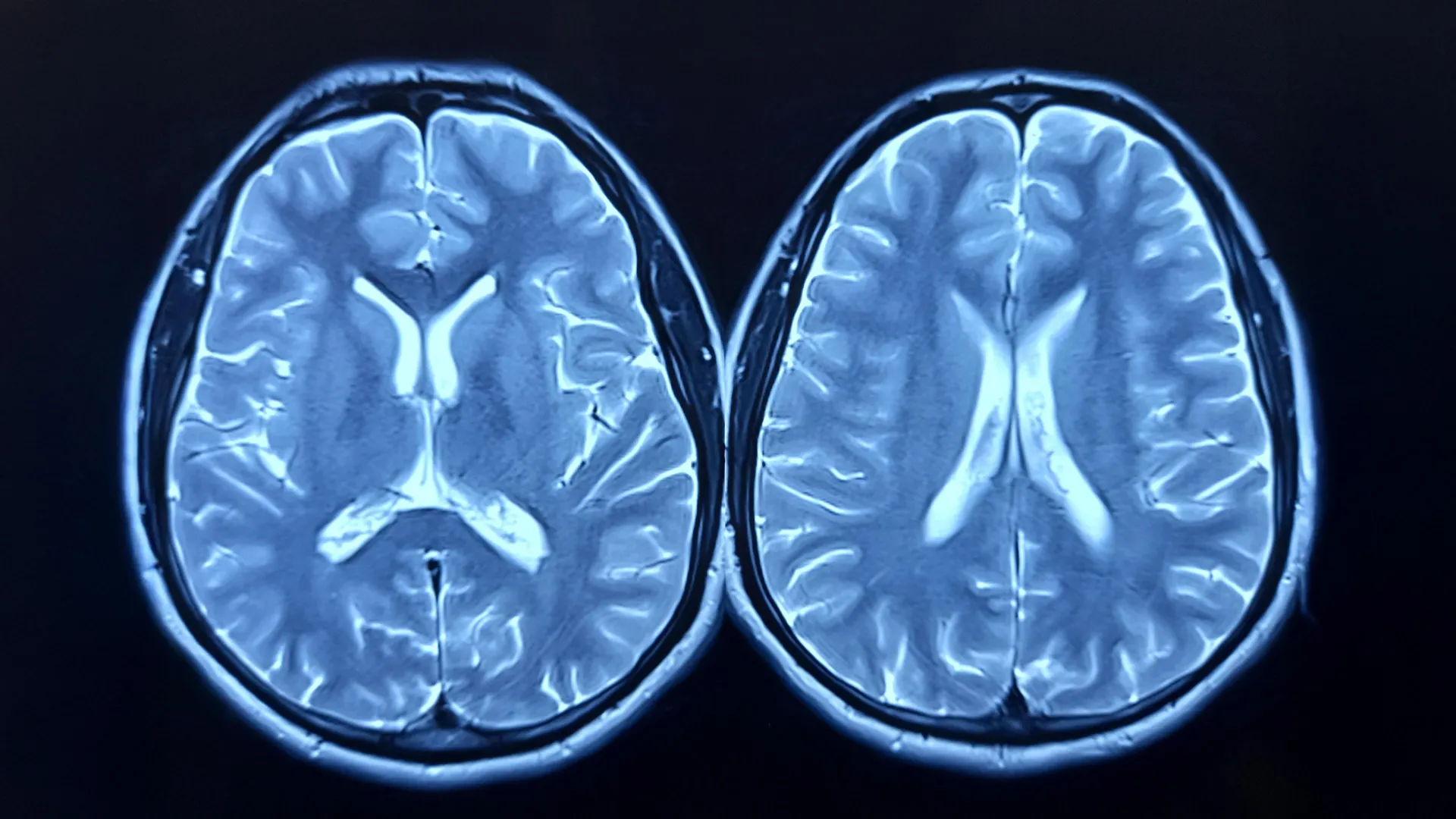
Emerging research underscores the profound, long-term impact of lifestyle choices on neurological health, with new investigations highlighting how consistent aerobic physical activity can biologically rejuvenate the brain, potentially safeguarding cognitive function and overall mental vitality over the lifespan. This discovery offers compelling evidence for the proactive role individuals can play in preserving their cerebral well-being.
The intricate processes governing brain aging have long been a focal point of neuroscience, with scientists striving to identify modifiable factors that could mitigate age-related cognitive decline. A recent year-long clinical trial has provided significant insights, indicating that adults who maintained a regular aerobic exercise program exhibited brain structures that appeared nearly one year younger, on average, compared to their sedentary counterparts. This finding supports the growing body of evidence linking physical activity to enhanced neurological resilience.
Quantifying Neural Chronology Through Imaging
The study, meticulously documented in the Journal of Sport and Health Science, delved into the hypothesis that systematic aerobic engagement could decelerate or even partially reverse the phenomenon known as "brain age." This metric, determined through advanced magnetic resonance imaging (MRI), provides an estimated biological age of the brain relative to an individual’s chronological age. A greater discrepancy, termed brain-predicted age difference (brain-PAD), where the brain appears older than the actual age, has been previously correlated with diminished physical and cognitive capacities, alongside an elevated risk of mortality. This makes brain-PAD a critical biomarker for assessing neural health and predicting future outcomes.
Dr. Lu Wan, a lead researcher and data scientist involved in the study, articulated the significance of these findings. "Our investigation revealed that a straightforward, guideline-compliant exercise regimen could yield a measurable reduction in brain age over merely a 12-month period," Dr. Wan stated. The pervasive concern regarding the preservation of brain health in an aging population makes such studies particularly relevant, offering actionable guidance rooted in accessible daily routines. While the observed absolute shifts in brain age were modest, even a fractional reduction, such as a one-year shift, could accumulate into substantial benefits over several decades, potentially altering the trajectory of cognitive decline.
Rigorous Clinical Evaluation of Exercise Intervention
The design of the clinical trial was robust, enrolling 130 healthy adult participants whose ages spanned from 26 to 58. These individuals were randomly allocated into one of two groups: an intervention group committed to moderate-to-vigorous aerobic exercise, or a control group that maintained their usual levels of physical activity. The exercise cohort engaged in two supervised 60-minute workout sessions weekly within a controlled laboratory environment. Additionally, they supplemented these sessions with home-based exercise, aiming to achieve approximately 150 minutes of aerobic activity each week. This prescribed regimen was carefully aligned with the established physical activity guidelines promulgated by the American College of Sports Medicine, ensuring adherence to recognized public health standards.
To quantify the physiological and neurological impacts, researchers meticulously measured brain structural integrity using high-resolution MRI scans at the study’s inception and again following the 12-month intervention period. Concurrently, cardiorespiratory fitness was objectively assessed through peak oxygen uptake (VO2peak), a gold standard measure reflecting an individual’s aerobic capacity. This dual assessment allowed for a comprehensive evaluation of both the physical and neurological changes induced by the exercise intervention. The careful selection of a relatively young to middle-aged cohort also distinguished this study, as many prior investigations tend to focus on older populations where age-related changes are more pronounced, making it harder to discern early preventative effects.
Empirical Evidence Linking Exercise to Neural Rejuvenation
Upon the conclusion of the year-long trial, distinct differences emerged between the two study groups, providing compelling evidence for the intervention’s efficacy. Participants in the exercise group exhibited a quantifiable decrease in their brain age, signifying a biological rejuvenation of their neural structures. Conversely, individuals within the control group, who maintained their habitual activity levels, displayed a slight, though not statistically significant, increase in their brain age. Specifically, the exercise group’s brain-PAD decreased by approximately 0.6 years on average, indicating a younger-appearing brain at the study’s culmination. In contrast, the control group’s brains appeared, on average, 0.35 years older. When directly juxtaposing the outcomes of the two groups, the divergence in brain age approached a full year in favor of those who engaged in consistent aerobic exercise.
Dr. Kirk I. Erickson, a senior author of the study and a distinguished neuroscientist, underscored the profound implications of these findings. "While the observed difference might appear to be less than a year in absolute terms, previous scholarly work suggests that each additional ‘year’ of brain age is associated with significant disparities in health outcomes later in life," Dr. Erickson noted. From a broader lifespan perspective, the ability to steer the brain towards a younger biological state during midlife could represent a pivotal intervention, potentially influencing long-term cognitive trajectories and delaying the onset of neurodegenerative conditions. This subtle shift, when compounded over decades, could translate into substantial gains in cognitive reserve and overall brain health.
Unraveling the Mechanisms: A Continuing Scientific Inquiry
To gain a deeper understanding of the pathways through which aerobic exercise exerted its influence on brain aging, the research team meticulously examined several potential mediating factors. These included alterations in physical fitness levels, changes in body composition, modifications in blood pressure readings, and fluctuations in the levels of brain-derived neurotrophic factor (BDNF), a crucial protein known to foster brain plasticity and neuron survival. Intriguingly, despite clear improvements in cardiorespiratory fitness within the exercise group, none of these hypothesized factors statistically accounted for the observed reduction in brain-PAD during the trial.
"This finding was genuinely unexpected," Dr. Wan remarked. "Our initial assumption was that enhancements in fitness parameters or reductions in blood pressure would predominantly explain the beneficial effect, but this was not borne out by the data." This unexpected outcome suggests that the salutary effects of exercise on brain aging may operate through a more complex interplay of mechanisms that extend beyond these commonly investigated physiological parameters. Potential uncaptured pathways might involve subtle microstructural changes within brain tissue, alterations in systemic or neuroinflammation, improvements in cerebral vascular health at a microscopic level, or the modulation of other molecular factors not yet fully characterized. This calls for further sophisticated research into the intricate cellular and molecular cascades triggered by physical activity.
Strategic Intervention in Midlife for Enduring Benefits
A distinctive feature of this study lies in its focus on individuals in early to mid-adulthood, a demographic often overlooked in brain health research. Many investigations into exercise and brain health traditionally target older adults, where age-related neurological changes are already well-established and more readily detectable. By contrast, intervening in midlife, when brain changes are often more subtle and less overt, allows for the exploration of preventative strategies with potentially greater long-term impact.
"Initiating interventions in individuals during their 30s, 40s, and 50s provides a crucial head start," Dr. Erickson emphasized. The rationale is that by actively slowing the biological aging of the brain before significant cognitive impairments manifest, it may be possible to substantially delay or even reduce the risk of developing later-life cognitive decline and debilitating neurodegenerative conditions such as dementia. This proactive approach underscores the paradigm shift from treating conditions after their onset to implementing preventative measures during critical life stages. Investing in midlife brain health could therefore have profound societal and individual benefits, extending the period of healthy cognitive function and independence.
Implications and Trajectories for Future Research
While the findings are highly encouraging, the authors responsibly highlight certain caveats. The study participants comprised healthy, relatively well-educated volunteers, which may limit the generalizability of the results to more diverse or clinically vulnerable populations. Furthermore, the observed changes in brain age, while statistically significant, were modest in their absolute magnitude. These factors necessitate a cautious interpretation and underscore the need for continued scientific inquiry.
Future research endeavors should prioritize larger-scale studies, incorporating more diverse demographic groups, including individuals with pre-existing health conditions that might influence brain aging. Longer follow-up periods are also essential to ascertain whether these measured reductions in brain-PAD translate into tangible, clinically meaningful outcomes, such as a reduced incidence of stroke, dementia, or other brain-related pathologies. "A common inquiry people pose is, ‘What tangible actions can I take now to safeguard my brain for the future?’" Dr. Erickson noted. "Our findings robustly support the premise that adhering to prevailing exercise guidelines – specifically, engaging in 150 minutes per week of moderate-to-vigorous aerobic activity – may serve as a potent strategy to maintain a biologically younger brain, even during the critical midlife period."
The convergence of advanced neuroimaging techniques with rigorous clinical trial methodologies continues to illuminate the intricate relationship between lifestyle and brain health. This study serves as a compelling reminder that the simple, accessible act of regular aerobic exercise holds significant promise as a foundational pillar in the pursuit of lifelong cognitive vitality. As scientific understanding deepens, the integration of such evidence-based interventions into public health initiatives will be crucial for fostering a healthier, more cognitively resilient global population.




 Lisa Mariana
 Aura Kasih
 Safa Marwah