Ridwan Kamil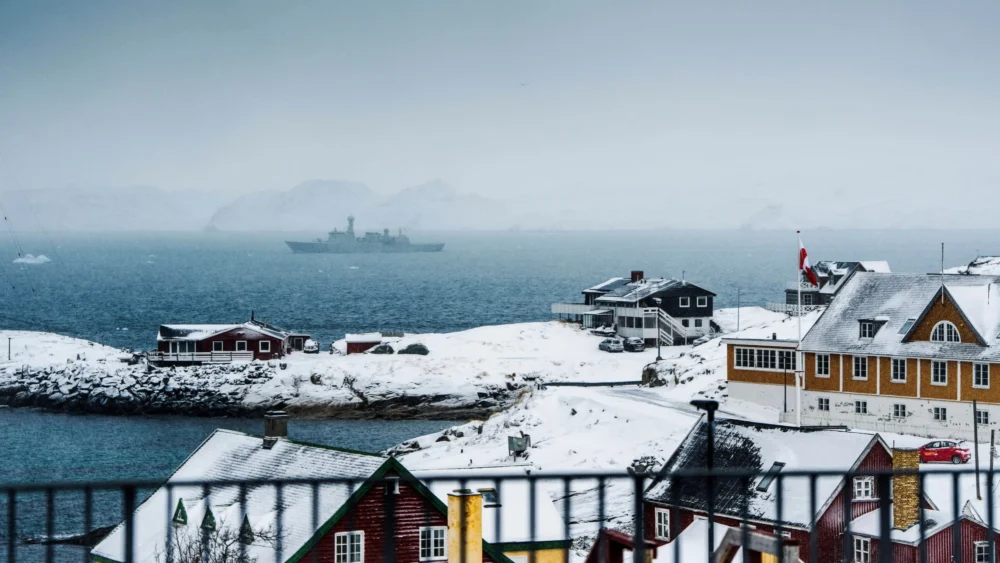
A profound climate emergency unfolding in Greenland, characterized by accelerating ice melt and its cascading environmental and economic consequences, has sent shockwaves through global financial markets, propelling gold to unprecedented price peaks while simultaneously dragging down equity valuations. This dual market movement underscores a growing investor apprehension regarding the tangible and far-reaching repercussions of climate change on the global economy and geopolitical stability.
The escalating crisis in Greenland, often referred to as the "world’s largest island," is no longer a distant environmental concern but a palpable economic force. The island’s colossal ice sheet, a critical component of Earth’s climate regulation system, is exhibiting melt rates that have surpassed even the most pessimistic projections. This rapid disintegration has direct implications for global sea levels, coastal infrastructure, and weather patterns. However, the financial ramifications extend far beyond the immediate environmental damage.
The Appeal of Gold in an Era of Climate Uncertainty
In times of escalating geopolitical and economic uncertainty, gold has historically served as a quintessential safe-haven asset. The current scenario, exacerbated by the tangible evidence of climate change’s disruptive power, has amplified this traditional role. As investors grapple with the potential for widespread economic disruption stemming from Greenland’s crisis, they are increasingly seeking refuge in tangible assets perceived to be resilient to the vagaries of market volatility and inflationary pressures.
The surge in gold prices can be attributed to several interconnected factors. Firstly, the sheer scale of the Greenland crisis presents a significant risk premium. The potential for widespread coastal flooding, the displacement of populations, and the disruption of vital shipping routes could trigger unforeseen economic costs and supply chain breakdowns. In such an environment, gold’s intrinsic value, untethered to the performance of specific industries or economies, becomes increasingly attractive.
Secondly, the perceived inflationary pressures associated with climate adaptation and mitigation efforts are also contributing to gold’s ascent. Governments and corporations will likely face substantial expenditures to rebuild infrastructure, develop new technologies, and manage the social consequences of climate-induced changes. This increased demand for resources and investment could, in turn, lead to a devaluation of fiat currencies, making gold a more appealing store of value.
Furthermore, the central bank activity surrounding gold reserves plays a crucial role. As geopolitical tensions rise and economic outlooks become more uncertain, central banks often diversify their reserves by acquiring gold. This institutional demand adds another layer of support to gold prices, reinforcing its status as a global reserve asset. The current climate-induced volatility provides a compelling rationale for such diversification.
Equity Markets Brace for Impact
Conversely, global equity markets have experienced a notable downturn, reflecting a growing unease about the broader economic implications of the Greenland crisis. The interconnectedness of the global economy means that disruptions in one region or sector can have ripple effects across numerous industries.
The primary driver of the equity sell-off is the anticipation of increased operating costs and reduced profitability for a wide range of businesses. Companies with significant exposure to coastal infrastructure, agriculture, and global supply chains are particularly vulnerable. For instance, disruptions to shipping lanes due to melting Arctic ice, while potentially opening new routes, also pose significant risks to existing maritime trade and insurance liabilities.
Moreover, the need for substantial investment in climate resilience and adaptation measures will divert capital away from other growth-oriented sectors. This reallocation of resources could stifle innovation and slow down economic expansion in the short to medium term. Investors are factoring in the potential for a prolonged period of economic adjustment as societies grapple with the multifaceted challenges posed by climate change.
The energy sector, in particular, faces a complex transition. While the immediate impact of melting ice might seem distant from fossil fuel extraction, the long-term shift towards renewable energy sources is accelerating. Companies heavily invested in traditional energy production may find their assets devalued as the global economy pivots towards decarbonization, a process that itself requires significant investment and can lead to market volatility.
Financial institutions also face heightened risks. The potential for increased insurance claims related to extreme weather events and the devaluation of assets in vulnerable regions could impact their balance sheets. Furthermore, the financing of new infrastructure projects aimed at climate adaptation will require careful risk assessment and could lead to increased borrowing costs.
Greenland’s Crisis: A Deeper Dive into the Causes and Consequences
The accelerated melting of Greenland’s ice sheet is a stark manifestation of global warming. Rising atmospheric and oceanic temperatures are the primary drivers behind the increased rate of ice loss. Satellite data and ground-based measurements have consistently shown a significant increase in the surface melt and calving of glaciers into the ocean. This phenomenon is not merely a localized event; it has profound implications for the global climate system.
The freshwater influx from melting ice can alter ocean currents, potentially impacting weather patterns far beyond the Arctic region. The Atlantic Meridional Overturning Circulation (AMOC), a crucial system of ocean currents that regulates climate in the Northern Hemisphere, is particularly sensitive to such changes. A weakening of the AMOC could lead to more extreme weather events in Europe and North America, including colder winters and altered precipitation patterns.
Beyond the direct impact on oceanography, the loss of ice cover has feedback loops that further accelerate warming. Ice reflects a significant portion of solar radiation back into space (the albedo effect). As the ice melts, it exposes darker land and ocean surfaces, which absorb more solar heat, leading to further warming and more melting. This positive feedback loop is a critical concern for climate scientists.
The socio-economic consequences are equally significant. Coastal communities worldwide face the existential threat of rising sea levels. Low-lying island nations are particularly vulnerable, with the potential for displacement and loss of habitable land. Even developed nations with extensive coastal infrastructure face enormous costs associated with flood defenses, relocation, and adaptation strategies.
Expert Analysis and Future Outlook
Economists and climate scientists are increasingly vocal about the need for a proactive and comprehensive approach to managing the risks associated with climate change. Dr. Anya Sharma, a leading climate economist at the Global Institute for Sustainable Futures, states, "The financial markets are beginning to price in the real costs of climate inaction. The events unfolding in Greenland are not isolated incidents but rather indicators of a systemic risk that requires a fundamental reevaluation of investment strategies and economic policies."
The current market reaction suggests a growing awareness that climate change is not just an environmental issue but a significant economic and financial one. The volatility in gold and equities may be an early indicator of a broader shift in asset allocation and investment priorities.
Looking ahead, several key trends are likely to emerge:
- Increased Investment in Climate Resilience: Governments and corporations will need to allocate significant resources towards adapting to the impacts of climate change. This will involve investing in infrastructure upgrades, developing drought-resistant crops, and implementing advanced warning systems for extreme weather events.
- Accelerated Transition to Renewable Energy: The urgency of the climate crisis will likely spur further investment and innovation in renewable energy technologies. This could lead to significant growth opportunities in sectors such as solar, wind, and energy storage.
- Shifting Geopolitical Landscapes: Climate change can exacerbate existing geopolitical tensions and create new ones. Competition for dwindling resources, mass migrations, and the economic disruption caused by extreme weather events could lead to increased instability.
- Evolution of Financial Regulation: Financial regulators are increasingly scrutinizing the climate-related risks faced by financial institutions. This may lead to new disclosure requirements and stress tests designed to assess their resilience to climate shocks.
- The Enduring Role of Safe Havens: In an increasingly uncertain world, assets like gold are likely to remain attractive as a hedge against volatility and inflation. Their perceived stability will continue to draw investor capital during periods of heightened risk.
The ongoing crisis in Greenland serves as a potent reminder of the interconnectedness of our planet’s systems and the profound economic implications of environmental degradation. The divergent performance of gold and stocks is a clear signal that global markets are grappling with these realities. Investors, policymakers, and corporations must now navigate a future where climate resilience and sustainability are not merely aspirational goals but fundamental pillars of economic stability and growth. The ability to adapt and innovate in the face of these challenges will ultimately determine the long-term trajectory of global financial markets and the broader economy.



 Aura Kasih
 Safa Marwah
 Ayu Aulia