Lisa Mariana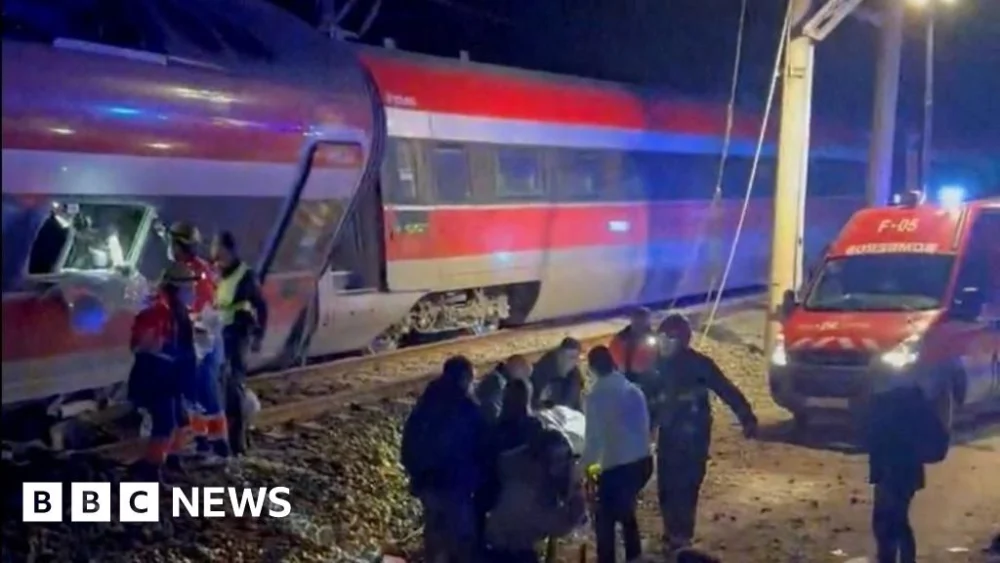
A devastating incident involving two high-speed passenger trains unfolded in southern Spain on Sunday evening, resulting in a tragic loss of life for no fewer than twenty-one individuals and leaving dozens more with significant injuries, according to official reports from emergency services and rail authorities. The catastrophic event occurred in the autonomous community of Andalusia, near the town of Adamuz in the province of Cordoba, plunging the nation into mourning and prompting an immediate, large-scale emergency response.
The collision transpired when a high-speed train, operating on a critical artery connecting the popular coastal city of Malaga with the capital, Madrid, experienced a catastrophic derailment. This initial failure propelled the train onto an adjacent track, where it was subsequently struck by another high-speed service traversing in the opposite direction, from Madrid towards Huelva. The sheer force of the impact between the two high-speed vehicles, carrying an estimated 300 passengers on the Malaga-originating service alone, caused widespread damage and trapped numerous individuals within the mangled carriages. Andalusian emergency services confirmed that at least 73 people sustained serious injuries, necessitating urgent medical attention and challenging rescue operations in the immediate aftermath.
Initial reports from Adif, Spain’s state-owned railway infrastructure manager, indicate the incident occurred approximately ten minutes after the train departed Malaga at 18:40 local time (17:40 GMT). This swift and unexpected turn of events, so early into the journey, has raised profound questions regarding the circumstances leading to the derailment. The suddenness of the disaster left little time for evasive action, compounding the severity of the collision. The rail network operator quickly moved to establish dedicated support centers for the relatives of victims and affected passengers at major transport hubs, including Atocha in Madrid, Seville, Cordoba, Malaga, and Huelva stations, underscoring the widespread impact of the tragedy across the national rail network.
The immediate consequence of the accident was the complete suspension of all rail services connecting Madrid with Andalusia, a vital corridor for both passenger and freight transport. Adif announced that terminals would remain operational throughout the night to assist stranded passengers and provide information, demonstrating the concerted effort to manage the logistical fallout. Iryo, a private rail company responsible for operating the Malaga service, confirmed the derailment and expressed profound sorrow, cooperating fully with authorities as the investigation commenced. The incident has cast a somber shadow over Spain’s usually lauded high-speed rail system.
Expressions of national grief and concern quickly emerged from the highest echelons of Spanish society. King Felipe VI and Queen Letizia conveyed their deep distress, stating they were following developments "with great concern." Through a statement released via the royal palace, the monarchs extended their "most heartfelt condolences to the relatives and loved ones of the dead, as well as our love and wishes for a swift recovery to the injured," reflecting the nation’s collective sorrow. Similarly, Spain’s Prime Minister, Pedro Sánchez, affirmed the government’s full commitment to supporting emergency services and those affected, while Juanma Moreno, the President of the Andalusian regional government, echoed sentiments of profound concern and solidarity with the victims and their families.
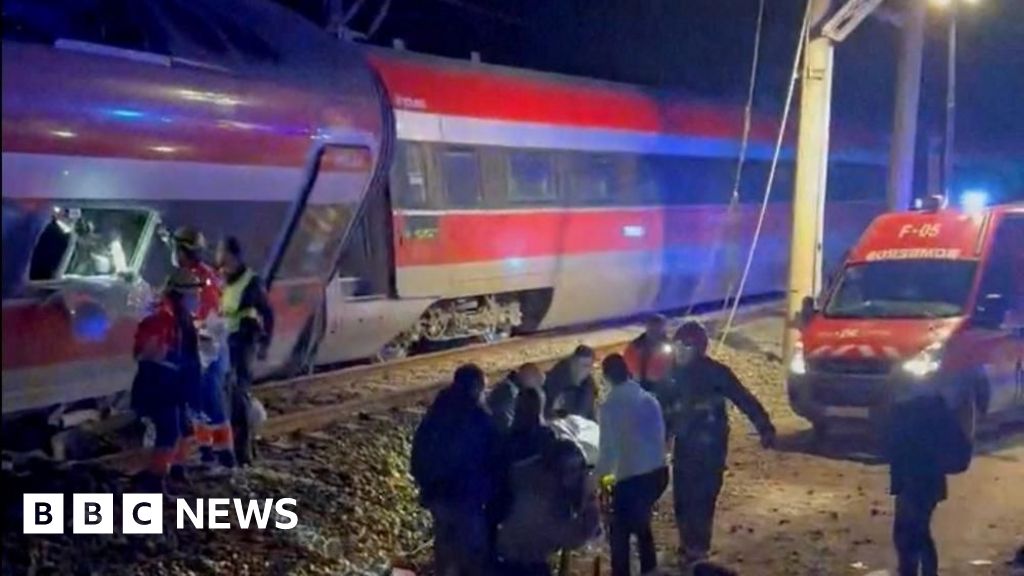
First-hand accounts from survivors painted a harrowing picture of the moments leading up to and immediately following the collision. Salvador Jimenez, a journalist with RTVE who was a passenger on one of the trains, described the impact as feeling like an "earthquake." Recounting his experience from the first carriage, Jimenez stated, "There was a moment when it felt like an earthquake and the train had indeed derailed." His subsequent updates from the scene detailed the arduous wait for assistance in the "freezing cold night," with passengers eventually being transported to a local sports center for shelter and further processing. Such testimonies underscore the traumatic nature of the event and the immediate challenges faced by those who survived the initial impact.
Spain boasts one of Europe’s most extensive and technologically advanced high-speed rail networks, known as AVE (Alta Velocidad Española). Inaugurated in 1992 with the Madrid-Seville line, the network has since expanded significantly, connecting major cities across the Iberian Peninsula and earning a reputation for efficiency, punctuality, and, crucially, safety. Prior to this incident, the Spanish high-speed rail system had maintained an exemplary safety record, with major fatal accidents being exceptionally rare. This stellar reputation makes the current disaster all the more shocking and prompts intense scrutiny into the potential causes. The high-speed lines are engineered with sophisticated signaling systems, robust track infrastructure, and advanced train control technologies designed to prevent such occurrences. The trains themselves, like those operated by Iryo, are modern, designed for high velocities, and equipped with numerous safety features.
The roles of Adif and private operators like Iryo are distinct yet interdependent within the Spanish rail ecosystem. Adif is responsible for the construction, maintenance, and management of the railway infrastructure, including tracks, signaling, and stations. Iryo, on the other hand, is one of several private companies that operate passenger services on this infrastructure, utilizing high-speed rolling stock. The incident therefore necessitates a joint investigation, meticulously examining both the state of the infrastructure and the operational aspects of the trains involved. Any findings could have far-reaching implications for both entities and the broader regulatory framework governing high-speed rail.
As the immediate rescue efforts transition into a comprehensive investigation, preliminary analyses will focus on several potential factors. These could include, but are not limited to, infrastructure failure (such as track defects or signaling malfunctions), mechanical failure within the train’s components, human error on the part of train operators or control personnel, or even external factors impacting the line. Given the advanced nature of Spain’s rail system, investigators will likely employ state-of-the-art forensic techniques, analyzing data from the trains’ black boxes (event recorders), track sensors, communication logs, and eyewitness testimonies. The complexity of a high-speed derailment followed by a collision means that multiple contributing factors may be at play, and the full investigation is expected to be protracted, potentially taking many months to yield definitive conclusions.
The implications of this disaster extend beyond the immediate human tragedy and the disruption to rail services. It poses a significant challenge to public confidence in Spain’s highly regarded high-speed rail system, which has been a source of national pride and a key driver of inter-city connectivity and tourism. Rebuilding this trust will be paramount, requiring transparent communication throughout the investigation and a clear demonstration of corrective actions. Economically, the suspension of services on such a critical route will incur substantial costs, affecting businesses, tourism, and daily commuters. Furthermore, the psychological impact on survivors, first responders, and the wider community will necessitate long-term support and care.
Looking ahead, the findings of the official investigation will be crucial in shaping future safety protocols and technological advancements within the Spanish and potentially European high-speed rail networks. Depending on the identified causes, there could be calls for enhanced track inspection regimes, upgrades to signaling systems, modifications to train design, or revisions to operational procedures and training. The incident serves as a stark reminder that despite technological progress and robust safety measures, catastrophic failures, though rare, can still occur, necessitating continuous vigilance and adaptation in the pursuit of absolute safety on high-speed rail corridors. The nation now faces a period of profound reflection and determined effort to understand this tragedy and prevent its recurrence.




 Aura Kasih
 Safa Marwah
 Ayu Aulia