Ridwan Kamil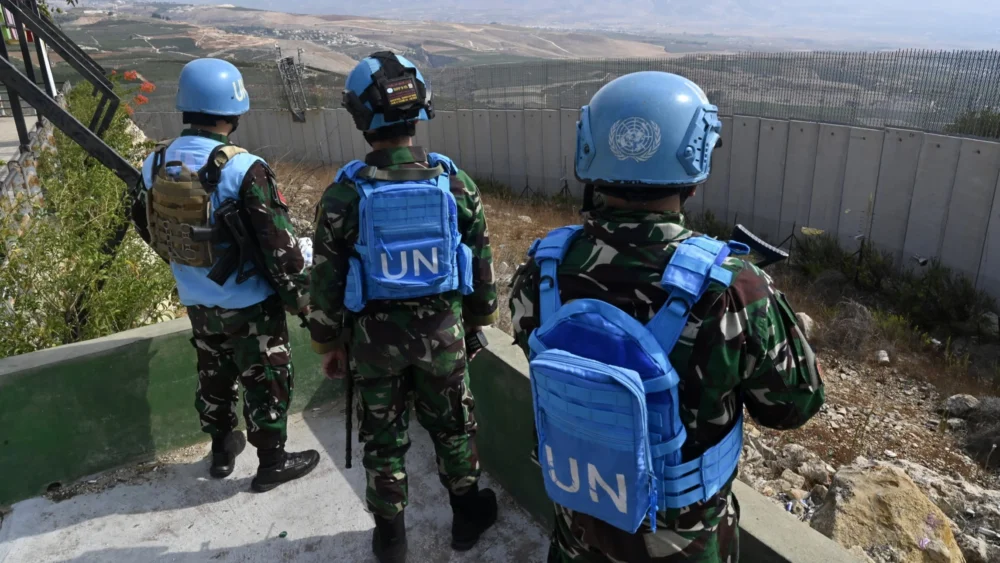
A newly established entity, tentatively named the "Board of Peace" by its proponents, is set to redefine the landscape of international diplomacy, potentially creating friction with established global institutions like the United Nations. This initiative, spearheaded by former President Donald Trump, signals an ambitious attempt to reshape conflict resolution and foreign policy engagement, with a mandate so broad it inherently positions it for direct competition with existing multilateral frameworks. The implications of such a parallel diplomatic body are far-reaching, raising questions about its operational scope, funding, legitimacy, and its potential impact on the efficacy and relevance of long-standing international cooperation mechanisms.
The genesis of the Board of Peace can be traced to a recurring theme in Donald Trump’s political discourse: a skepticism towards the efficacy and fairness of multilateral agreements and international organizations. Throughout his presidency, Trump frequently expressed a preference for bilateral deals, a transactional approach to foreign policy, and a critical view of institutions he perceived as bureaucratic, inequitable, or not directly serving American interests. This new initiative appears to be a concrete manifestation of that philosophy, aiming to create an alternative channel for addressing global challenges, one that is ostensibly designed to be more agile, results-oriented, and aligned with a specific national interest, as defined by its architects.
The broad mandate of the Board of Peace is a key factor that sets it up for potential rivalry with the United Nations. While the UN’s charter encompasses a vast array of responsibilities, from peacekeeping and humanitarian aid to economic development and human rights, its operational mechanisms often involve complex consensus-building, bureaucratic processes, and the balancing of diverse national interests. The proposed Board of Peace, conversely, appears to be conceived with a more focused and potentially less inclusive approach. Its stated or implied objectives likely revolve around direct negotiation, mediation, and the forging of agreements that may bypass the traditional multilateral forums. This could manifest in efforts to broker peace deals in conflict zones, facilitate trade agreements, or even address geopolitical disputes through a distinct set of channels, thereby potentially undermining the UN’s central role as the primary global arbiter and facilitator of international cooperation.
One of the most significant areas of potential overlap and competition lies in conflict resolution and peacekeeping. The UN Security Council, despite its inherent limitations and political complexities, has been the primary international body tasked with authorizing peacekeeping missions, imposing sanctions, and facilitating diplomatic solutions to armed conflicts. If the Board of Peace were to engage in similar mediation efforts, particularly in regions where the UN is already active, it could create a bifurcated diplomatic environment. This could lead to conflicting mandates, competing interests among global powers, and a dilution of efforts, making it harder to achieve sustainable peace. Furthermore, the Board’s approach to conflict resolution might prioritize specific outcomes or alliances, potentially diverging from the UN’s commitment to universally recognized principles of international law and human rights.
The question of legitimacy and recognition will be paramount for the Board of Peace. For any international body to be effective, it requires the buy-in and cooperation of multiple states. The UN, despite its criticisms, derives its legitimacy from its near-universal membership and the historical precedent of its role in global governance. The Board of Peace, being a more nascent and potentially ideologically driven entity, will face the challenge of establishing its credibility on the international stage. Its effectiveness will hinge on its ability to attract participation from key global actors and demonstrate tangible successes. If it is perceived as a tool primarily serving the interests of its founders, its ability to garner broad international support will be severely limited.
Financing is another critical aspect that will shape the Board of Peace’s trajectory and its potential for rivalry. The UN’s budget is funded by assessed contributions from member states, a system that, while sometimes contentious, provides a predictable, albeit often insufficient, financial base. The funding model for the Board of Peace remains less clear. If it relies heavily on private funding, philanthropic donations, or contributions from a select group of nations, this could create an imbalance of influence and further differentiate it from the more inclusive, state-funded UN. This financial independence, while offering agility, could also be a source of criticism, raising concerns about transparency and accountability.
The potential implications for global governance are substantial. The existence of a parallel diplomatic structure could lead to a fragmentation of international efforts, making it harder to address complex global challenges that require coordinated action. Issues such as climate change, pandemics, and economic crises demand collective responses, and the emergence of competing diplomatic platforms could complicate these efforts. Instead of a unified front, the international community might find itself navigating multiple, potentially contradictory, diplomatic initiatives, leading to confusion, inefficiency, and a weakening of the collective will to address shared problems.
From an analytical perspective, the establishment of such a body reflects a broader trend of questioning and re-evaluating the existing international order. While the UN has been the cornerstone of post-World War II multilateralism, it has faced increasing criticism for its perceived inefficiencies, its inability to prevent certain conflicts, and its susceptibility to the political maneuvering of powerful states. The Board of Peace can be seen as an attempt to offer an alternative model, one that prioritizes direct action and potentially a more nationalistic or ideologically aligned approach to foreign policy. However, this approach carries inherent risks. The very inclusivity and consensus-building mechanisms that often slow down the UN are also what lend it a degree of global legitimacy and ensure that a wider range of perspectives are considered.
The future outlook for the Board of Peace is uncertain and will depend on a multitude of factors. Its ability to secure significant international backing, its operational effectiveness in achieving tangible results, and its capacity to navigate the complex web of global diplomacy will all be critical determinants of its success. If it can demonstrate a unique value proposition and foster genuine cooperation, it might carve out a niche for itself. However, if its primary effect is to create division and undermine existing multilateral efforts, its long-term impact could be detrimental to global stability and cooperation. The coming months and years will reveal whether the Board of Peace emerges as a constructive force in international relations or a disruptive element that further complicates an already challenging global landscape.
The conceptualization of a "Board of Peace" also invites comparison with historical attempts to establish alternative diplomatic structures or to reform existing ones. Throughout history, various initiatives have been proposed or implemented to enhance peace and security, ranging from grand alliances to specific mediation bodies. The success or failure of these past endeavors offers valuable lessons. For instance, the League of Nations, a precursor to the UN, ultimately failed to prevent World War II, highlighting the challenges of securing universal commitment and enforcing international law. The UN, while enduring, has also faced periods of intense criticism and has had to adapt to evolving geopolitical realities.
The potential impact on international law and norms is another area for consideration. The UN system is deeply intertwined with the development and codification of international law. If the Board of Peace operates outside of these established frameworks or seeks to promote alternative interpretations of international norms, it could lead to a further erosion of a shared legal order. This could create a more fragmented and unpredictable international environment, where adherence to established principles becomes increasingly subjective.
Moreover, the political motivations behind the Board of Peace are likely to be closely scrutinized. Any initiative that purports to foster peace while being closely aligned with the foreign policy objectives of a particular nation or group of nations will inevitably face questions about its impartiality and its true aims. The perception of bias could significantly hinder its ability to mediate effectively, particularly in complex and multi-faceted conflicts where trust and neutrality are paramount.
The economic implications of such a parallel body are also worth noting. The UN plays a significant role in coordinating international economic development, trade, and financial stability. If the Board of Peace were to engage in similar economic diplomacy, particularly through bilateral or exclusive arrangements, it could alter the global economic landscape, potentially creating new trade blocs or influencing investment flows in ways that bypass established multilateral economic institutions.
Ultimately, the emergence of the Board of Peace represents a significant moment in the ongoing evolution of global governance. It signals a willingness to experiment with alternative models of international engagement and reflects a dissatisfaction with aspects of the current multilateral system. The extent to which it will be a force for positive change or a source of further division will depend on its ability to demonstrate genuine commitment to peace, foster inclusive participation, and operate with a high degree of transparency and accountability. The international community will be closely watching to see how this new entity navigates the complexities of global diplomacy and whether it can contribute to a more stable and prosperous world, or conversely, exacerbate existing tensions and undermine collective efforts. The interplay between this new initiative and established bodies like the UN will be a defining feature of international relations in the years to come.



 Lisa Mariana
 Aura Kasih
 Safa Marwah
 Ayu Aulia