Ayu Aulia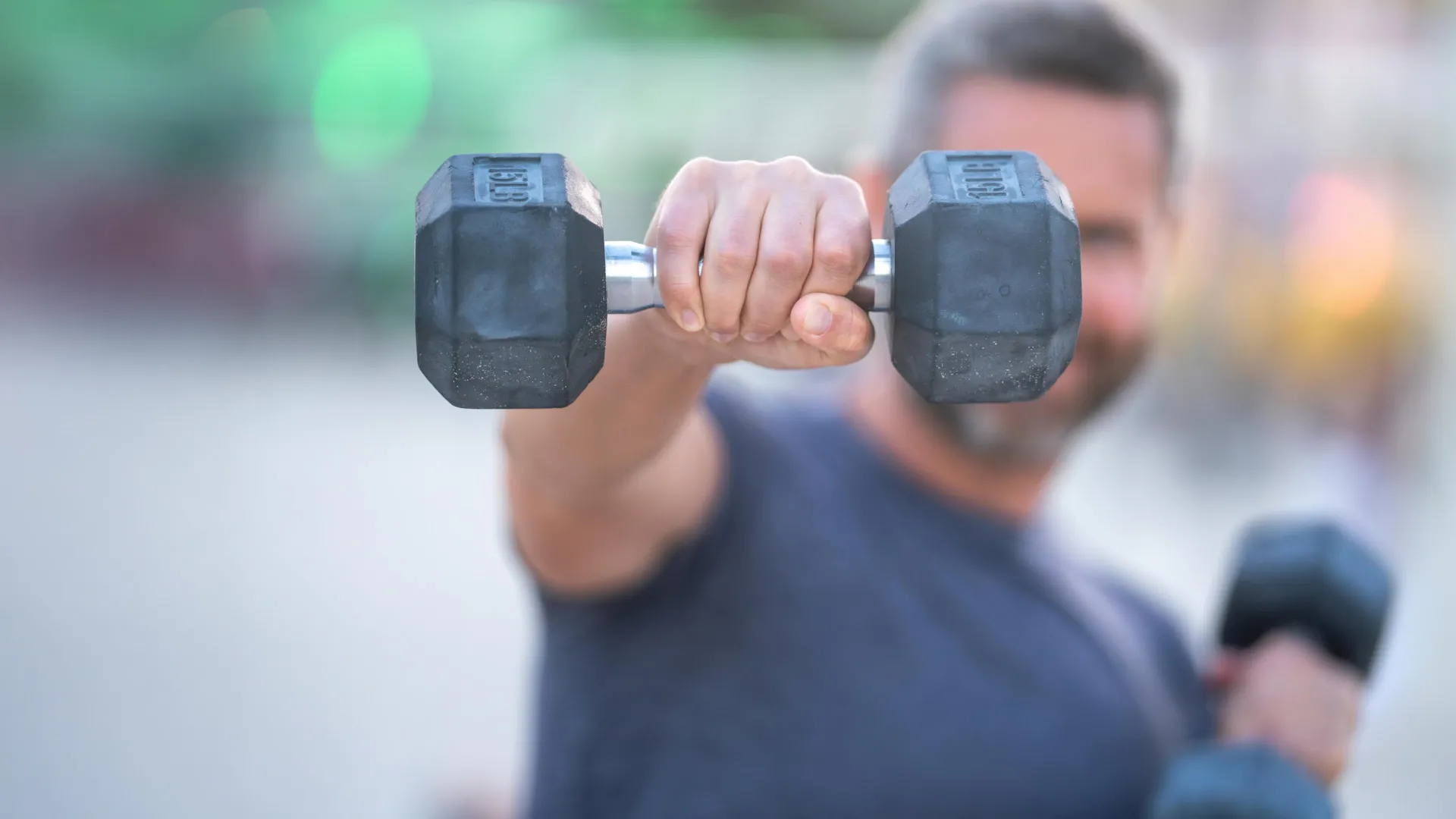
A landmark investigation spanning nearly five decades has offered unparalleled insight into the trajectory of human physical performance across adulthood, pinpointing age 35 as a critical inflection point where a gradual, yet persistent, decrease in strength and endurance typically commences, while simultaneously affirming the profound and measurable benefits of engaging in physical activity, even initiated later in life, for mitigating this natural progression.
For nearly half a century, researchers at the esteemed Karolinska Institutet in Sweden have meticulously tracked a cohort of individuals, embarking on one of the most comprehensive and enduring studies ever undertaken to chart the evolution of physical capacity. This extraordinary longitudinal design, a cornerstone of the Swedish Physical Activity and Fitness (SPAF) study, distinguishes itself from the vast majority of prior investigations by observing the same participants over an extended period, thereby providing an unprecedented, dynamic view of age-related physiological changes rather than mere static comparisons across different age groups. Published in the Journal of Cachexia, Sarcopenia and Muscle, a leading scientific periodical dedicated to understanding muscle wasting and metabolic disorders, the findings offer a robust evidence base for understanding the nuanced interplay between aging, physical capability, and lifestyle interventions.
Historically, much of the understanding surrounding age-related physical decline has been derived from cross-sectional studies. These methodologies involve comparing physical attributes, such as muscle strength or aerobic fitness, across diverse groups of individuals at different ages at a single point in time. While such studies can reveal general trends, they are inherently limited. They cannot account for individual variability, genetic predispositions, or the cumulative effects of life experiences and environmental factors on the same person over time. For instance, differences observed between a group of 30-year-olds and a group of 60-year-olds might be attributable to generational differences in lifestyle, nutrition, or medical care, rather than solely to the aging process itself. The SPAF study, by contrast, circumvented these limitations by repeatedly assessing the identical participants across a significant portion of their adult lives. This rigorous approach involved monitoring several hundred randomly selected men and women, initially aged between 16 and 63, allowing for the meticulous charting of individual trajectories of physical change and providing a more accurate and nuanced picture of how fitness and strength genuinely evolve over multiple decades.
The meticulous data collected revealed a consistent pattern: both aerobic fitness and muscular strength begin a discernible decline as early as the mid-thirties, specifically around the age of 35. This onset of decline appears to be a universal physiological phenomenon, observed irrespective of an individual’s prior training history or peak fitness levels achieved earlier in life. From this pivotal age forward, the erosion of physical capacity proceeds gradually, though the rate of decline tends to accelerate as individuals advance into later stages of life. This revelation challenges the conventional wisdom that significant physical decline is solely a feature of later adulthood, typically associated with the sixties or seventies. Instead, the data suggests that the biological machinery underpinning peak physical performance begins to attenuate much earlier than commonly perceived. This early commencement of decline is hypothesized to be linked to a complex interplay of biological factors, including subtle shifts in hormonal profiles, the gradual loss of fast-twitch muscle fibers, alterations in neuromuscular efficiency, and the accumulation of cellular damage over time.
Despite this seemingly predetermined biological trajectory, the research concurrently delivered a powerfully encouraging message: physical activity remains a potent and valuable intervention at any stage of life. The study identified that participants who adopted a more physically active lifestyle during adulthood, even after the onset of decline, experienced a measurable and significant improvement in their physical capacity, ranging from 5 to 10 percent. This finding underscores the remarkable plasticity of the human body and its capacity to adapt and respond positively to exercise, irrespective of chronological age. Such an improvement, while seemingly modest in percentage, can translate into substantial practical benefits in daily life, enhancing functional independence, reducing the risk of falls, improving metabolic health, and generally elevating overall quality of life. It provides a compelling evidence base for public health campaigns advocating for active lifestyles across the entire adult lifespan, challenging the notion that once past a certain age, efforts to improve physical fitness are futile.
According to Maria Westerståhl, a lecturer at the Department of Laboratory Medicine and the lead author of this extensive study, the overarching message is one of enduring empowerment: "It is never too late to start moving. Our study shows that physical activity can slow the decline in performance, even if it cannot completely stop it." This statement encapsulates a critical nuance: while exercise cannot entirely halt the inexorable march of biological aging, it possesses a profound capacity to modulate its pace and impact. The research team is now poised to delve deeper into the underlying mechanisms that dictate why individuals typically reach their peak physical performance around age 35. This investigation will seek to unravel the molecular and cellular events that initiate this decline, as well as the specific biological pathways through which physical activity exerts its beneficial, performance-slowing effects without entirely preventing age-related deterioration. Understanding these intricate biological processes could pave the way for more targeted interventions and personalized exercise prescriptions in the future.
The implications of these findings extend far beyond individual health. From a public health perspective, the identification of age 35 as an early inflection point for physical decline suggests a need for earlier and more sustained interventions to promote physical activity. Rather than focusing solely on older adults, public health strategies could benefit from emphasizing the importance of maintaining an active lifestyle throughout young and middle adulthood to potentially mitigate the severity of later-life declines. Economic implications are also significant; a population that retains greater functional independence and physical capacity for longer periods places less strain on healthcare systems and remains productive for a greater portion of their lives. Furthermore, industries related to health, fitness, and active aging will find valuable insights in this data, informing the development of programs and products tailored to different adult age groups.
The study also provides crucial context for understanding chronic conditions. Many age-related diseases, such as cardiovascular disease, type 2 diabetes, and osteoporosis, are exacerbated by, or intricately linked to, declines in physical fitness and strength. By demonstrating that these declines begin earlier than previously emphasized, the research indirectly highlights the importance of preventive measures, including regular physical activity, from a younger age to potentially delay or reduce the severity of these conditions. The maintenance of muscle mass and strength, in particular, is vital for metabolic health, insulin sensitivity, and bone density, all of which become increasingly challenging to preserve with advancing age. The study reinforces that resistance training and aerobic exercise are not merely about aesthetics or athletic performance, but are fundamental pillars of healthy aging.
Looking ahead, the SPAF study is far from concluded. The research team plans a crucial follow-up examination next year, when the participants will have reached the age of 68. This subsequent phase promises to yield even richer insights, particularly into the accelerated decline often observed in later life. By continuing to track these individuals, researchers aim to establish more robust connections between the observed changes in physical performance and a myriad of other factors, including specific lifestyle choices (e.g., dietary patterns, sleep quality, stress levels), overall health status (e.g., incidence of chronic diseases, medication use), and underlying biological processes (e.g., genetic markers, inflammatory biomarkers, cellular senescence).
This ongoing research holds the potential to illuminate not only the "what" and "when" of physical decline but also the "why" and "how" it can be modulated. The ultimate goal is to move beyond mere observation to develop predictive models and, critically, effective, evidence-based interventions that can help individuals navigate the aging process with greater vitality, functional independence, and overall well-being. By understanding the intricate interplay of genetics, lifestyle, and environment on physical capacity across the lifespan, scientists can hope to unlock strategies for fostering healthier and more robust aging trajectories for future generations. The SPAF study thus represents not just an academic achievement but a profound contribution to the global effort to enhance human longevity and quality of life.




 Aura Kasih
 Safa Marwah
 Lisa Mariana