Ayu Aulia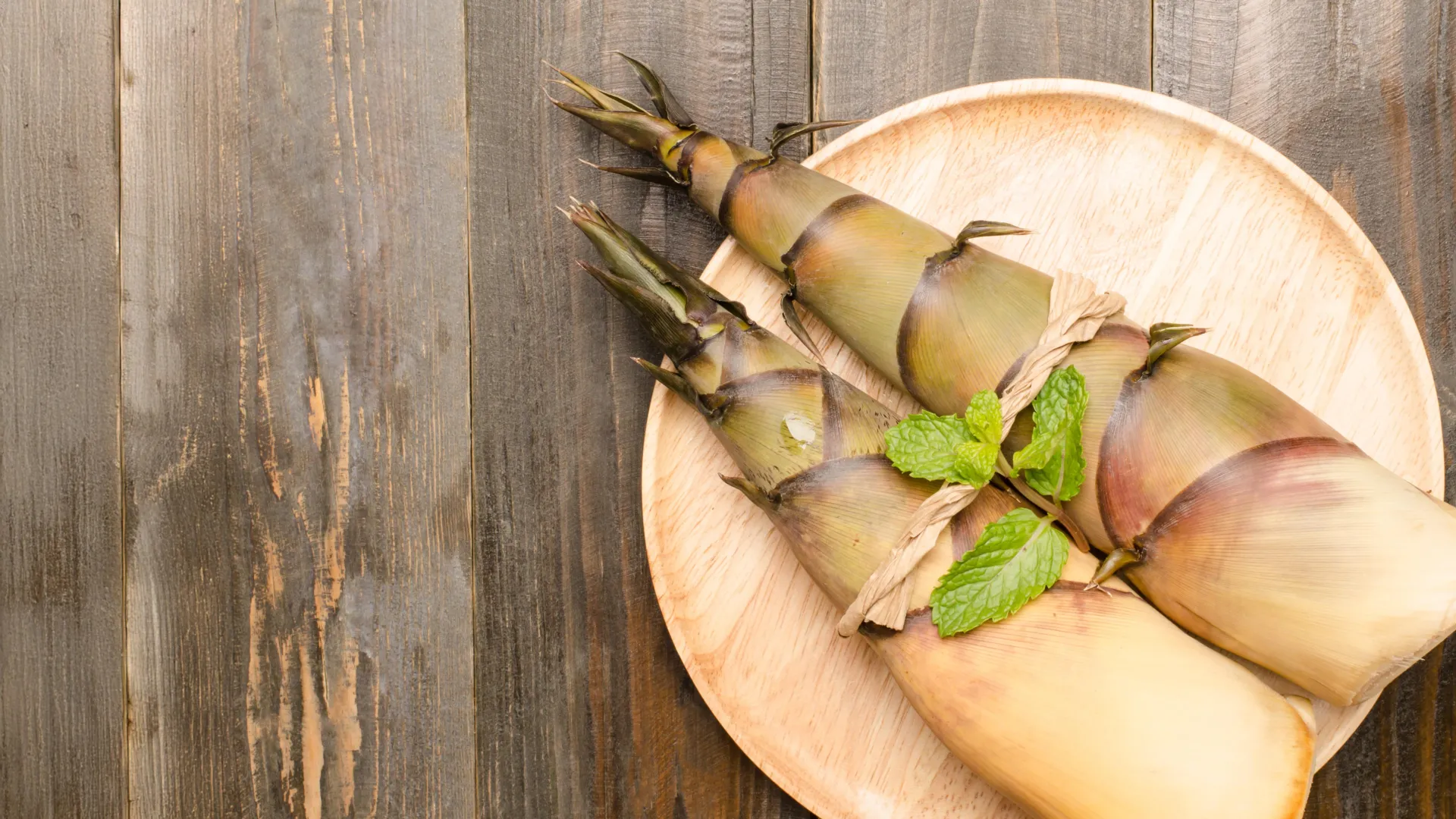
Bamboo, renowned globally as the planet’s most rapidly proliferating plant, with certain species demonstrating growth rates exceeding 90 centimeters within a 24-hour period, has historically been a cornerstone of numerous Asian cuisines. While nations such as China and India lead in its cultivation and consumption, the recent comprehensive analysis suggests that bamboo possesses significant untapped potential to become a globally significant dietary component, transcending its traditional culinary boundaries. This potential stems from its unique biological characteristics, which confer both ecological advantages and profound nutritional value. Its widespread availability and rapid regeneration position it as an exceptionally sustainable food resource, a crucial factor in an era focused on global food security and environmentally responsible agricultural practices.
The nutritional composition of bamboo shoots presents a compelling argument for its inclusion in diverse dietary regimens. These young culms are distinguished by a robust protein content, a substantial presence of dietary fiber, and a naturally low-fat profile. Beyond these macronutrients, bamboo is a source of essential amino acids, which are vital building blocks the human body cannot synthesize independently. It also supplies a range of critical minerals, including selenium, a potent antioxidant, and potassium, essential for fluid balance and nerve function. Furthermore, bamboo shoots deliver a spectrum of vitamins, encompassing thiamine (B1), niacin (B3), vitamin A, vitamin B6, and vitamin E, all of which play indispensable roles in various physiological processes, from energy metabolism to immune function and cellular protection. This multifaceted nutritional density elevates bamboo beyond a mere vegetable, positioning it as a functional food with broad health implications.
The comprehensive academic review, meticulously conducted by researchers at Anglia Ruskin University (ARU) in England, marks a pivotal moment in the scientific understanding of bamboo’s dietary role. Prior to this study, the scientific literature on bamboo consumption was fragmented. This review systematically consolidated and analyzed all existing research, encompassing both in vivo studies—clinical trials involving human participants—and in vitro experiments, which scrutinize the effects of bamboo extracts on human cells within controlled laboratory settings. This dual approach provides a robust framework for assessing both direct physiological impacts and underlying cellular mechanisms, offering a holistic perspective on its potential health contributions. The aggregation of these disparate studies into a single coherent analysis provides an unprecedented foundation for future research and dietary recommendations.
One of the most significant findings emanating from the review pertains to bamboo shoots’ potential to positively influence metabolic and cardiovascular health. Human clinical trials cited within the review reported discernible improvements in glycemic control among participants, suggesting that bamboo consumption could play a crucial role in stabilizing blood sugar levels. This particular attribute is of considerable importance in the global effort to manage and mitigate type 2 diabetes and related metabolic disorders. Concurrently, researchers observed beneficial alterations in lipid profiles, specifically improvements associated with a reduced risk of cardiovascular disease. These lipid profile enhancements typically involve a reduction in detrimental cholesterol fractions and triglycerides, factors directly implicated in the development of atherosclerosis and other cardiac conditions. The combined impact on both blood sugar and lipid metrics underscores bamboo’s potential as a dietary intervention for two of the most prevalent chronic diseases worldwide.
The review also elucidated bamboo’s substantial capacity for supporting digestive health and fostering a balanced gut microbiome. Bamboo contains several distinct types of dietary fiber, including cellulose, hemicellulose, and lignin. These complex carbohydrates are largely indigestible by human enzymes but are fermented by beneficial gut bacteria. Human trials demonstrated that these fibers significantly improve bowel function, contributing to regularity and overall gastrointestinal comfort. Beyond bulk formation, the fermentation of these fibers by gut microbiota produces short-chain fatty acids (SCFAs) like butyrate, which are crucial for colon health, energy supply to colonocytes, and modulating immune responses. Further investigations detailed an increase in antioxidant and anti-inflammatory activity following bamboo consumption, alongside a reduction in cellular toxicity and an improvement in cellular viability. These effects collectively point towards bamboo’s role in protecting cells from damage and supporting their optimal function.
Laboratory research further corroborated bamboo’s robust nutritional value and its considerable antioxidant capabilities. These experiments not only quantified its antioxidant strength but also identified specific probiotic effects. This indicates that bamboo may actively promote gut health by encouraging the proliferation and activity of beneficial bacteria within the intestinal tract. A flourishing and diverse gut microbiome is increasingly recognized as fundamental to overall health, influencing everything from nutrient absorption and immune function to mood regulation. Moreover, a particularly intriguing finding revealed that certain compounds present in bamboo can inhibit the formation of furan and reduce the production of acrylamide. Both furan and acrylamide are classified as toxic chemicals that can spontaneously generate in certain foods when subjected to high-temperature cooking methods, such as frying or roasting. This suggests a novel application for bamboo or its extracts as a food additive or processing aid, potentially enhancing the safety profile of various cooked food products by mitigating the formation of these harmful byproducts.
Despite the compelling array of benefits, the academic review responsibly underscored critical safety considerations and the imperative of proper preparation. Certain bamboo species naturally contain cyanogenic glycosides, which are plant compounds capable of releasing hydrogen cyanide when the plant material is crushed, chewed, or improperly processed. If bamboo shoots containing these compounds are consumed raw or inadequately prepared, the enzymatic hydrolysis of these glycosides can lead to the release of cyanide, posing a significant health risk. This acute toxicity necessitates careful handling.
Additionally, one study included in the review indicated that bamboo shoots might contain compounds with goitrogenic properties, meaning they can interfere with the body’s production of thyroid hormones. Such interference can elevate the risk of developing goiter, a condition characterized by an enlarged thyroid gland, which can lead to a cascade of health complications related to metabolic regulation, energy levels, and overall endocrine function. Crucially, the review emphasized that both the risk of cyanide poisoning and the potential for thyroid interference can be effectively neutralized through proper pre-boiling of bamboo shoots before consumption. This simple culinary step denatures the enzymes responsible for cyanide release and significantly reduces the concentration of goitrogenic compounds, rendering bamboo safe for consumption. This highlights the importance of traditional preparation methods that have been refined over centuries in cultures where bamboo is a staple.
Professor Lee Smith, a senior author of the review and Professor of Public Health at Anglia Ruskin University (ARU), articulated the profound potential of bamboo: "Bamboo is already commonly eaten in parts of Asia and it has huge potential to be a healthy, sustainable addition to diets worldwide — but it must be prepared correctly." He further elaborated on the scientific basis for its promise, stating, "The multiple health benefits we identified, including its potential to tackle modern health challenges like diabetes and heart disease, are likely due to the nutritional content of bamboo and its extracts, with bamboo rich in proteins, amino acids, carbohydrates, minerals and vitamins." This expert perspective underscores the convergence of traditional knowledge with modern scientific validation.
Professor Smith also candidly acknowledged the existing lacunae in current scientific understanding. "Our review shows bamboo’s clear promise as a possible ‘superfood’, but there are also gaps in our knowledge. We could only find four studies involving human participants that met our criteria, so additional high-quality human trials are necessary before we can make firm recommendations." This statement serves as a critical qualifier, emphasizing the need for more extensive, randomized controlled trials in human populations to unequivocally establish dose-response relationships, long-term efficacy, and safety profiles across diverse demographics.
The future outlook for bamboo as a global food commodity appears promising, yet contingent on further rigorous scientific investigation and strategic market integration. Its ecological credentials are unparalleled: rapid growth reduces land use per unit of food produced, its cultivation often requires minimal water and pesticides, and its extensive root systems contribute to soil conservation and carbon sequestration. These environmental benefits align perfectly with contemporary global sustainability imperatives. From an economic perspective, the expansion of bamboo cultivation for food could stimulate new agricultural industries, diversify crop portfolios, and create employment opportunities, particularly in regions where it is already indigenous.
Culinary integration into Western diets would likely involve a multifaceted approach, from introducing fresh and canned bamboo shoots in mainstream grocery stores to exploring processed forms such as bamboo flour, noodles, or even nutraceutical supplements. The unique texture and mild flavor of bamboo shoots offer versatility in a wide range of dishes, from stir-fries and soups to salads and fermented products. However, consumer education on proper preparation techniques will be paramount to ensure safe consumption and overcome any initial hesitancy.
The research trajectory for bamboo will undoubtedly focus on several key areas. Larger, multi-center clinical trials are essential to validate the preliminary findings on metabolic and cardiovascular health, digestive support, and antioxidant effects. These studies should also investigate optimal consumption levels, the impact of different processing methods on nutrient retention and bioactive compound profiles, and the potential for synergistic effects with other dietary components. Isolation and characterization of specific bioactive compounds responsible for its health benefits could lead to the development of targeted functional food ingredients or therapeutic agents. Furthermore, studies on bioavailability and long-term safety across diverse populations are crucial for informing public health policies and dietary guidelines.
In conclusion, the comprehensive academic review on bamboo represents a significant milestone, shifting the perception of this versatile plant from a regional delicacy and construction material to a potentially powerful global superfood. Its rich nutritional profile, coupled with compelling evidence for its role in mitigating metabolic disorders, enhancing digestive health, and providing antioxidant protection, positions it as a highly attractive candidate for addressing contemporary dietary challenges. However, the path to widespread adoption is paved with the necessity of continued scientific inquiry, particularly robust human clinical trials, to solidify these preliminary findings and formulate definitive dietary recommendations. With appropriate research, responsible cultivation, and effective public education, bamboo holds immense promise as a sustainable, nutritious, and economically viable food source for the 21st century and beyond.




 Lisa Mariana
 Aura Kasih
 Safa Marwah