Lisa Mariana
Greenland, the world’s largest island, is increasingly recognized as a pivotal territory at the nexus of accelerating climate change, critical resource demands, and intensifying great power competition, drawing significant attention from global actors, including recent overtures from American leadership and ongoing strategic considerations by Denmark. This vast, autonomous territory, while sparsely populated, holds disproportionate strategic value due to its geographic position and abundant, largely untapped mineral wealth, setting the stage for complex diplomatic and economic maneuvering.
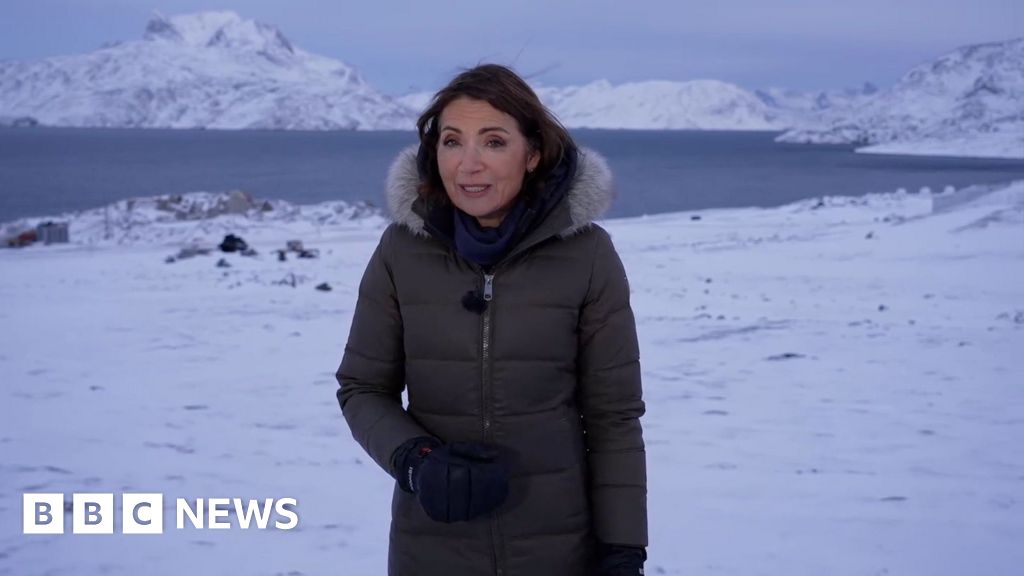
A Strategic Nexus in the High North

Greenland’s geographical location is arguably its most potent asset, positioning it as a critical player in the evolving Arctic landscape. Situated between the North Atlantic and the Arctic Ocean, it serves as a natural bridge and potential choke point for vital shipping lanes. As Arctic ice recedes due to global warming, the prospect of year-round navigability through the Northwest Passage and other Arctic routes becomes increasingly viable. These routes promise significantly shorter transit times between Asia, Europe, and North America compared to traditional canals, potentially revolutionizing global trade and logistics. Control, or even significant influence, over Greenland could therefore offer considerable strategic advantages in maritime commerce and military projection.
From a defense perspective, Greenland’s strategic importance dates back to World War II, when the United States established military bases to safeguard North American airspace and Atlantic shipping. The enduring presence of Thule Air Base, the northernmost U.S. military installation, underscores its continued relevance for missile defense, space surveillance, and Arctic operations. In an era of renewed geopolitical competition, particularly with Russia’s assertive posture in its Arctic territories and China’s growing interest in the "Polar Silk Road," Greenland’s position offers crucial advantages for monitoring activities across the Arctic and maintaining regional stability. Its location also presents opportunities for intelligence gathering and projecting power into strategically vital areas.

Unlocking a Trove of Critical Resources
Beyond its strategic geography, Greenland is believed to harbor immense, largely unexploited mineral riches, making it a focal point for nations seeking to secure essential raw materials. The island’s geology suggests vast deposits of rare earth elements (REEs), uranium, iron ore, zinc, lead, gold, and potentially significant offshore oil and gas reserves. Rare earth elements, in particular, are indispensable components in modern high-tech industries, including renewable energy technologies (wind turbines, electric vehicles), consumer electronics, and advanced defense systems. The global supply chain for these critical minerals is currently dominated by a few key players, leading many nations to seek diversified and secure sources. Greenland represents a promising, albeit challenging, alternative.

The melting of Greenland’s massive ice sheet, while a stark indicator of climate change, paradoxically makes these previously inaccessible resources more viable for extraction. Mining operations, however, face formidable logistical and environmental hurdles, including harsh weather conditions, lack of infrastructure, and the imperative to protect the pristine Arctic environment. Any large-scale resource development would necessitate substantial foreign investment, expertise, and a robust regulatory framework to ensure sustainable practices and equitable benefits for the local population.

The Intricate Dance of Sovereignty and Self-Determination

Greenland’s unique political status as an autonomous territory within the Kingdom of Denmark adds another layer of complexity to its international appeal. While Denmark handles foreign policy and defense, Greenland exercises significant self-governance, with its own parliament and control over most domestic affairs, including resource management. This dual sovereignty creates a delicate balance, as Denmark must navigate its historical responsibilities and international alliances while respecting Greenland’s aspirations for greater economic independence and, potentially, full statehood.

The renewed international interest in Greenland, epitomized by specific proposals from the previous American administration, highlights this tension. While such proposals were met with rejection by both Greenlandic and Danish authorities, they underscored the island’s perceived value on the global stage. For Greenlanders, these developments spark a debate between the potential economic benefits of foreign investment and the desire to maintain cultural integrity, environmental stewardship, and a clear path toward self-determination. Any significant foreign engagement must therefore be carefully managed to align with Greenlandic priorities and respect its autonomous status, rather than merely viewing it as a territory to be acquired or exploited.

Broader Geopolitical Stakes: China and Russia in the Arctic

The international interest in Greenland extends beyond a bilateral dynamic with the United States and Denmark, reflecting a broader scramble for influence in the Arctic. China, declaring itself a "near-Arctic state," has articulated ambitions to establish a "Polar Silk Road" as part of its Belt and Road Initiative. This involves investments in Arctic shipping infrastructure, scientific research, and potential resource extraction projects. Chinese companies have expressed interest in Greenland’s mining sector, particularly for rare earth elements, raising concerns among Western allies about potential dual-use technologies and strategic dependencies. The prospect of significant Chinese economic presence in Greenland introduces a new dimension to regional security and economic competition.

Simultaneously, Russia continues to enhance its military capabilities and economic infrastructure in its vast Arctic regions, including the modernization of military bases and icebreaker fleets. Russia views the Northern Sea Route as a vital national waterway and is investing heavily in its development. This growing Russian presence, coupled with China’s economic overtures, underscores the strategic imperative for Western powers to maintain a strong, coordinated approach to Arctic governance and security. Greenland, with its existing military installations and potential for further strategic development, plays a crucial role in this broader geopolitical calculus.

Implications and Future Trajectories
The intensifying international focus on Greenland presents both unprecedented opportunities and profound challenges for the island and its sovereign power, Denmark. For Greenland, resource development offers a potential pathway to significant economic growth, reducing its reliance on Danish subsidies and bolstering its case for greater independence. However, this must be balanced against the environmental risks of large-scale mining and energy projects in a fragile Arctic ecosystem, as well as the societal impacts on a small indigenous population. Ensuring that any development is sustainable, benefits the local community, and upholds high environmental standards will be paramount.

For Denmark, the situation demands astute diplomacy. It must skillfully manage its alliances, particularly with the United States, while safeguarding Greenland’s autonomy and its own sovereign interests. The balance involves supporting Greenland’s economic development and self-determination aspirations, potentially through facilitating responsible international partnerships, without ceding undue influence to external powers. The Kingdom of Denmark is uniquely positioned to act as a crucial interlocutor, ensuring that Greenland’s future is shaped by its people and its legitimate governing bodies, rather than becoming a pawn in great power rivalries.

Looking ahead, Greenland will undoubtedly remain a focal point in international relations. Its future trajectory will be shaped by the interplay of climate change, which continues to unlock its resources and open its waters; the global demand for critical minerals and energy; and the evolving geopolitical landscape of the Arctic. The decisions made regarding Greenland in the coming decades will not only determine the destiny of its people but will also have significant ramifications for global trade, environmental policy, and international security. The island stands as a stark reminder that even the most remote corners of the world are now inextricably linked to the pressing challenges and opportunities of the 21st century.




 Aura Kasih
 Safa Marwah
 Ayu Aulia