Lisa Mariana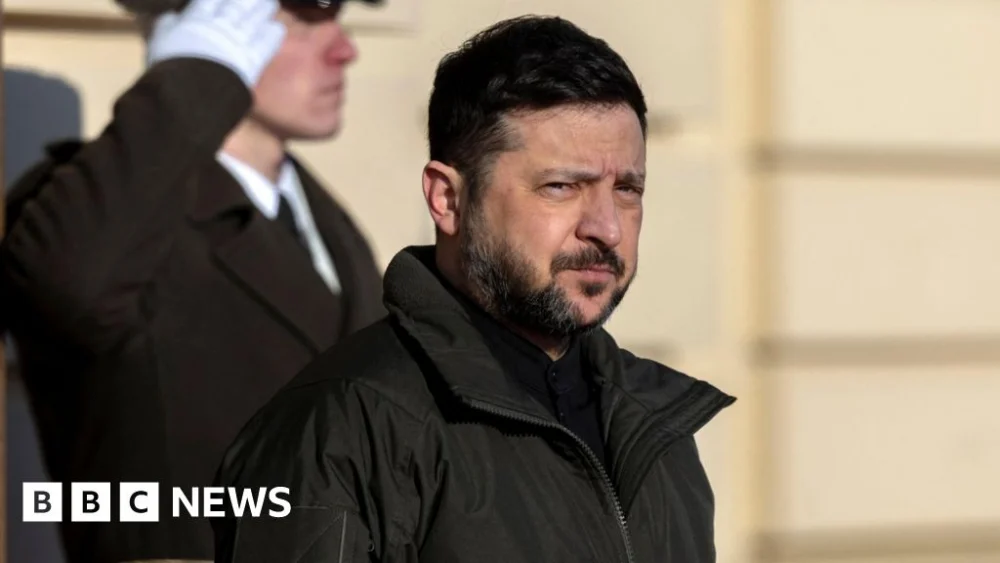
Kyiv’s urgent plea for accelerated shipments of advanced air defense munitions underscores a deepening vulnerability as Russia intensifies its strategic bombardment campaign against critical Ukrainian infrastructure, threatening to cripple the nation’s energy grid amidst severe winter conditions. President Volodymyr Zelensky has articulated a dire assessment, revealing that several vital defensive systems were rendered inoperable due to a lack of interceptor missiles, a critical deficiency temporarily alleviated by a recent, albeit insufficient, emergency delivery. This precarious situation highlights the profound challenges confronting Ukraine in maintaining its aerial shield against persistent and brutal Russian aggression.
President Zelensky’s candid admission regarding the depletion of air defense arsenals, particularly the operational readiness of multiple crucial systems, paints a stark picture of the pressures facing Ukraine’s defenders. His statement, made shortly after the arrival of a "substantial package" of missiles, indicated that until that very morning, numerous air defense batteries had been rendered inert, their sophisticated radars and launchers standing sentinel but without the necessary interceptors to engage incoming threats. This revelation underscores the high operational tempo and rapid consumption rates of air defense munitions required to counter Russia’s sustained aerial assaults. For over a year, Ukraine has relied heavily on a diverse array of Western-supplied air defense systems, including the formidable Patriot, NASAMS, IRIS-T, and older Soviet-era S-300s, all of which demand a constant influx of specialized missiles. The efficacy of these systems is directly tied to the availability of their respective interceptors, without which even the most advanced technology becomes little more than an expensive deterrent. The strategic imperative for these systems cannot be overstated; they are the primary bulwark protecting Ukrainian cities, critical infrastructure, and military assets from Russian cruise missiles, ballistic missiles, and drones.
The backdrop to this urgent appeal is Russia’s relentless and calculated campaign targeting Ukraine’s energy infrastructure. For several consecutive days, the nation has endured a barrage of strikes designed to systematically dismantle its power generation and distribution networks. This strategic offensive, which intensified with the onset of severe winter weather, aims to plunge millions into darkness and extreme cold, thereby undermining civilian morale, destabilizing the economy, and potentially eroding public support for the war effort. The deliberate timing of these attacks, coinciding with temperatures plummeting to as low as -19 degrees Celsius in some regions, strongly suggests a cynical exploitation of natural elements to amplify human suffering and exert maximum pressure on Kyiv. The damage inflicted has been extensive, leaving hundreds of thousands, if not millions, without access to heating, electricity, or clean water, creating a burgeoning humanitarian crisis on top of the ongoing conflict.
In response to this escalating threat, the municipal authorities in Kyiv have announced the closure of schools until February, a measure indicative of the profound energy shortages gripping the capital. Mayor Vitali Klitschko confirmed that the majority of Kyiv’s residents were without heating, and the city faced a "massive deficit of electricity," with supply levels falling to less than half of what was required to meet demand. The unprecedented nature of these outages, particularly in a city that has largely adapted to wartime conditions, highlights the severity of the current Russian strategy. Emergency hubs providing warmth and power have been activated across the city, and existing curfews, originally implemented after the full-scale invasion in February 2022, have been temporarily relaxed to allow citizens access to these vital facilities. Earlier in the week, the mayor had even suggested that residents consider temporary relocation to alleviate pressure on critical resources, a testament to the dire circumstances.
President Zelensky’s impassioned call to Ukraine’s international partners extends beyond merely requesting more munitions; it is an urgent plea for "rapid deliveries" of all available missiles. He emphasized that these shipments are not merely a temporary reprieve, nor do they signify an end to the brutal winter or the cessation of Russian bombardments. Instead, they are critical for immediate survival and defense. Ukraine’s reliance on Western partners for the sophisticated components of its air defense architecture necessitates a "constant supply of missiles," a logistical and industrial challenge that has strained allied defense capabilities. The Ukrainian leader also voiced strong criticism towards nations that are "stockpiling" such crucial ammunition, arguing that while these countries might not be actively engaged in conflict, Ukraine is, and therefore has an immediate and critical need for these assets. This critique underscores the global scarcity of certain high-demand munitions and the moral dilemma faced by nations balancing their own strategic reserves against the urgent needs of a besieged ally.
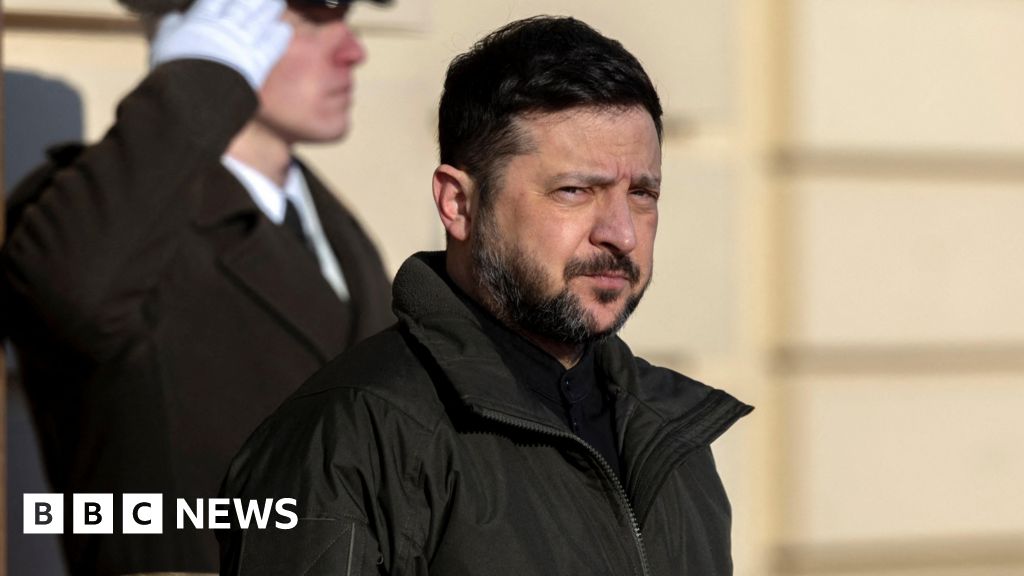
The complexities of replenishing Ukraine’s air defense stocks are manifold. The production cycles for advanced interceptor missiles are lengthy, often spanning years, and Western defense industrial bases, largely scaled down after the Cold War, have struggled to ramp up production to meet the unprecedented demands of the conflict. Furthermore, the sheer financial cost of these systems and their munitions is staggering, placing additional burdens on donor nations already grappling with domestic economic pressures. The political will to maintain high levels of military aid also faces scrutiny as the conflict drags on, with some allied capitals experiencing "aid fatigue" or diverting attention to other global crises. Zelensky’s critique of stockpiling therefore taps into a broader debate about the readiness and responsiveness of the collective defense industry of democratic nations in an era of renewed great power competition.
On the domestic front, the Ukrainian government has taken decisive action to address the burgeoning energy crisis. Earlier this week, Kyiv formally declared a state of emergency within its energy sector, a measure that centralizes control and expedites decision-making processes. Former Prime Minister Denys Shmyhal was appointed as the energy minister, tasked with the monumental challenge of stabilizing the nation’s power grid. Shmyhal conveyed to the Ukrainian parliament that Moscow’s strategy was explicitly "betting it can break us through energy terror," reinforcing the narrative of a deliberate campaign of psychological and infrastructural warfare. In response, he has ordered state-owned energy companies to significantly increase their energy imports, a costly but essential step to compensate for domestic generation shortfalls. Thousands of dedicated energy workers are engaged in a heroic race against time and extreme weather, tirelessly repairing damaged power plants, substations, and transmission lines under constant threat of renewed attacks. Their efforts are crucial not only for immediate relief but also for the long-term resilience of the nation’s energy infrastructure.
The impact of this energy crisis extends beyond immediate discomfort; it poses a strategic threat to Ukraine’s war effort. A crippled energy grid complicates military logistics, reduces industrial output, and strains public services, all of which are vital components of national resistance. The ability of the Ukrainian population to endure extreme cold without basic amenities is a test of their resolve, which Moscow hopes to break. However, historical precedent suggests that such tactics often backfire, solidifying public defiance rather than fostering capitulation. The measures taken by authorities, such as the provision of emergency heating points and the relaxation of curfews, are not merely humanitarian gestures but also strategic efforts to mitigate the psychological impact of the "energy terror" and maintain social cohesion.
Looking ahead, President Zelensky revealed that Ukraine possesses "intelligence information" indicating Russia’s preparations for further large-scale strikes. This forewarning amplifies the urgency of securing additional air defense assets, as Kyiv anticipates another wave of attacks designed to further degrade its critical infrastructure. The continuous flow of intelligence is vital for preemptive defense and resource allocation, allowing Ukrainian forces to position their limited air defense assets strategically. The ongoing Russian military actions, exemplified by continued strikes into Friday, including a deadly incident in the central Ukrainian city of Nikopol where two individuals were killed, underscore the persistent threat and the imperative for constant vigilance.
Amidst these military and energy challenges, diplomatic efforts continue in parallel. President Zelensky announced that Ukrainian negotiators were en route to the United States for discussions concerning a potential ceasefire. This diplomatic initiative highlights the dual track approach Ukraine is pursuing: robust defense coupled with strategic engagement. Zelensky expressed optimism that proposals could be finalized and signed with the US during the upcoming World Economic Forum meeting in Davos, Switzerland, provided there is full agreement from the American side. The World Economic Forum, a gathering of global leaders and economic powerhouses, would provide a high-profile platform for such a significant diplomatic breakthrough, lending international weight and legitimacy to any potential agreements. However, the path to a sustainable ceasefire is fraught with complexities, requiring intricate negotiations over territorial integrity, security guarantees, and the future status of occupied regions.
The current confluence of events—critical air defense shortages, a brutal winter offensive against infrastructure, and ongoing diplomatic overtures—paints a picture of a nation under immense pressure. Ukraine is engaged in a multifaceted war of attrition, battling not only on the front lines but also against the elements and the systematic degradation of its societal foundations. The resilience of its people, coupled with sustained international support, remains paramount. The long-term implications of Russia’s infrastructure campaign could necessitate a fundamental rethinking of Ukraine’s energy architecture, potentially moving towards more decentralized and hardened systems less vulnerable to large-scale attacks. For the immediate future, however, the call for "insufficient" air defense supplies to be rapidly augmented stands as a stark reminder of the urgent struggle for survival unfolding across Ukraine. The global community’s response to this plea will be a critical determinant in the ongoing conflict, shaping not only Ukraine’s immediate fate but also the broader geopolitical landscape.




 Aura Kasih
 Safa Marwah
 Ayu Aulia