Aura Kasih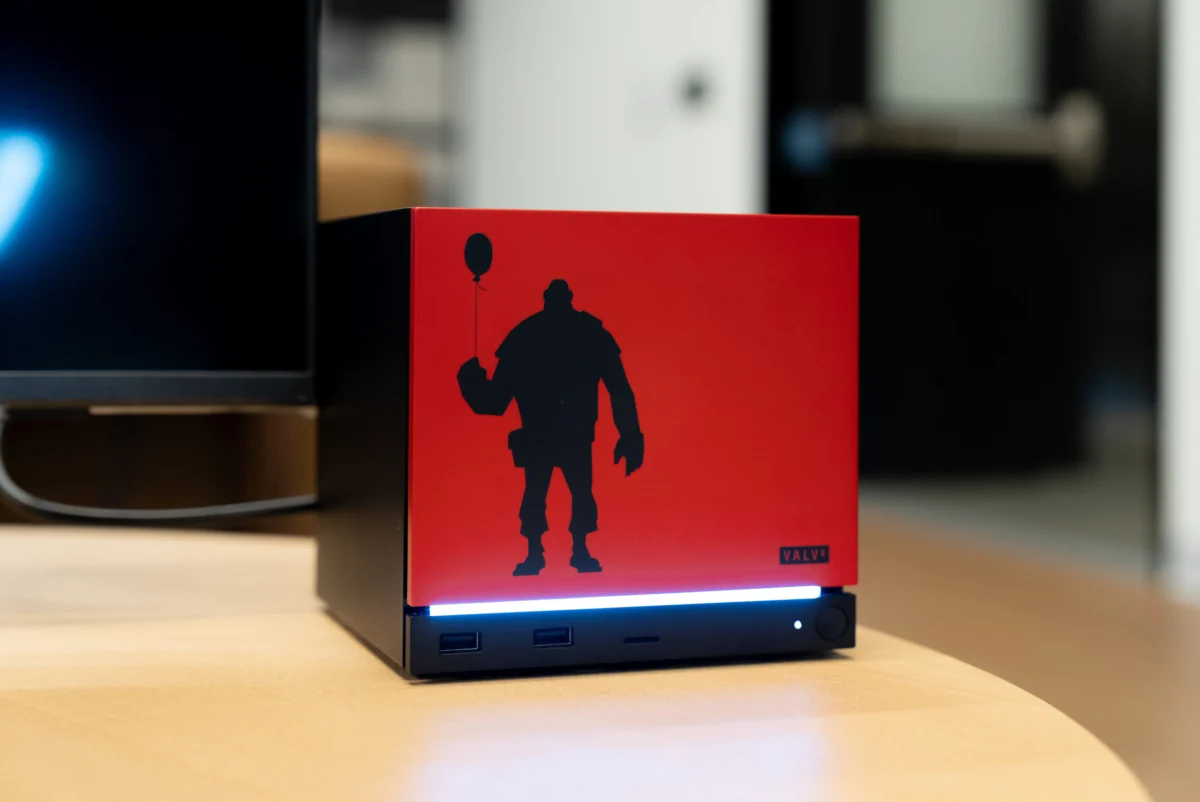
The latest iteration of Valve’s SteamOS, version 3.8.0, has been released to preview, ushering in a significant wave of enhancements and expanded hardware support that promises to reshape the landscape of portable and living room PC gaming. This substantial update not only lays the groundwork for the forthcoming Steam Machine revival but also introduces long-coveted features for Valve’s own handheld devices and dramatically broadens compatibility with a diverse array of third-party handheld PCs.
The strategic rollout of SteamOS 3.8.0 marks a pivotal moment for Valve’s ambitious ecosystem. For years, the company has been diligently cultivating a seamless gaming experience that transcends traditional PC setups, aiming to bring the vast Steam library to more accessible and versatile hardware. This latest update is a testament to that vision, demonstrating a commitment to not only refining their existing hardware but also fostering a more inclusive and feature-rich environment for the burgeoning handheld PC market.
A New Era for Portable Power Management and Connectivity
One of the most impactful additions for existing Steam Deck users, specifically the LCD model, is the introduction of genuine hibernation and "memory power down" modes. This is a feature that has been conspicuously absent from previous iterations, often leaving users with less efficient power management compared to some Windows-based devices. By implementing these deep sleep states, SteamOS 3.8.0 aims to significantly extend battery life when the device is not actively in use. Previously, the Steam Deck relied on a quick-access, instant-on sleep mode, which, while convenient, consumed more power than a system that could intelligently shut down non-essential components and save its current state to RAM or even storage. This advancement directly addresses a key pain point for portable gamers, enabling longer play sessions away from a power source and reducing the anxiety of a depleted battery during critical gameplay moments.
Furthermore, Valve has finally heeded user feedback by integrating a crucial audio setting within Gaming Mode: the ability to utilize Bluetooth headset microphones. This has been a persistent request since the Steam Deck’s inception, and its inclusion in this update will dramatically enhance the social and communicative aspects of portable gaming. Whether engaging in multiplayer titles or simply communicating with friends, the seamless integration of microphone functionality for Bluetooth headsets is a significant quality-of-life improvement. While this feature was previously available in the Linux desktop mode, its presence in the streamlined Gaming Mode signifies a more complete and user-friendly experience for the primary intended use case of the Steam Deck. Additionally, the Steam Deck LCD model sees the re-enabling of Bluetooth Wake functionality. This feature allows users to power on their docked Steam Deck from a remote location using a wireless controller, further solidifying its role as a versatile living room gaming console.
Elevating the Desktop Experience for Home Entertainment

Beyond the portable realm, SteamOS 3.8.0 brings a suite of sophisticated enhancements to its Linux desktop modes, which are particularly relevant for users who intend to connect their Steam Machines or handheld PCs to a television or monitor. The inclusion of desktop HDR (High Dynamic Range) support promises a more vibrant and visually immersive gaming experience, with deeper blacks, brighter whites, and a wider spectrum of colors. This advancement is crucial for capitalizing on modern display technology and delivering games as their creators intended.
Variable Refresh Rate (VRR) display support is another game-changer, enabling smoother gameplay by synchronizing the display’s refresh rate with the game’s frame rate. This eliminates screen tearing and reduces stuttering, resulting in a more fluid and responsive visual presentation, especially in fast-paced action titles. Per-display scaling options offer greater flexibility for users with multi-monitor setups or those who prefer to fine-tune the visual output on their primary display. This granular control over scaling ensures that text and graphical elements appear sharp and legible across different resolutions and aspect ratios.
The underlying operating system has also received a significant upgrade, with SteamOS 3.8.0 now featuring KDE Plasma 6.4.3. This move to a more recent and robust desktop environment brings with it a host of under-the-hood improvements, stability enhancements, and potentially new customization options. The mention of "improved windowing behavior for games running in Proton" is particularly noteworthy, indicating Valve’s continued dedication to optimizing the compatibility layer that allows Windows games to run on Linux. This suggests that a wider array of titles will perform more reliably and with fewer graphical glitches, further expanding the playable library for SteamOS users.
For users employing their SteamOS devices as home entertainment hubs, the ability to automatically detect and configure surround sound audio channels over HDMI is a welcome addition. While surround sound capabilities have existed previously, this new implementation promises a more robust and user-friendly automatic detection mechanism, ensuring that users can easily leverage multi-channel audio setups for a more immersive auditory experience. This, coupled with an updated graphics driver and a new Arch system base, underscores Valve’s commitment to providing a stable and performant foundation for PC gaming across diverse hardware configurations.
Broadening Horizons: Unprecedented Support for Third-Party Handhelds
Perhaps the most striking aspect of SteamOS 3.8.0 is the sheer volume of improvements dedicated to the "Non-Deck" hardware category. This signifies Valve’s deepening commitment to making SteamOS a viable and attractive operating system for a wide spectrum of portable gaming devices beyond their own Steam Deck. The long-press power button functionality, now engineered to work across a broad range of devices, simplifies essential system operations like powering off, restarting, and switching to desktop mode, enhancing usability for users of various handhelds.
Specific optimizations target popular competing devices. For the Xbox Ally series, users can now expect to manage their processor’s power modes directly within SteamOS, offering greater control over performance and battery life. Night mode and screen color settings are now functional on AMD Z2 Extreme handhelds, addressing visual comfort and accessibility for users of these devices.

The update also brings significant improvements to video memory management for discrete GPU platforms, a crucial factor for achieving optimal performance in demanding games. Furthermore, Lenovo Legion Go handhelds gain the ability to limit battery charging in desktop mode, a feature that can help prolong the lifespan of the device’s battery. A particularly important fix addresses "washed out colors for Zotac and OneXPlayer handhelds with OLED," ensuring that these devices can fully leverage the vibrant capabilities of their OLED displays for a more visually accurate gaming experience.
The Strategic Landscape of SteamOS Expansion
Valve’s strategy of extending SteamOS beyond its proprietary hardware began in earnest last May, marking a significant shift in its approach to the gaming ecosystem. While the company has been cautious about making explicit promises regarding broad support, their recent actions clearly indicate a desire to foster a more open and interconnected platform. The current model, where most rival manufacturers do not ship their handhelds with pre-loaded SteamOS, emphasizes Valve’s deliberate approach. Lenovo stands as a notable exception, with a forthcoming variant of the Legion Go 2 slated to feature SteamOS pre-installed, underscoring a developing partnership.
For users seeking to install SteamOS on other handheld devices, the process currently involves sideloading, a procedure that, while supported by Valve’s improvements, still requires a degree of technical proficiency and is undertaken at the user’s own risk. This approach allows for experimentation and community-driven adoption while maintaining a controlled environment for official support.
The breadth and depth of SteamOS 3.8.0’s features and expanded hardware compatibility represent a significant leap forward for Valve’s gaming initiatives. By catering to the needs of both their dedicated user base and the rapidly growing community of handheld PC enthusiasts, Valve is not only strengthening its position in the portable gaming market but also laying a robust foundation for the future of PC gaming, making it more accessible, versatile, and immersive than ever before. The implications of this update extend beyond mere feature additions; they signify a strategic investment in an open, adaptable gaming ecosystem that benefits both developers and players across a diverse range of hardware.



 Lisa Mariana