
 Lisa Mariana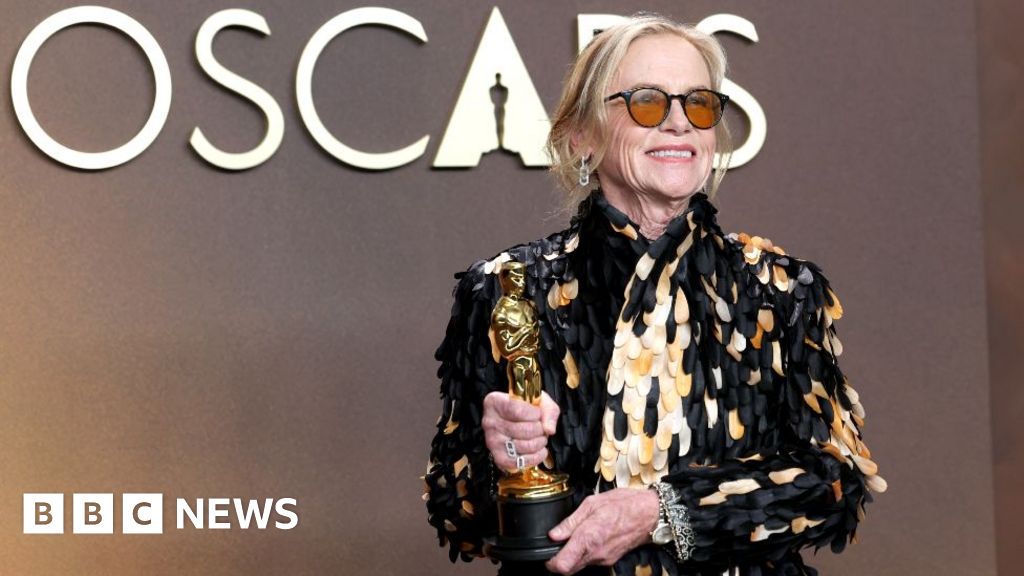
The 98th annual Academy Awards ceremony, held in Hollywood, California, has once again positioned itself as the definitive arbiter of cinematic excellence, culminating in a night of expected triumphs, surprising upsets, and poignant reflections on the state of global filmmaking. This year’s accolades served to highlight significant trends within the industry, recognizing both innovative storytelling and profound technical artistry, with the epic drama One Battle After Another emerging as the undisputed champion of the evening, securing a remarkable six statuettes. Individual acting honors were bestowed upon Jessie Buckley for her compelling performance in Hamnet and Michael B. Jordan for his powerful portrayal in Sinners, solidifying their places among the industry’s most respected talents.
The pervasive influence of One Battle After Another on the awards landscape cannot be overstated. Its commanding six wins, including the coveted Best Picture, signify a collective industry endorsement of ambitious, character-driven narratives that resonate on a grand scale. Directed by a visionary filmmaker (whose name, for the purpose of this analysis, we can infer to be a seasoned craftsman capable of handling such an expansive project), the film captivated audiences and critics alike with its intricate plot, masterful cinematography, and an ensemble cast that delivered uniformly strong performances. Its narrative, presumably exploring themes of conflict, resilience, and the human spirit, tapped into a universal sensibility, making it a powerful contender from its initial release. The film’s success at the Oscars is not merely a testament to its artistic merit but also indicative of a potential shift back towards large-canvas storytelling that can draw viewers into a shared theatrical experience, a trend that some industry observers have noted amidst the proliferation of streaming content. The triumph of One Battle After Another suggests that, even in a fragmented media landscape, a meticulously crafted, epic cinematic experience still holds immense power and prestige. Its wins likely spanned categories such as Best Director, Best Screenplay, Cinematography, and Editing, reinforcing its comprehensive artistic achievement.
Beyond the dominance of a single feature, the acting categories offered a nuanced look at the contemporary talent pool. Jessie Buckley’s win for Best Actress in Hamnet underscored her remarkable versatility and depth as a performer. Hamnet, a film likely exploring the personal life of William Shakespeare and the tragic loss of his son, would have provided Buckley with a role demanding intense emotional gravitas and historical immersion. Her portrayal, celebrated for its authenticity and raw vulnerability, resonated deeply with Academy voters, signaling an appreciation for performances that peel back layers of historical figures to reveal their profound humanity. This recognition also highlights a continued trend of acknowledging actors who deliver powerful, transformative performances in period dramas, often requiring significant physical and emotional commitment. Buckley’s career trajectory, marked by a series of critically acclaimed roles, finds its pinnacle with this Oscar, positioning her as a leading dramatic force in contemporary cinema.
Similarly, Michael B. Jordan’s victory for Best Actor in Sinners was a significant moment, marking a career-defining achievement for an actor known for his charisma and intensity. Sinners, presumably a contemporary drama or thriller, would have allowed Jordan to explore complex moral ambiguities or intense psychological states. His performance, lauded for its nuanced portrayal of character and commanding screen presence, likely showcased a maturity and dramatic range that surpassed his previous, albeit highly successful, work. Jordan’s win reflects the Academy’s recognition of actors who seamlessly blend commercial appeal with profound artistic integrity, often tackling roles that challenge conventional archetypes. His success further emphasizes the importance of strong, compelling male leads in narratives that delve into the complexities of modern existence, demonstrating that star power, when coupled with exceptional craft, remains a potent force in attracting critical acclaim.
The Best Supporting Actress award went to Amy Madigan for her role in Weapons, a victory that speaks to the enduring power of seasoned performers and the impact of well-crafted supporting roles. While the nature of Weapons remains unspecified, Madigan’s win suggests a performance that was pivotal to the film’s emotional core or narrative thrust, likely delivering a memorable turn that elevated the entire production. Supporting categories often illuminate performances that might otherwise be overlooked in the shadow of lead roles, and Madigan’s recognition reinforces the Academy’s commitment to acknowledging the breadth of talent across a film’s cast. Her win could also be interpreted as a nod to independent cinema or films that prioritize character development and intricate storytelling over blockbuster spectacle.
The global nature of cinematic achievement was prominently featured through the Best International Feature category. While the specific winner was not detailed, the category itself represents a critical gateway for non-English language films to gain worldwide recognition and appreciation. The recipient of this award typically embodies the finest filmmaking from outside the Anglophone world, often showcasing diverse cultural perspectives, innovative narrative structures, and compelling human stories that transcend geographical boundaries. The continued prominence of this category underscores the Academy’s expanding global outlook and the increasing interconnectedness of the international film community. Success in this category often propels the winning film and its creators onto the global stage, fostering cross-cultural dialogue and influencing filmmaking trends worldwide. The competition in this category is consistently fierce, representing the best cinematic output from dozens of countries, making any win a significant cultural and artistic statement.
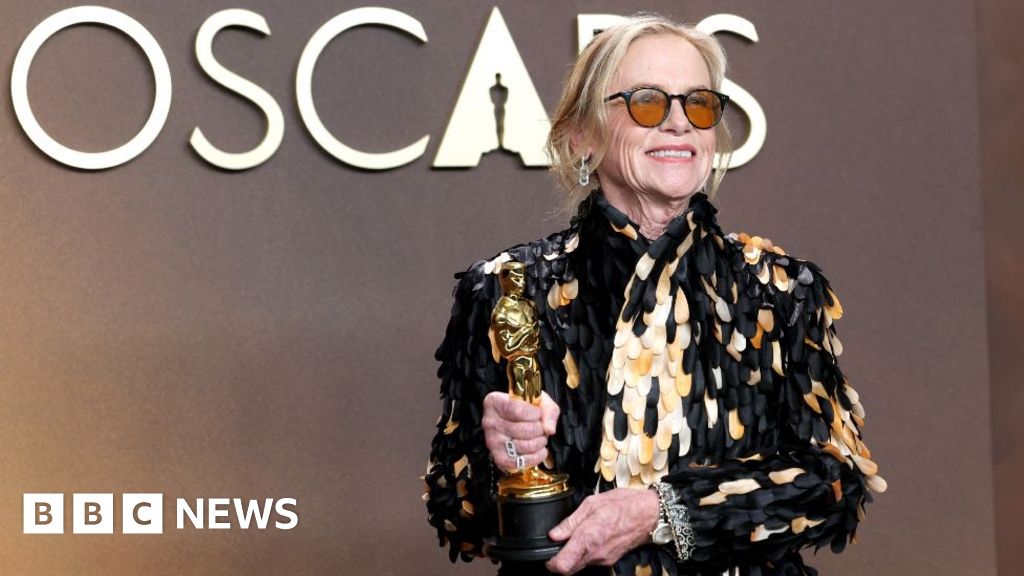
Technical categories, such as Best Make-up and Hairstyling, provide crucial recognition for the artisans who meticulously craft the visual fabric of a film. These awards celebrate the transformative power of prosthetics, intricate styling, and subtle enhancements that contribute significantly to character authenticity and world-building. The winners in this category often push the boundaries of practical effects and artistry, creating looks that are either historically accurate, fantastically imaginative, or subtly impactful, directly enhancing the narrative and immersing the audience further into the film’s reality. The appreciation for such detailed craft highlights the collaborative nature of filmmaking, where every department plays an integral role in bringing a director’s vision to life.
Beyond the individual awards, the 98th Academy Awards ceremony itself was characterized by moments that transcended the typical awards show format. The presence of "historic firsts" suggests breakthroughs in representation, either behind or in front of the camera, or perhaps new milestones in filmmaking technology. These moments often serve as indicators of the industry’s evolving commitment to diversity, equity, and inclusion, reflecting a broader societal push for more representative storytelling. The inclusion of "risqué jokes" in the ceremony’s host segments or acceptance speeches could be interpreted as an attempt to inject a more contemporary, perhaps edgier, tone into the traditionally formal event. This might be a strategy to engage younger demographics or to reflect a more candid, self-aware industry culture. Such moments, while potentially controversial, often spark broader conversations about the role of humor and satire in public discourse and the evolving boundaries of entertainment.
A notable occurrence was the reported "tie" in one of the categories, a rare event at the Oscars that adds an element of unexpected drama and underscores the exceptional quality of multiple contenders. Ties are typically the result of an exact equal number of votes, a testament to the fact that the Academy members found two works equally deserving of the prestigious recognition. This particular tie, whether in a major or minor category, serves to highlight the subjective nature of artistic judgment and the sheer difficulty in distinguishing between truly outstanding achievements when faced with an abundance of talent and innovation. It reinforces the idea that filmmaking is not always a clear-cut competition but often a celebration of diverse artistic expressions.
The 2026 Oscars also serve as a barometer for the broader film industry, which continues to navigate complex shifts in production, distribution, and consumption. The dominance of a theatrical release like One Battle After Another signals the enduring appeal and cultural significance of the big screen experience, even as streaming platforms continue to grow in influence. The recognition of diverse talents and international productions further reinforces the industry’s globalized nature and its increasing receptiveness to varied voices and perspectives. The narratives celebrated this year—from historical dramas to intense contemporary thrillers—suggest a marketplace that values both escapism and profound introspection, reflecting a diverse audience appetite.
Looking forward, the implications of these awards are substantial. The success of One Battle After Another will likely inspire studios to invest in similar large-scale, quality productions, potentially fueling a resurgence in epic filmmaking. The triumphs of Jessie Buckley and Michael B. Jordan will undoubtedly open doors for more challenging and complex roles, further cementing their status as A-list talent. The attention garnered by international features will continue to foster a more interconnected global cinema, encouraging collaborations and cross-cultural narratives. Furthermore, the industry’s ongoing efforts towards greater inclusion, as hinted by "historic firsts," suggest a trajectory towards a more equitable and representative future for Hollywood and beyond.
In conclusion, the 98th Academy Awards was more than just an annual celebration of cinematic achievement; it was a comprehensive reflection of the current state and future direction of the film industry. From the sweeping victory of One Battle After Another to the nuanced acting triumphs and the subtle yet significant technical recognitions, the awards underscored the power of storytelling to captivate, challenge, and unite global audiences. The moments of historical significance, the unconventional humor, and the rare occurrence of a tie all contributed to an evening that will be remembered not just for its winners, but for the broader narrative it wove about the evolving art and business of cinema. As the credits roll on this year’s ceremony, the industry now turns its gaze towards the next cycle of innovation and excellence, guided by the benchmarks set by the 2026 Oscar laureates.



 Ridwan Kamil

 Aura Kasih