Aura Kasih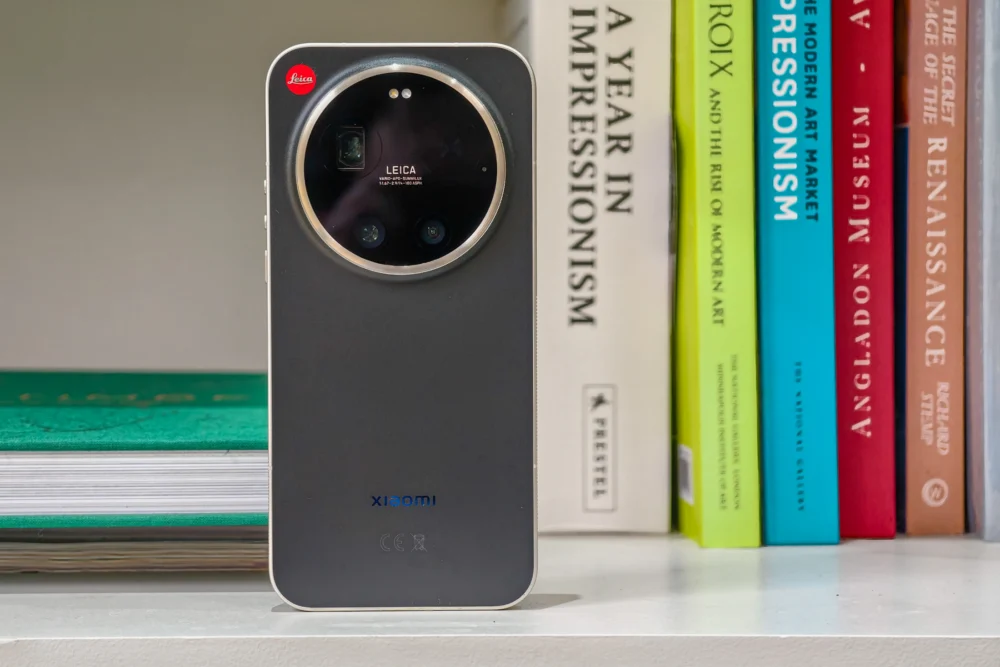
Xiaomi’s latest flagship, the 17 Ultra, represents a significant evolutionary step in the company’s collaboration with the iconic German camera manufacturer, Leica. This partnership, which began with camera integration in 2022, has now culminated in the Leitzphone, the first fully Leica-branded smartphone to be released beyond the Japanese market, which has previously seen exclusive Sharp-manufactured models. The Leitzphone is essentially a refined Xiaomi 17 Ultra, distinguished by its distinct Leica branding, a unique rotating camera ring, and a suite of specialized software enhancements. This deeper integration signifies a profound vote of confidence from Leica, a brand synonymous with photographic excellence, into Xiaomi’s hardware engineering and design capabilities.

The genesis of this collaboration lies in the shared pursuit of unparalleled mobile imaging. While Xiaomi has consistently pushed the boundaries of smartphone technology, Leica’s legacy in optical engineering and image aesthetics provides a crucial layer of refinement. The initial partnership focused on integrating Leica’s renowned lens expertise and color science into Xiaomi’s flagship camera systems. This resulted in devices that delivered superior image quality, characterized by the distinctive "Leica Look" – a nuanced rendering of color, contrast, and sharpness that appeals to discerning photographers. The introduction of the Leitzphone marks a natural progression, transforming the smartphone into a cohesive photographic instrument, rather than merely a device with an advanced camera.
The Leitzphone, built upon the foundation of the Xiaomi 17 Ultra, incorporates several key design elements that underscore its premium positioning. The exterior features a subtly glossy black finish, complemented by knurled aluminum-alloy edges that not only enhance the tactile experience but also contribute to a more secure grip. The iconic red Leica dot logo is prominently displayed, a subtle yet powerful indicator of the device’s photographic lineage. Unlike previous iterations of Leica-branded Xiaomi phones, the Leitzphone’s design is more understated, eschewing the two-tone finishes for a unified, sophisticated aesthetic. This deliberate design choice emphasizes the seamless integration of Leica’s brand identity into the core of the device. Furthermore, the Leitzphone is accompanied by a curated selection of branded accessories, including a faux-leather case with a lens cap, a microfiber cleaning cloth, and a vibrant red wrist strap, all designed to enhance the user’s photographic workflow and overall ownership experience.

Beyond the physical design, the Leitzphone introduces a host of software customizations that further immerse the user in the Leica ecosystem. Running on Xiaomi’s HyperOS 3, based on Android 16, the interface has been meticulously tailored. This includes specialized Leica widgets, offering quick access to photo galleries and a golden-hour timer, enhancing the practical utility for photographers. The integration of custom monochrome app icons for frequently used applications adds a touch of minimalist elegance, though the visual harmony can be disrupted as users install a wider array of third-party apps. The camera application, in particular, receives extensive Leica treatment. Users are presented with an expanded range of Leica filters, and the interface adopts Leica’s signature fonts and a red accent color, a departure from Xiaomi’s customary yellow.
A notable software innovation is the introduction of the "Leica Essential" shooting mode. This mode offers users a choice between two distinct camera simulations: the "M9" simulation, which meticulously recreates the color rendition of the classic Leica M9, and the "M3" simulation, offering a monochromatic interpretation inspired by the iconic Leica M3. This feature allows users to experiment with vintage photographic aesthetics directly on their smartphone, providing a unique creative outlet. Furthermore, the Leitzphone incorporates C2PA (Coalition for Content Provenance and Authenticity) content credentials, enabling users to embed verifiable metadata into every shot they take. This feature is increasingly vital in an era where digital content authenticity is paramount, offering a layer of trust and transparency for professional and amateur photographers alike.

The most distinctive hardware innovation on the Leitzphone is its rotatable camera ring. This elegantly designed metal rim encircles the substantial camera island and can be twisted, providing tactile feedback that emulates the satisfying click of mechanical gears. While it functions effectively as a fidget spinner, its primary purpose is to offer an intuitive physical control mechanism within the camera app. Users can employ the ring to smoothly adjust zoom levels, cycle through exposure settings, or navigate through various filters. This tactile interface aims to bridge the gap between digital smartphone controls and the physical interactions found in traditional cameras, offering a more engaging and precise photographic experience. However, in practical application, its utility can be debated. The substantial size of the camera island, while impressive, means the ring is quite flush with the device, making it somewhat awkward to grip and manipulate precisely. For many users, the on-screen controls may still prove to be quicker and more intuitive, at least until the rotational ring becomes ingrained in their muscle memory.
The Leitzphone’s camera system is a direct inheritance from the Xiaomi 17 Ultra, featuring a sophisticated telephoto lens with continuous optical zoom. This represents a significant advancement over previous generations, which often relied on multiple fixed-magnification telephoto lenses. The 17 Ultra consolidates these into a single unit: a 1/1.4-inch type 200-megapixel sensor paired with a Leica APO zoom lens. This lens covers a focal range equivalent to 75-100mm (3.2-4.3x magnification) and dynamically adjusts its aperture from f/2.39 to f/2.96 across this range. This continuous optical zoom capability is a hallmark of professional photography, allowing for precise framing and maintaining image quality without resorting to digital manipulation.

However, the efficacy of this continuous zoom range is a subject for critical analysis. While it offers more flexibility than fixed-lens systems, the relatively short spread of the optical zoom might limit its practical impact for some users. The range of 75-100mm is undeniably useful, but the incremental changes within this span may not always translate to drastically different compositions. Beyond these limits, users are still reliant on digital zoom or sensor cropping, which can compromise image quality. This is a common critique leveled against similar technologies in the mobile space, highlighting the ongoing challenge of achieving true optical zoom versatility within the constraints of a smartphone form factor.
Despite this nuanced observation on the zoom range, the photographic output of the Leitzphone is, without exception, exceptional. The large sensor contributes to natural bokeh effects and enables impressive macro photography capabilities from a minimum distance of 30cm. The device demonstrates commendable performance in challenging lighting conditions, capturing well-defined images even in dim environments. While there was an instance of highlight blowout on an exceptionally bright day, the overall dynamic range management is superior. The "Leica Authentic" mode, as opposed to "Leica Vibrant," is particularly noteworthy. It delivers a filmic quality, preserving more detail in both highlights and shadows and avoiding the overly processed, flattened appearance that can result from aggressive HDR implementations. This mode appeals to users who appreciate a more natural and nuanced image rendering.

The primary camera system also features a substantial 1-inch-type sensor with a 50-megapixel resolution, a specification shared with the ultrawide and selfie cameras. A significant technological integration is the inclusion of a LOFIC (Lateral Overflow Integration Capacitor) sensor. This advanced sensor technology expands the dynamic range, particularly for highlights, enabling the capture of dramatic skyline shots and enhancing overall performance in low-light scenarios with bright artificial lights. The synergy between these advanced hardware components and Leica’s image processing algorithms results in a truly outstanding mobile photography experience.
Beyond its photographic prowess, the Leitzphone is a formidable flagship device in all respects. It is powered by Qualcomm’s Snapdragon 8 Elite Gen 5 chipset, paired with a generous 16GB of RAM and a substantial 1TB of internal storage (with a 512GB option available for the standard 17 Ultra). The display is a vibrant 6.9-inch 1-120Hz LTPO OLED panel, offering smooth visuals and excellent color reproduction. The device also boasts IP68 protection against dust and water ingress, ensuring durability and reliability in various environments.

A standout feature is the battery, a 6,000mAh silicon-carbon cell. While smaller than its Chinese counterpart, it still offers impressive endurance. Even under demanding usage scenarios involving extensive screen time and intensive applications, the Leitzphone consistently delivers nearly two days of use on a single charge, albeit with minimal remaining power towards the end of the second day. Recharging is swift, with support for 90W PPS wired charging and 50W wireless charging. However, it is worth noting that the device’s wireless charging capabilities are limited to standard Qi speeds over third-party chargers, and it does not support the newer Qi2 magnetic standard. This is a minor consideration in the grand scheme of its premium features, but one that might be relevant for users invested in the Qi2 ecosystem.
The overarching question for potential buyers revolves around the value proposition of the Leitzphone compared to the standard Xiaomi 17 Ultra. The Leitzphone commands a significant premium, and while it offers a refined aesthetic, unique software features, and the inclusion of a distinct case, these enhancements may not justify the additional cost for all consumers. The core photographic capabilities and performance remain largely consistent with the 17 Ultra, which is already an exceptional device. The decision to opt for the Leitzphone hinges on an individual’s appreciation for the Leica brand, the subtle design enhancements, and the desire for the specialized Leica shooting modes and the tactile camera ring. For those who are deeply invested in the Leica philosophy and seek a smartphone that embodies that heritage, the Leitzphone represents a compelling, albeit premium, choice. However, for users prioritizing raw performance and photographic capability without the specific brand cachet, the standard Xiaomi 17 Ultra may offer a more pragmatic and cost-effective solution. The success of the Leitzphone will ultimately depend on its ability to articulate the tangible benefits of its premium positioning beyond mere branding.



 Ayu Aulia
 Lisa Mariana