Aura Kasih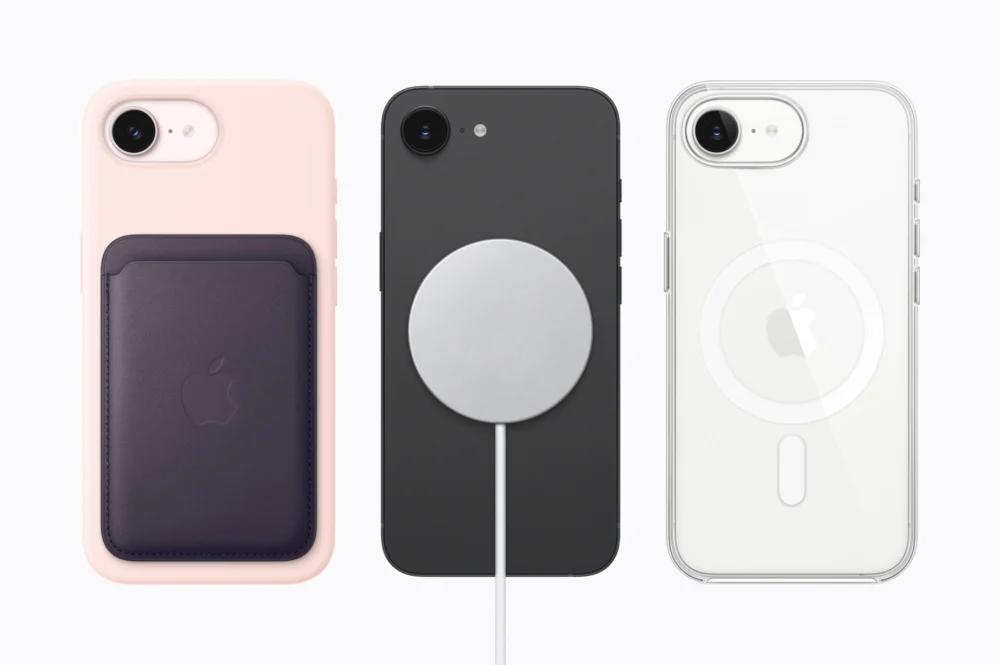
Apple has strategically broadened its iPhone 17 portfolio with the introduction of the iPhone 17E, a device engineered to bridge the gap between cutting-edge technology and a more attainable price point. Scheduled for release on Wednesday, March 11th, with pre-orders commencing on March 4th, the iPhone 17E enters the market at a starting price of $599. This new entrant joins a tiered lineup that includes the standard iPhone 17 ($799), the more powerful iPhone 17 Pro ($1,099), the top-tier iPhone 17 Pro Max ($1,199), and the sleek iPhone Air ($999). The iPhone 17E represents a significant shift in Apple’s pricing strategy, offering a compelling entry point for consumers seeking the Apple experience without the premium cost associated with its flagship models.
Historically, Apple’s "E" designated models have served as a more budget-conscious offering, but the iPhone 17E marks a notable departure from its predecessor, the iPhone 16E. This latest iteration boasts a suite of upgrades that significantly elevate its standing within the iPhone 17 family. Foremost among these enhancements is the integration of MagSafe and Qi2 wireless charging capabilities, bringing a more convenient and robust charging experience to a lower price tier. This aligns the 17E with the charging standards of its more expensive siblings, a crucial development for users accustomed to or seeking out wireless charging convenience.
Furthermore, the iPhone 17E is powered by the A19 chip, the same processor found in the standard iPhone 17. This decision to equip the budget model with a recent generation processor signifies a commitment to delivering strong performance, ensuring a smooth and responsive user experience for everyday tasks, app usage, and even more demanding applications. This move is particularly impactful as it avoids the common industry practice of relegating older or less powerful chipsets to lower-priced models, thereby maintaining a more consistent performance standard across the lineup.
Storage is another area where the iPhone 17E sees a substantial upgrade. It now offers double the base storage compared to the previous 16E, starting at 256GB. This generous allotment addresses a common consumer pain point – the need for ample storage for photos, videos, apps, and other digital content – and positions the 17E as a more practical option for a wider range of users. The inclusion of a sharper and more durable display also enhances the device’s appeal, promising a better visual experience and increased resilience against daily wear and tear.
Crucially, the iPhone 17E retains support for Apple Intelligence, the company’s advanced suite of AI-powered features designed to enhance productivity, creativity, and personalization. This integration ensures that even the most accessible iPhone model benefits from Apple’s latest software innovations, allowing users to leverage features like intelligent text generation, advanced image editing, and personalized recommendations. The inclusion of a 48-megapixel "fusion" camera, capable of 2x telephoto shots, further blurs the lines between the 17E and its pricier counterparts. This sophisticated camera system suggests a commitment to delivering high-quality photography at an accessible price, offering users the ability to capture detailed images and achieve creative zoom effects.
However, the $599 price tag necessitates certain compromises to differentiate the 17E from the more premium iPhone 17 models. The display, while sharper and more durable, remains a 6.1-inch 60Hz panel. This makes it the smallest display within the iPhone 17 series and notably lacks the smoother 120Hz refresh rate found on the iPhone 17, Air, and Pro models. This difference will be most apparent in scrolling, animations, and gaming, where the higher refresh rate provides a more fluid visual experience.
Furthermore, the iPhone 17E foregoes certain signature Apple display features. It does not include an always-on display, which allows users to see essential information like the time and notifications at a glance without fully waking the phone. It also omits the Dynamic Island, Apple’s innovative pill-shaped cutout that dynamically displays alerts, live activities, and background tasks. While functional, the absence of these features positions the 17E as a more conventional smartphone experience compared to the immersive and interactive nature of the higher-end models. The display’s peak brightness is also capped at 1,200 nits, which, while adequate for most indoor conditions, may be less optimal for outdoor visibility in bright sunlight compared to the significantly brighter displays on the other iPhone 17 models.

Camera hardware presents another key area of differentiation. While the 17E, Air, and standard iPhone 17 all share a 48-megapixel main sensor, the iPhone 17 distinguishes itself by including a dedicated ultrawide camera. This additional lens not only expands photographic versatility by enabling wider shots but also facilitates macro photography for intricate close-up images. The iPhone 17 and Air also boast an 18-megapixel front-facing camera, offering superior detail for selfies and video calls compared to the 17E’s 12-megapixel shooter. This distinction in front-facing camera quality is a subtle but significant factor for users who prioritize high-quality self-portraits and video conferencing.
The Pro and Pro Max models further differentiate themselves with even more advanced camera systems, including dedicated telephoto lenses that provide greater optical zoom capabilities. Additionally, all iPhone 17 models except the 17E feature the Camera Control button. This dedicated hardware button is designed for quick camera activation and granular control over settings, streamlining the photography workflow for users who frequently engage with their device’s camera.
Charging speeds and battery life represent additional areas where the pricing tiers are reflected. The iPhone 17E supports MagSafe and Qi2 wireless charging at up to 15W. In contrast, the iPhone 17, iPhone Air, and both Pro models support faster 25W wireless charging. This translates to a noticeable difference in charging time; Apple states that the 17E can reach 50 percent charge in approximately 30 minutes, whereas the higher-end models can achieve the same charge level in around 20 minutes. Battery endurance also scales with price, with the 17E rated for up to 26 hours of video playback. While this is a respectable figure, it falls short of the iPhone Air and the Pro Max models, which can offer significantly longer battery life, with some configurations reaching up to 39 hours of video playback. This suggests that while the 17E provides solid all-day battery performance for typical usage, extended power users may find the higher-end models more suitable for prolonged, intensive use.
The strategic positioning of the iPhone 17E within Apple’s expanded lineup is a calculated move to capture a broader segment of the smartphone market. By offering a device that retains core functionalities, essential performance, and key modern features like MagSafe and Apple Intelligence support at a sub-$700 price point, Apple aims to attract new users who may have previously found its offerings too expensive. This approach not only expands Apple’s customer base but also provides a pathway for users to eventually upgrade to more premium models as their needs or budgets evolve. The inclusion of 256GB as the base storage is particularly noteworthy, as it eliminates the common compromise of starting with a smaller storage capacity that often necessitates immediate upgrades or careful data management.
The differentiation in display technology, specifically the 60Hz versus 120Hz refresh rates and the inclusion of Always-On Display and Dynamic Island, serves as a clear visual and functional cue for consumers to distinguish between the entry-level and premium tiers. For users who are sensitive to screen fluidity or value the convenience of glanceable information, these features represent significant advantages of the higher-priced models. Similarly, the nuances in camera systems, particularly the addition of ultrawide and telephoto lenses, cater to photography enthusiasts who demand greater creative control and image quality.
The A19 chip powering the iPhone 17E is a crucial element in its value proposition. By leveraging a recent-generation processor, Apple ensures that the device is not merely a budget option but a capable smartphone that can handle the demands of modern mobile computing. This contrasts with some competitors who might place significantly older processors in their entry-level devices, leading to a more sluggish user experience. The consistent integration of Apple Intelligence further reinforces the notion that the 17E is a fully-fledged member of the iPhone 17 family, offering access to the company’s latest software innovations.
The introduction of the iPhone 17E signifies a potential shift in Apple’s market strategy. While the company has historically focused on premium segments, this move indicates an intent to compete more aggressively in the mid-range market without diluting the premium perception of its Pro models. The success of this strategy will likely depend on consumer reception and how effectively Apple can communicate the value proposition of the 17E while maintaining the aspirational appeal of its higher-end offerings. The competitive landscape in the mid-range smartphone market is intense, and the iPhone 17E will need to demonstrate a compelling balance of features, performance, and price to capture significant market share.
Looking ahead, the iPhone 17E’s success could pave the way for further segmentation of Apple’s product lines. As technology evolves and manufacturing costs potentially decrease, it is plausible that future "E" models could incorporate even more advanced features, further blurring the lines between different tiers. Conversely, the Pro models will likely continue to push the boundaries of innovation, incorporating next-generation processors, advanced camera technologies, and novel display features to maintain their premium positioning. The iPhone 17E, therefore, represents not just a new product but a strategic pivot, aiming to broaden Apple’s reach and solidify its dominance across a wider spectrum of the global smartphone market. The careful calibration of features and pricing in the iPhone 17E suggests a mature understanding of consumer demand and a deliberate effort to make the Apple ecosystem more accessible without compromising its core values of quality, performance, and user experience.




 Lisa Mariana

 Ridwan Kamil