Lisa Mariana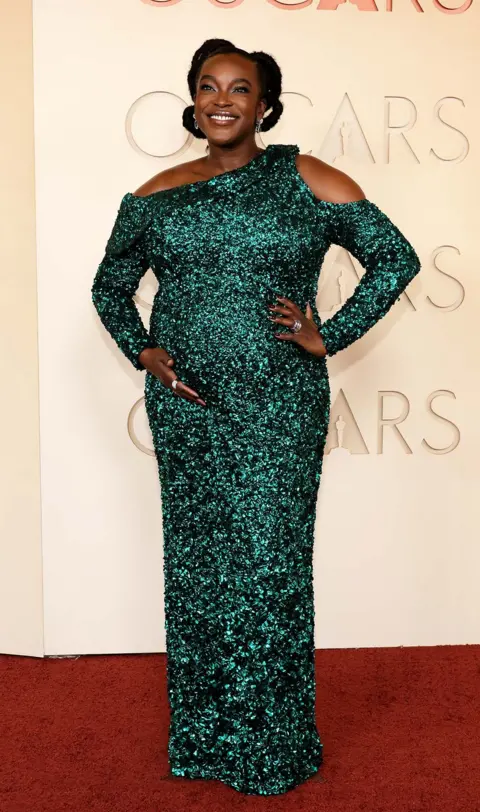
The annual Academy Awards ceremony, a pinnacle of cinematic achievement, unfurled its celebrated red carpet in Los Angeles on Sunday, transforming the event into a dynamic showcase of haute couture and profound celebrity influence. Beyond its primary function of honoring film, the red carpet serves as a pivotal global platform where fashion, personal branding, and industry narratives converge, offering a compelling preamble to the evening’s main accolades. This year’s procession underscored the intricate relationship between Hollywood’s elite and the world’s leading luxury design houses, with attendees leveraging their sartorial choices to make powerful statements, solidify their public image, and ignite worldwide fashion discourse.
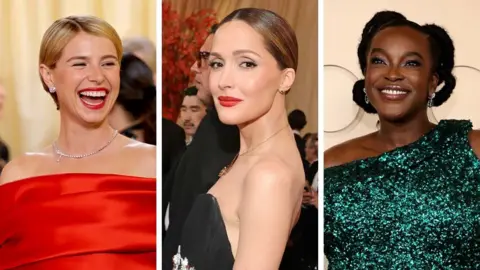
The visual spectacle commenced with an array of distinguished figures, each contributing to a tapestry of diverse styles. Among the earliest to arrive were Jessie Buckley, Rose Byrne, and Wunmi Mosaku, setting a high standard for the evening’s fashion narrative. Their collective presence immediately highlighted the evening’s dual emphasis on artistic merit and stylistic innovation. The red carpet, meticulously arranged for this grand occasion, became a runway for an eclectic mix of traditional elegance and bold experimentation, underscoring the increasing importance of individualized expression within the highly curated environment of awards season.
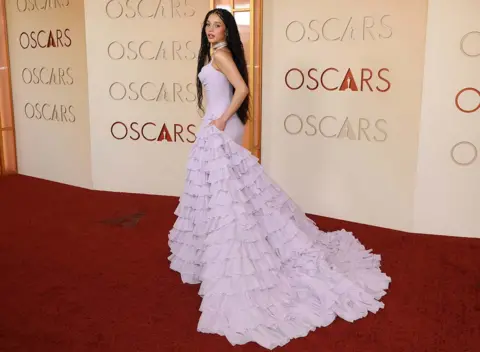
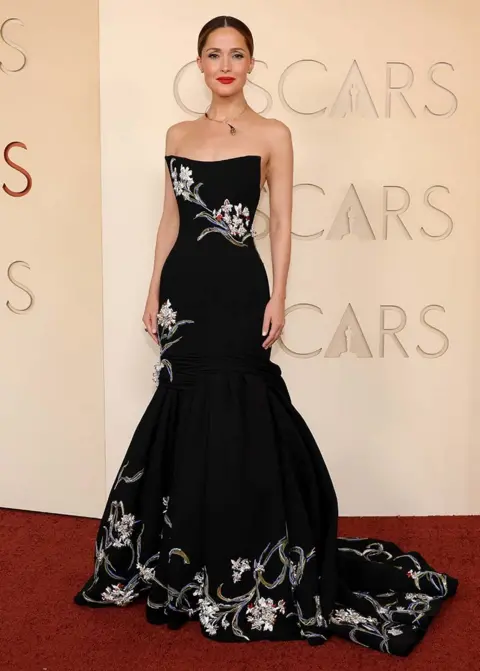
A recurring theme observed was the strategic alignment between prominent nominees and renowned fashion brands, transforming individual appearances into highly anticipated brand activations. Chase Infiniti, a burgeoning force recognized for her role in "One Battle After Another," exemplified this synergy, gracing the event in a custom lavender Louis Vuitton gown. Her ensemble not only celebrated her ascendancy as a significant actress but also cemented her status as an emerging fashion icon, demonstrating the potent synergy between cinematic talent and high-fashion endorsement. Similarly, Rose Byrne, nominated for "If I Had Legs I’d Kick You," showcased a custom black Dior dress, its intricate floral embroidery speaking to a sophisticated blend of classicism and contemporary design. Such partnerships extend beyond mere attire; they represent substantial investments in public relations and mutual brand elevation, solidifying a star’s image while simultaneously amplifying the designer’s global reach.
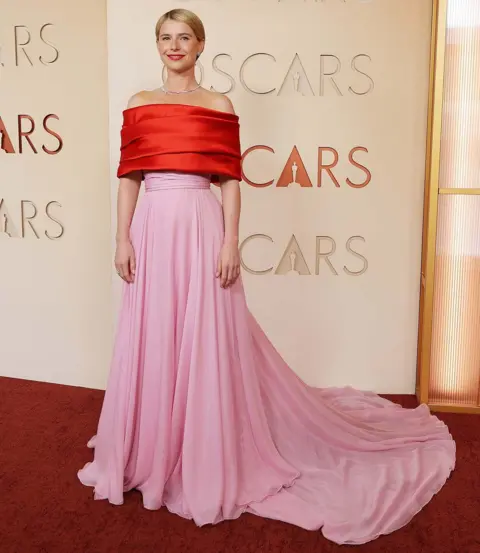
The awards season frequently witnesses stylistic evolutions, and Jessie Buckley, a frontrunner for Best Actress, presented a notable departure from her previous, more subdued aesthetic. Her choice of a vibrant red and pink ensemble signaled a confident and bold shift, reflecting perhaps the culmination of a successful awards campaign and her growing stature within the industry. This deliberate choice of color palette, diverging from her established sartorial preferences, indicates a conscious embrace of visibility and a readiness to engage with fashion as a tool for personal expression on the grandest stage.
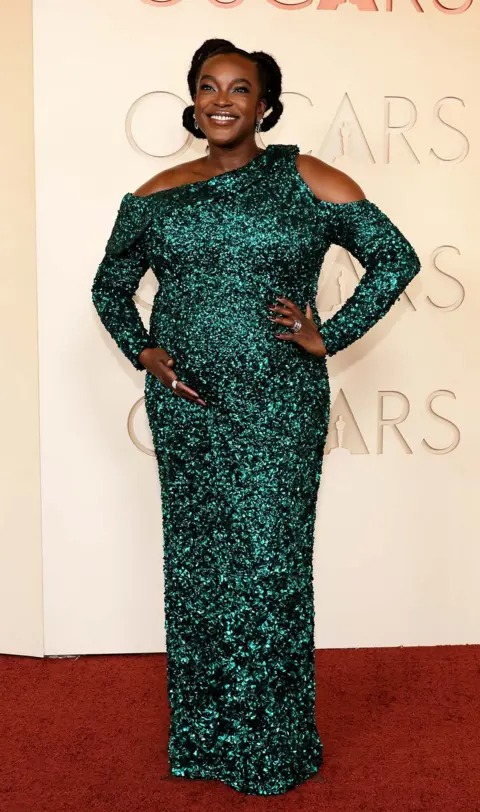
Wunmi Mosaku, the British actress nominated for Best Supporting Actress in "Sinners," offered a poignant and elegant display, cradling her baby bump in a glittering gown featuring a striking cut-out shoulder. Her appearance celebrated personal milestones alongside professional achievements, challenging traditional red carpet norms and showcasing grace and strength. This nuanced approach to red carpet dressing reflects a broader trend of celebrities using the platform to convey authenticity and personal narratives.
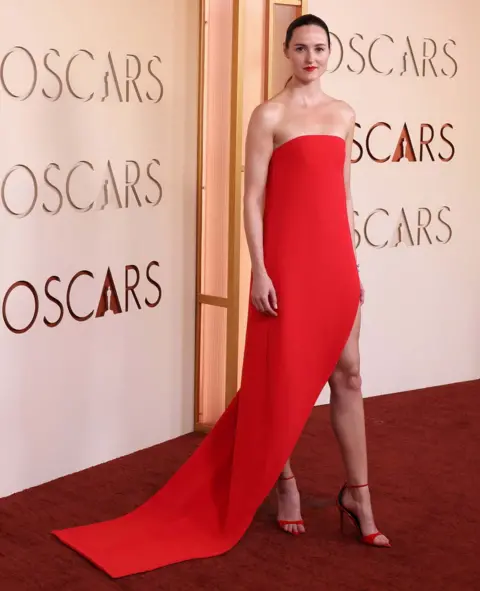
Norwegian actress Renate Reinsve, nominated for "Sentimental Value," continued her consistent patronage of Louis Vuitton, opting for a custom red gown designed by Nicolas Ghesquiere. Her unwavering commitment to a single design house throughout awards season highlights the deliberate strategy behind celebrity endorsements, fostering a recognizable aesthetic and reinforcing brand loyalty. The gown’s "simple yet striking" description points to a refined elegance that prioritizes clean lines and impactful color over overt embellishment.
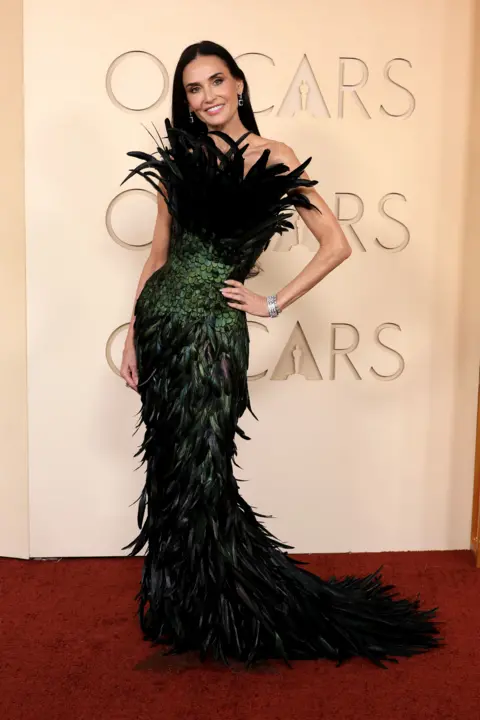
Veteran star Demi Moore, who received acclaim for her "daring comeback role" in "The Substance" last year, returned to the red carpet with an unmissable Gucci creation adorned with feathers. Her choice underscored a theatrical flair, emblematic of a star confidently reasserting her presence with bold and memorable fashion statements. Such selections are often carefully orchestrated to generate buzz and reinforce a narrative of resurgence and creative vitality.
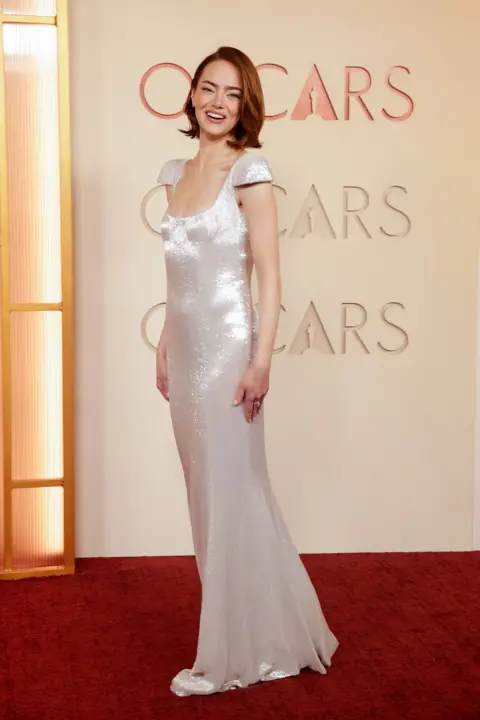
Emma Stone, a formidable contender for Best Actress, epitomized understated glamour in a shimmering oyster Louis Vuitton gown. This choice aligns with a sophisticated aesthetic, where subtle sparkle and luxurious fabrication convey elegance without overt ostentation. The pairing of a leading actress with a prestigious European fashion house reinforces a sense of timeless Hollywood allure.
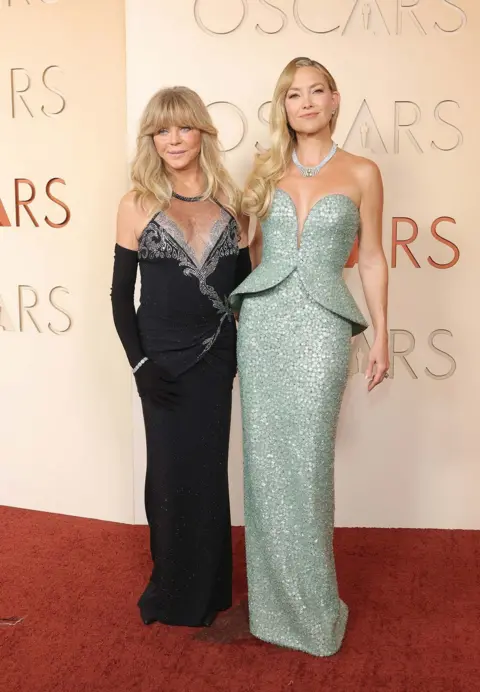
The presence of multi-generational Hollywood royalty was also a highlight, with Kate Hudson, nominated for Best Actress in "Song Sung Blue," arriving alongside her mother, Goldie Hawn, an Oscar winner from 56 years prior. Their joint appearance symbolized Hollywood’s enduring legacy and the familial ties that often run through its storied history, adding a touch of nostalgic glamour to the contemporary event.
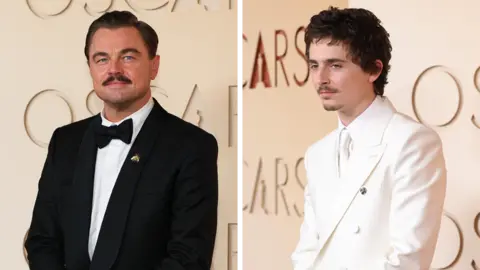
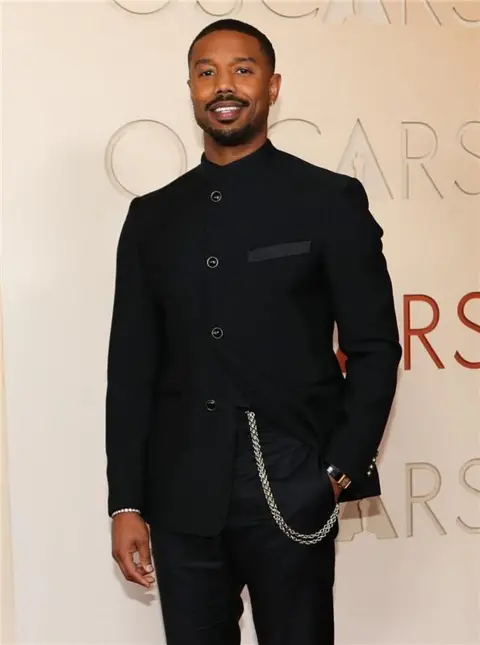
Menswear, too, demonstrated a spectrum of styles. Leonardo DiCaprio, a star of "One Battle After Another," maintained his signature adherence to the classic black tuxedo, a testament to enduring elegance. In stark contrast, fellow Best Actor nominee Timothée Chalamet, recognized for "Marty Supreme," embraced an all-white ensemble, pushing the boundaries of traditional male formalwear and affirming his status as a style provocateur. This dichotomy highlights the evolving landscape of men’s fashion on the red carpet, where classicism coexists with daring innovation. Michael B. Jordan, also a contender for Best Actor for "Sinners," represented another facet of leading men’s style, his presence adding to the diverse sartorial landscape.
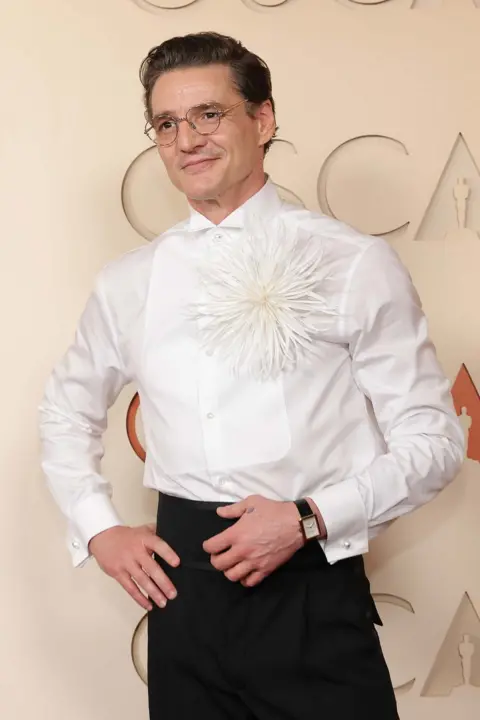
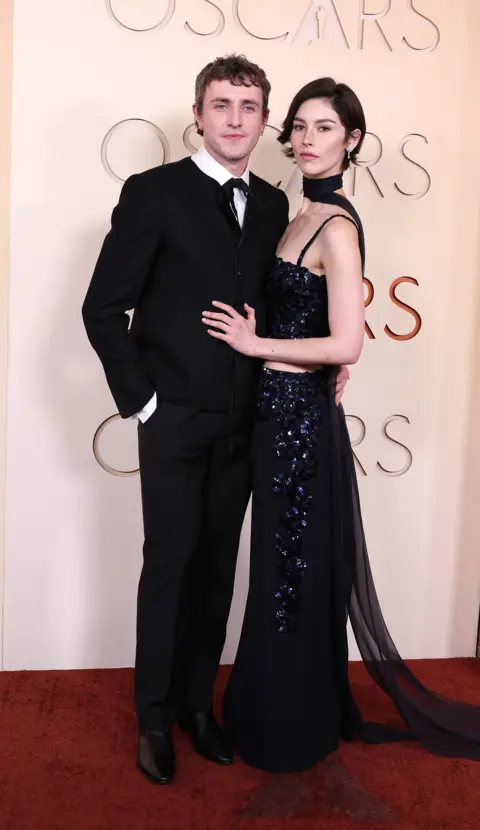
Accessories provided distinct points of interest. Pedro Pascal’s oversized white floral brooch, replacing a traditional bow tie, served as a bold statement piece, demonstrating a contemporary approach to formal embellishment that prioritizes individuality. Paul Mescal, from "Hamnet," attended with singer Gracie Abrams, their coordinated presence reflecting a modern couple’s aesthetic on the global stage.
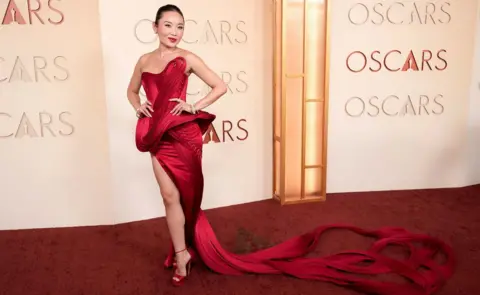
The red carpet also served as a platform for global design and diverse representation. Li Jun Li, from "Sinners," captivated attention in a sleek, swirled creation by Gaurav Gupta, a designer known for sculptural and avant-garde pieces. This choice underscores a globalized fashion perspective, showcasing talent from beyond traditional European fashion capitals. Amy Madigan, nominated for Best Supporting Actress for "Weapons" four decades after her last Oscar nod, embodied a return to prominence, her presence a nod to enduring talent and career longevity. Odessa A’zion, from "Marty Supreme," opted for an embellished black gown, a timeless yet impactful choice.
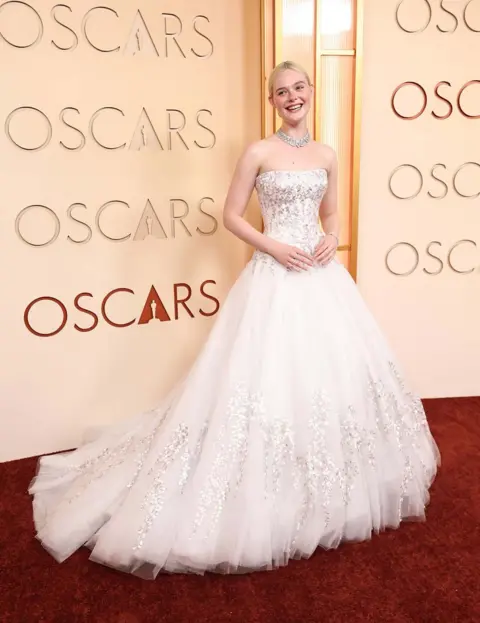
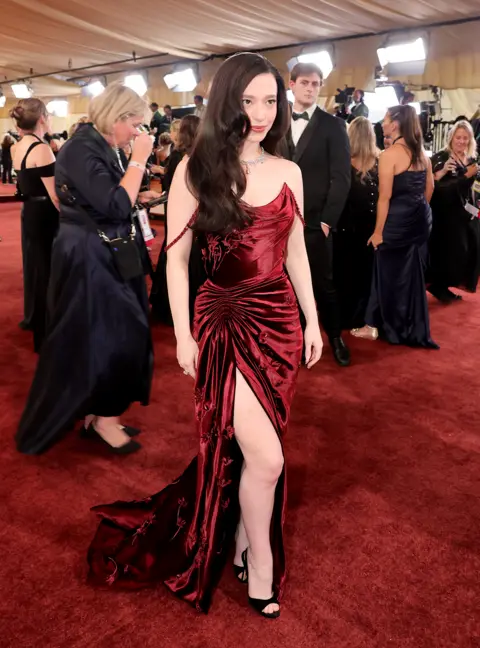
The international flavor continued with Norwegian actresses Inga Ibsdotter Lilleaas and Elle Fanning, both nominated for the emotive family drama "Sentimental Value." Lilleaas’s appearance was part of a quartet of recognized talents from the film, while Fanning chose a white princess gown by Givenchy, exuding youthful elegance and classic Hollywood charm. Last year’s Best Actress winner, Mikey Madison, demonstrated a keen understanding of thematic dressing, her velvet gown seemingly matching the iconic red carpet itself, creating a striking visual continuity.
The musical dimension of the ceremony was also celebrated on the red carpet. The artists behind the "KPop Demon Hunters" music — Rei Ami, Ejae, and Audrey Nuna — arrived in anticipation of performing their hit "Golden." Their collective presence brought a contemporary musical flair to the cinematic event, showcasing the expanding cultural reach of the Academy Awards. Misty Copeland, the renowned ballet star, appeared in a playful monochrome outfit featuring a tutu, signaling her upcoming performance during the ceremony’s tribute to a nominated song from "Sinners." Her unique attire blurred the lines between high fashion and performance art, offering a preview of her artistic contribution.
Presenters and esteemed guests also left indelible fashion marks. Former Oscar winner Nicole Kidman exuded timeless sophistication in a Chanel gown, her role as a presenter reinforcing her enduring status in Hollywood. Australian actor Jacob Elordi, nominated for Best Supporting Actor in "Frankenstein," contributed to the menswear discourse. Kieran Culkin, a "Succession" star and a recent awards season darling, returned as a category presenter, his refined style reflecting his established success. Regina Hall, from "One Battle After Another," chose a striking black and gold gown, while Gwyneth Paltrow, an actress from "Marty Supreme," presented a category in a white gown with a modern side-cut, embodying her characteristic blend of elegance and subtle edge.
Emerging and established personalities from diverse fields further enriched the red carpet. F1 star Damson Idris showcased a distinctive ink blue overcoat with furry lapels and a jeweled brooch, merging high-fashion sensibilities with a masculine edge. Anne Hathaway, anticipating the release of "The Devil Wears Prada 2," wore a flowing strapless floral dress, a nod to her iconic fashion-centric role. Zoe Saldaña, last year’s Best Supporting Actress winner, returned in a lingerie-inspired Saint Laurent by Anthony Vaccarello dress, demonstrating a confident embrace of sensual sophistication. Brazilian actor Wagner Moura, celebrated for "Narcos" and nominated for "The Secret Agent," brought an international dramatic gravitas to the event.
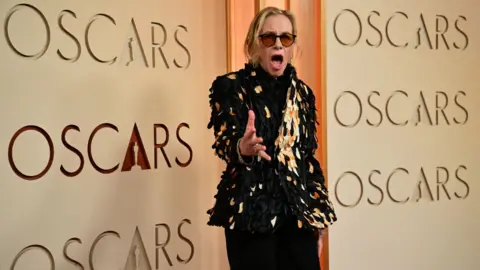
Director Spike Lee, accompanied by his wife Tonya Lewis Lee, once again distinguished himself with a signature ensemble: a purple fedora and matching bow tie, complemented by a unique bag crafted from silver cassettes. His look epitomizes personal branding and artistic rebellion, consistently defying conventional red carpet strictures to make a bold, unforgettable statement. Bella Thorne opted for a daring black ensemble featuring feathered cuffs and a sheer slip, showcasing a more avant-garde and provocative aesthetic.
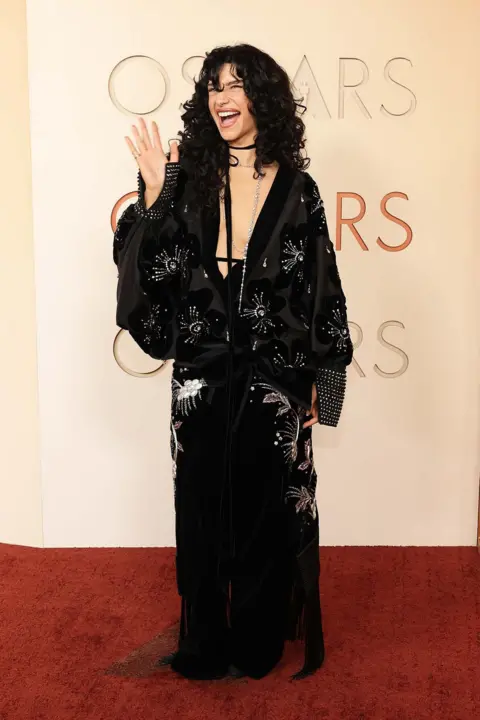
Literary and musical talents also garnered attention. "Hamnet" author Maggie O’Farrell, nominated for co-writing the film’s screenplay, wore a bubblegum pink gown with black lace gloves and a mesh fascinator hat, an eclectic and sophisticated choice that highlighted her creative persona. Songwriter Diane Warren, a perennial nominee hoping for her 17th Oscar win, presented an elegant satin suit topped with a black neck bow, a testament to her enduring style and dedication to her craft.
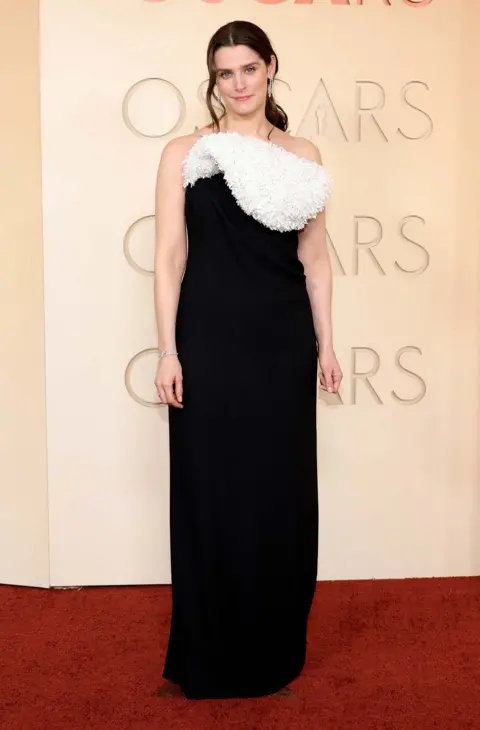
The evolving role of digital media on the red carpet was personified by Amelia Dimoldenberg, who returned as a red carpet reporter and social media ambassador. Her sculptural black Ralph Lauren column gown, paired with Jimmy Choo shoes and Bvlgari jewelry, underscored the increasingly sophisticated and visible role of digital personalities at such high-profile events. Her presence highlights the hybrid nature of modern awards coverage, blending traditional glamour with contemporary digital engagement.
Beyond the headliners, the presence of figures like Kristen Wiig, Melissa McCarthy, and Sigourney Weaver, all known for their distinctive styles and significant contributions to cinema, further underscored the depth of talent gracing the event. Fashion icon Heidi Klum also walked the red carpet, her appearance reinforcing the event’s stature as a major platform for style and celebrity. Hudson Williams, a breakout actor from the viral TV series "Heated Rivalry," although not nominated, commanded attention, reflecting the expanding definition of celebrity and influence in the digital age.
In conclusion, the 98th Academy Awards red carpet transcended a mere parade of gowns and tuxedos. It functioned as a sophisticated arena where fashion articulated narratives of achievement, personal identity, and industry trends. The meticulous curation of each ensemble, the strategic brand partnerships, and the global media attention collectively reinforced the red carpet’s enduring significance as a cultural barometer. As Hollywood continues to evolve, so too does its most prominent sartorial stage, promising an ongoing spectacle of innovation and influence that will continue to shape global fashion and celebrity culture for years to come. The intersection of cinematic artistry and sartorial excellence remains a defining characteristic of this prestigious annual event.




 Ridwan Kamil
 Aura Kasih