Aura Kasih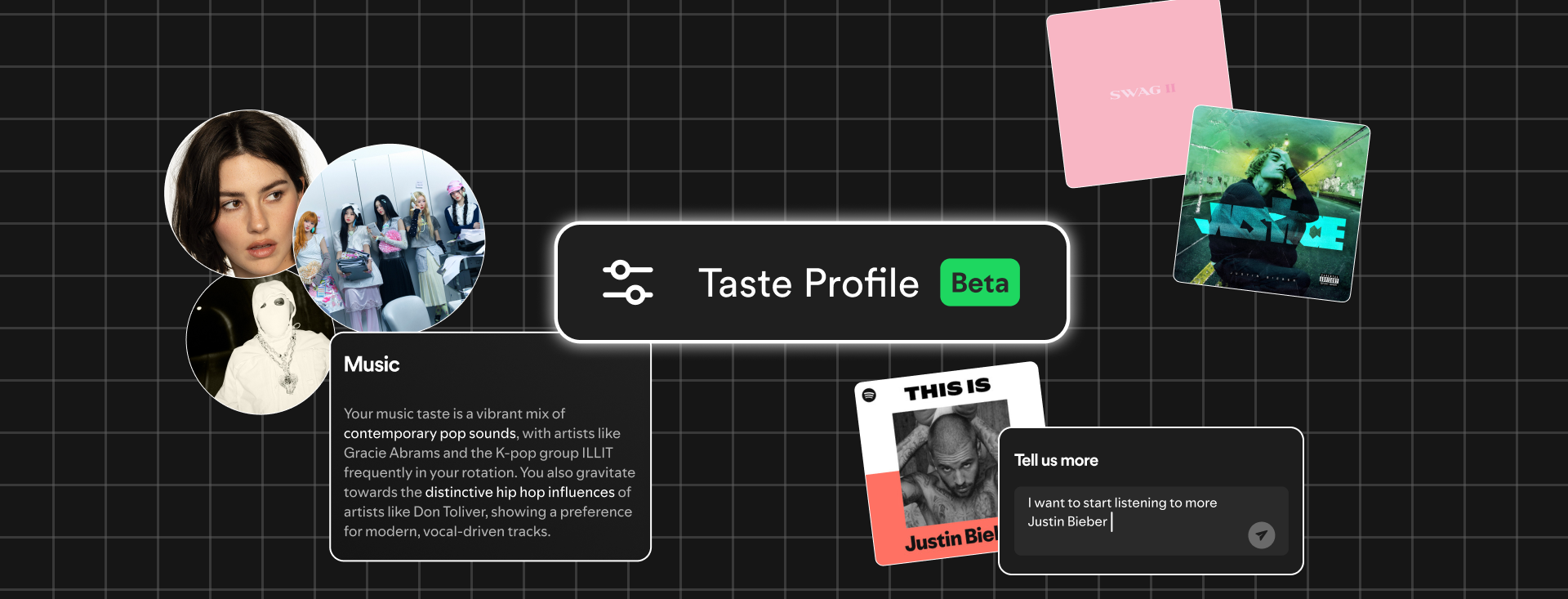
In a significant stride toward democratizing its recommendation engine, Spotify is piloting a groundbreaking feature that empowers premium subscribers to directly influence and refine their personalized content algorithms. This new functionality, currently being rolled out to users in New Zealand, allows individuals to not only view a detailed breakdown of their listening habits but also to actively curate the data that shapes their future music and podcast discovery. This shift marks a pivotal moment, moving beyond passive algorithmic interpretation to a more collaborative and transparent user-driven personalization experience.
For years, streaming services have operated on the premise of sophisticated, often opaque, algorithms that meticulously track user behavior to predict and deliver desired content. Spotify’s proprietary systems, while highly effective, have historically functioned as a "black box," with users having limited insight into the mechanics of their recommendations. The introduction of the Taste Profile beta represents a paradigm shift, offering a window into this inner workings and, crucially, providing the tools for direct user intervention. This initiative addresses a growing user desire for greater agency and transparency in their digital media consumption, aiming to foster a deeper connection between the platform and its audience.
The Taste Profile, as envisioned by Spotify, is more than just a simple list of frequently played artists. It aims to be a comprehensive narrative of a user’s sonic journey, identifying not only dominant genres and artists but also subtler trends and emerging interests. Early demonstrations of the feature reveal its capacity to highlight nuanced shifts in listening patterns, such as a nascent exploration into specific decades or subgenres. For instance, a profile might indicate an increasing inclination towards "90s alternative rock," signaling a departure from established preferences and an openness to new sonic territories. This level of detail allows users to understand the "why" behind certain recommendations, making the personalization process feel more intuitive and less serendipitous.
What elevates this feature beyond mere observation is the "Tell us more" section. This interactive element functions as a direct feedback loop, enabling users to explicitly communicate their evolving preferences. Whether the goal is to amplify a particular genre, such as increasing exposure to hip-hop, or to tailor content for specific life events, like seeking high-energy tracks for marathon training, users can now provide clear, actionable instructions. This direct input mechanism is reminiscent of Spotify’s earlier forays into AI-driven playlist generation, such as its Prompted Playlists, which allowed users to craft bespoke collections through conversational prompts. However, the Taste Profile extends this control to the foundational elements of the recommendation engine itself, offering a more profound level of influence.
The implications of this direct user control are far-reaching. For users, it promises a more satisfying and less frustrating discovery experience. No longer will individuals be subjected to an endless stream of recommendations that miss the mark, requiring tedious manual adjustments or the creation of entirely new playlists to steer the algorithm. Instead, they can proactively shape their sonic landscape, ensuring that the content served to them aligns more closely with their current desires and explorations. This is particularly relevant in an era where music consumption is increasingly diverse, encompassing a vast array of genres, moods, and contexts.

Beyond music, the Taste Profile’s ability to incorporate podcast preferences is a strategic move by Spotify to further integrate its audio offerings. The platform has invested heavily in podcast content and production, and enabling users to fine-tune their podcast recommendations alongside music adds another layer of utility. This holistic approach to audio personalization could solidify Spotify’s position as the go-to platform for all forms of spoken-word and musical content.
Furthermore, the introduction of enhanced filters for the Following Feed represents a complementary effort to improve content organization and accessibility. The ability to filter podcast episodes by unplayed status, in-progress listening, or even by format (e.g., video podcasts) addresses common user pain points related to managing a growing library of subscribed content. These granular controls empower users to efficiently navigate their preferred shows and ensure they don’t miss out on new episodes or content relevant to their current engagement level.
From an industry perspective, Spotify’s move to offer greater transparency and user control over its recommendation algorithms is a bold and potentially disruptive innovation. Many competitors rely on similar, albeit less transparent, algorithmic systems. By opening up this aspect of their platform, Spotify could set a new industry standard for user-centric personalization, forcing other streaming services to re-evaluate their own approaches. This could lead to a more competitive landscape where user empowerment becomes a key differentiator.
The success of this beta test hinges on several factors. Firstly, the user interface for managing the Taste Profile must be intuitive and easy to navigate. If the process of providing feedback is cumbersome or confusing, users may opt out, negating the intended benefits. Secondly, the algorithm’s responsiveness to user input will be critical. Users will expect to see tangible changes in their recommendations shortly after providing feedback. A lag or inconsistent response could lead to user disillusionment. Finally, the scope of customization needs to be carefully balanced. While direct control is valuable, an overly complex system could overwhelm users, while too much restriction could stifle the serendipitous discovery that algorithms are often praised for.
Looking ahead, this feature could pave the way for even more sophisticated personalization tools. Imagine the possibility of users setting temporal parameters for their preferences, such as requesting a "throwback week" or a "focus on emerging artists" period. The integration of AI could also lead to more dynamic and adaptive taste profiles that evolve in real-time based on immediate listening sessions and contextual cues. The potential for gamification, where users can earn badges or rewards for actively curating their profiles, could also be explored to encourage deeper engagement.
The strategic importance of this initiative cannot be overstated. In a crowded streaming market, user loyalty is paramount. By giving users a tangible stake in shaping their own sonic experience, Spotify aims to deepen that loyalty and differentiate itself as a platform that truly understands and adapts to its individual listeners. The move from passive consumption to active curation marks a significant evolution in how we interact with digital media, placing the user at the forefront of their personalized entertainment journey. The early adoption and feedback from the New Zealand market will be crucial in determining the broader rollout and future iterations of this transformative feature, potentially reshaping the future of music and podcast discovery for millions worldwide.




 Lisa Mariana
 Ayu Aulia