Aura Kasih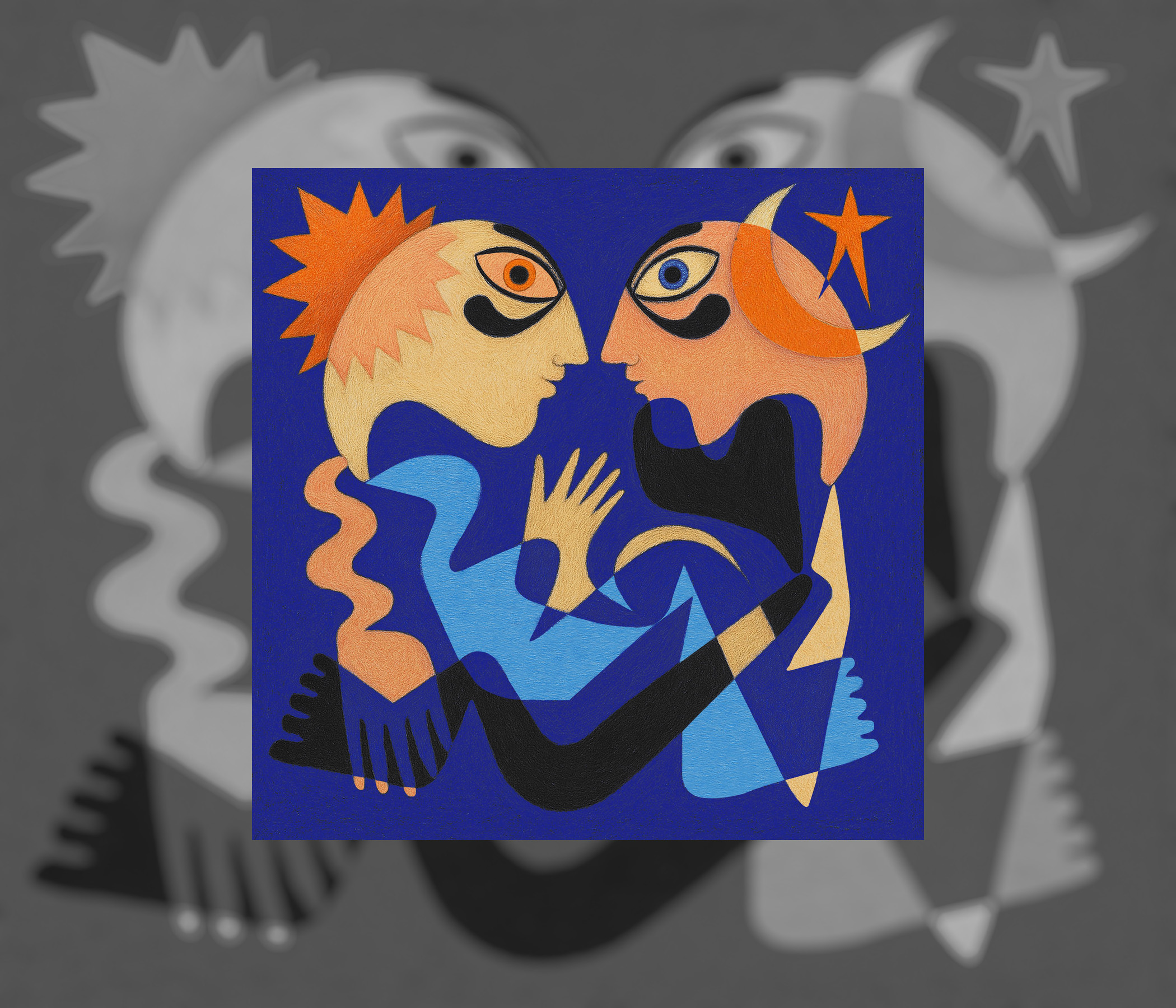
The groundbreaking release Wabi Sabi by the Mexican electronic duo Sotomayor has emerged as a pivotal sonic statement, capturing the zeitgeist of 2026 with its audacious fusion of diverse genres and a palpable sense of unbridled exhilaration. This latest offering from siblings Raul and Paulina Sotomayor, their first since the acclaimed Origenes in 2020, transcends typical genre classifications, presenting a rich and complex audio experience that is as intellectually stimulating as it is viscerally engaging. The album’s title itself, "Wabi Sabi," an aesthetic philosophy that embraces imperfection, impermanence, and incompletion, serves as a fitting metaphor for the music’s inherent beauty, found not in polished perfection but in its raw, untamed energy and the delightful surprises that lie within its intricate soundscapes.
The genesis of Sotomayor’s distinctive approach can be traced to Raul Sotomayor’s evolving artistic philosophy, a journey meticulously documented in previous artistic explorations, including a notable short documentary produced by Ableton. This documentary shed light on Raul’s deliberate departure from conventional notions of musical "properness" and sonic "cleanliness." Instead, his creative impetus now centers on pushing the boundaries of sound manipulation, exploring the expressive potential of distortion and temporal stretching. This shift in perspective is not merely theoretical; it is audibly manifest throughout Wabi Sabi, imbuing each track with a unique character that challenges listeners to redefine their expectations of electronic music. The duo’s willingness to embrace sonic imperfections and experiment with extreme audio processing creates a textured and layered listening experience, one that rewards deep engagement and repeated listening.
The opening track, "Me dejo llevar," immediately signals the album’s radical sonic direction. It commences with a synthesizer arpeggio that has been subjected to extreme time-stretching, a technique that results in a cascade of digital artifacts. This deliberate sonic distortion lends the track a unique, almost gritty texture, a "light crust" that hints at subtle clipping, suggesting a controlled descent into audial chaos. This sonic signature is not an anomaly; it permeates the entire album, creating a consistent, yet diverse, sonic environment. The subsequent track, "Who’s there," further amplifies this sense of edgy exhilaration. Its bristling edges and volatile energy evoke the charged atmosphere of a dance floor poised on the brink of an explosive release, a controlled tension that is a hallmark of Sotomayor’s innovative production.
The album’s rhythmic foundation is built upon a compelling interplay of vintage electronic drum samples, deep, resonant basslines, and the evocative application of reverb-laden noise stabs. These elements, while often teetering on the edge of overwhelming catharsis, consistently simmer into moments of profound musicality. The track "Vida" stands as a prime example of this delicate balance. Here, Paulina Sotomayor’s vocal performance shifts into a sultry register, delivering a performance that is both intimate and commanding. Her vocals glide over a UK garage-inflected beat that gradually evolves into a full-blown Afrohouse club anthem, demonstrating the duo’s masterful control over dynamic shifts and genre metamorphosis within a single composition. This ability to seamlessly transition between distinct musical styles underscores their sophisticated understanding of musical architecture and their commitment to creating a dynamic listening journey.
Wabi Sabi is characterized by its remarkable stylistic agility, ricocheting between a multitude of genres with an infectious abandon that is rarely seen in contemporary music. The album masterfully orchestrates a collision of Afrobeat rhythms, the intricate melodies of cumbia, the pulsating energy of electro-pop, the smooth cadences of R&B, and numerous other influences. This eclectic amalgamation culminates in what is undeniably the most exhilarating and fun-loving album of 2026. What elevates Wabi Sabi beyond mere stylistic pastiche is the duo’s unwavering artistic vision. Despite the unconventional sounds—including the intriguing incorporation of a donkey jaw, as highlighted in previous analyses of Raul’s experimental techniques—and the ambitious stylistic excursions, Sotomayor maintains a cohesive artistic identity that anchors the entire record.
Crucially, the inherent chaos within the music never devolves into an overwhelming cacophony. The listener never experiences a sense of haphazard experimentation, where elements are simply thrown together without purpose. Instead, every sonic choice, every stylistic detour, is a meticulously calculated decision, deliberately crafted to serve the overarching goal of creating an immersive and celebratory party atmosphere. This intentionality is evident in the gentle, meandering guitar lines of "Yo se todo de ti," the classic house sensibilities of "Todo se derrumba," and the vibrant dancehall rhythms of "Prende la palma." Each track, despite its unique sonic fingerprint, feels intrinsically connected and unified by Paulina’s magnetic charisma on the microphone and Raul’s uninhibited curiosity in sonic exploration.
The production techniques employed on Wabi Sabi reflect a profound engagement with the nuances of sound design and signal processing. Raul Sotomayor’s exploration of distortion and time-stretching is not merely about creating abrasive textures; it’s about revealing the inherent sonic qualities of instruments and samples that are often masked by conventional production. The digital artifacts, the subtle clipping, and the aggressive timestretching can be interpreted as a deliberate deconstruction of sonic purity, an embrace of the inherent "noise" and imperfections that contribute to a sound’s character and emotional resonance. This approach aligns with a growing trend in electronic music towards more experimental and textural sound design, moving away from polished, pristine productions towards a more organic and visceral sonic experience.
The lyrical content, delivered by Paulina Sotomayor, complements the adventurous musical arrangements with a blend of sensuality, introspection, and playful energy. Her vocal delivery is a central pillar of the album’s appeal, capable of conveying both vulnerability and commanding presence. In tracks like "Vida," her sultry crooning creates an intimate connection with the listener, drawing them into the emotional core of the song. In other moments, her delivery is more assertive and energetic, perfectly matching the high-octane rhythms and driving beats. This vocal versatility allows Sotomayor to navigate the album’s diverse sonic landscape with remarkable grace and adaptability.
The influence of Latin American musical traditions is palpable throughout Wabi Sabi, yet it is recontextualized through a distinctly modern and experimental lens. The incorporation of cumbia rhythms, for instance, is not a straightforward homage but a reimagining, filtered through electronic processing and fused with other global influences. This approach positions Sotomayor as innovators who are not only drawing from their heritage but actively contributing to its evolution. Their ability to blend traditional sounds with cutting-edge electronic production creates a dialogue between past and future, tradition and innovation, making Wabi Sabi a significant contribution to the global electronic music scene.
Beyond its immediate sonic impact, Wabi Sabi can be analyzed through the lens of its cultural implications. In an era often characterized by hyper-curated online personas and manufactured trends, Sotomayor’s embrace of imperfection and raw energy offers a refreshing counterpoint. The album’s "funnest" quality, as suggested, is not superficial but deeply rooted in an authentic expression of joy and creative freedom. This resonates with a desire for genuine connection and uninhibited self-expression, qualities that are increasingly valued in a complex and often overwhelming world. The album’s success also highlights the growing global appreciation for artists who push creative boundaries and challenge conventional norms.
The album’s structure, while eclectic, exhibits a masterful arc. It begins with an immediate immersion into their distinctive sonic world, builds momentum through a series of genre-bending tracks, and culminates in moments of both intense energy and thoughtful introspection. The sequencing of the songs ensures a dynamic listening experience, preventing any sense of monotony and keeping the listener engaged from start to finish. The final tracks offer a sense of resolution, leaving the listener with a lingering impression of exhilaration and a desire to revisit the sonic journey.
In conclusion, Sotomayor’s Wabi Sabi stands as a monumental achievement in contemporary electronic music. It is a testament to the power of artistic innovation, the beauty of imperfection, and the universal appeal of unadulterated joy. The album’s audacious sonic palette, its genre-defying nature, and its deeply felt emotional resonance have firmly established it as a landmark release, not just for 2026, but as a benchmark for the future of experimental and exhilarating music. Its success underscores the duo’s status as pioneering artists who are not afraid to challenge conventions and create sounds that are both intellectually stimulating and profoundly, undeniably fun. The continued exploration of their discography reveals a consistent dedication to sonic evolution, making Wabi Sabi a significant, yet not surprising, culmination of their artistic journey.




 Lisa Mariana

 Ridwan Kamil