
 Lisa Mariana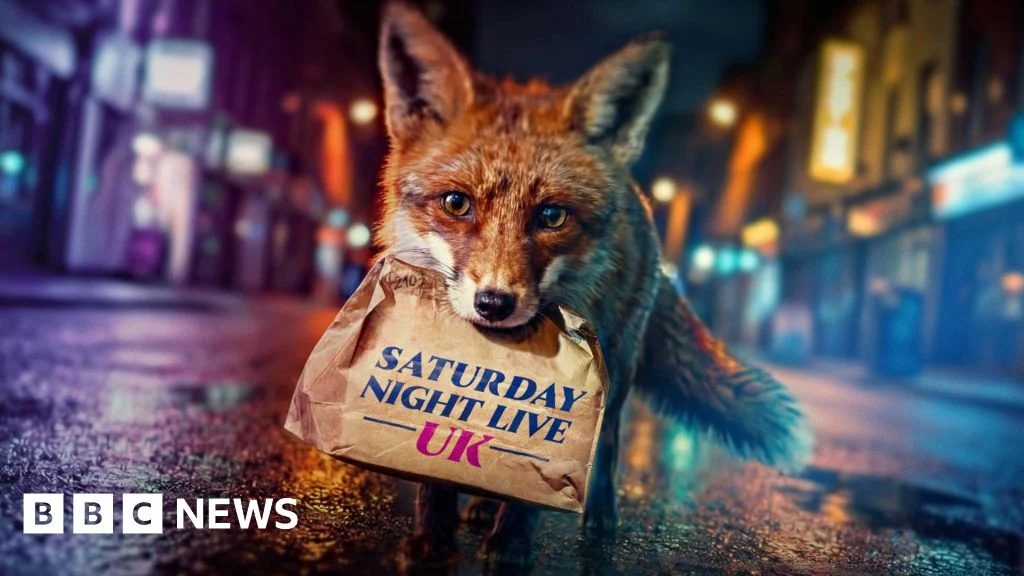
The highly anticipated British adaptation of the iconic American sketch comedy institution, Saturday Night Live, is poised to debut, sparking widespread discussion about its potential to capture the nuanced comedic sensibilities of the United Kingdom while honouring its illustrious five-decade legacy. This venture represents a significant investment and a bold cultural transfer, aiming to replicate a successful formula within a distinct comedic landscape. From the moment one steps into the meticulously prepared London studios, the palpable energy and substantial resources allocated to this production underscore its ambition. Every corridor buzzes with activity, from the sprawling costume and wig departments to the dedicated teams constructing intricate pop-up sets around the central stage, all indicative of a commitment to detail mirroring the original New York production.
The decision to bring Saturday Night Live to a British audience reflects a broader trend in global television, where successful formats are adapted to local markets. However, SNL is not merely a format; it is a cultural institution, renowned for its longevity, its ability to launch comedic careers, and its consistent engagement with contemporary politics and popular culture. The British iteration, launching on Sky, faces the formidable challenge of translating this unique blend of live sketch comedy, celebrity hosting, and musical performances into a context with its own rich comedic traditions and audience expectations. The sheer scale of the undertaking, involving a dedicated ensemble cast, a robust writing team, and extensive technical support, signals a serious attempt to establish a new cornerstone of British entertainment.
The shadow of the original US programme, which has cultivated a devoted following over more than 50 years, looms large. This extensive history imbues the new British cast and creative team with the unenviable task of filling "huge shoes," navigating the high expectations of both long-time SNL aficionados and new viewers. Early reactions to promotional material disseminated online have been varied, underscoring the immediate scrutiny such an adaptation invites. Despite this, those intimately involved in the production convey a measured optimism, advocating for an open-minded approach from the audience. The intent is not to mimic slavishly but to forge a distinct identity.
Annabel Marlow, a member of the inaugural SNL UK cast, articulated this vision, stating that the creative process is driven by what the team inherently finds humorous, rather than a conscious effort to adhere to a predefined "Britishness." She anticipates that local references will naturally emerge, given the team’s shared cultural context. This sentiment is echoed by her co-star, Ayoade Bamgboye, who identifies making sketches feel "distinctly British" as her "North Star" throughout the production process, highlighting a collaborative environment where creative ideas are supported and refined. This internal dynamic suggests a careful balancing act between universal comedic appeal and specific cultural resonance.
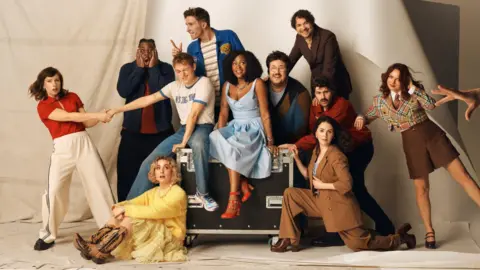
The ensemble cast represents a cross-section of emerging and established talent within the British comedy scene. Annabel Marlow, at 24, brings a background in musical comedy, notably from "Six The Musical," while Ayoade Bamgboye, 31, is a decorated stand-up comedian, having secured the Best Newcomer award at the 2025 Edinburgh Comedy Awards. They are joined by a diverse group including Hammed Animashaun, Larry Dean, Celeste Dring, George Fouracres, Ania Magliano, Al Nash, Jack Shep, Emma Sidi, and Paddy Young. This varied experience, spanning stand-up, improv, and theatrical performance, is crucial for the dynamic and often improvisational nature of live sketch comedy. The writing team further solidifies the show’s comedic credentials, featuring seasoned professionals such as Charlie Skelton from "8 Out of 10 Cats," Al Roberts, known for "Stath Lets Flats," and Bella Hull of "Have I Got News For You." Their collective experience in crafting sharp, topical, and often irreverent humour is vital for producing the high volume of content required for a weekly live show.
A critical component of this transatlantic transfer involved direct consultation with the progenitor of the franchise. Before rehearsals commenced, the entire British team travelled to the United States to meet Lorne Michaels, the venerable creator and executive producer of the original SNL, who is also serving as an overseer for the UK version. This interaction facilitated an invaluable exchange of knowledge, with Michaels reportedly sharing the fundamental "blueprint and foundation" that has underpinned the US show’s enduring success. This direct transfer of institutional wisdom is paramount, providing the UK team with a proven framework while still allowing for localized creative interpretation. The emphasis on transparency and shared best practices indicates a strategic approach to ensuring the UK version benefits from decades of accumulated experience, rather than starting from scratch.
The success of the US SNL is multifaceted, drawing on its status as a heritage brand to attract A-list celebrities as hosts and musical guests. These individuals often participate due to a genuine admiration for the show’s legacy or a recognition of its cultural significance. The UK adaptation faces the challenge of cultivating similar magnetic appeal. However, the initial lineup of hosts suggests a strong start: comedian and former SNL host Tina Fey, along with acclaimed actors Jamie Dornan and Riz Ahmed, are set to anchor the first episodes. Fey’s involvement, in particular, carries significant weight, offering not only star power but also invaluable mentorship, as she has reportedly dedicated considerable time to working with the cast, including participating in sketch readings. This direct engagement from an SNL alumna provides both practical guidance and a symbolic link to the show’s origins.
Structurally, SNL UK will adhere closely to its American counterpart. Each episode will feature two musical performances from a guest artist – with indie rock band Wet Leg slated for the inaugural show – alongside two pre-recorded sketches and four live comedic segments. This established format balances the spontaneity of live performance with the polish of pre-produced content, a critical element in maintaining production quality and variety. The decision to maintain this structure underscores the belief that the core mechanics of SNL are universally effective.
One of the more unexpected dimensions of SNL’s continued relevance in the US is its profound success among younger demographics, largely driven by its robust presence on social media platforms. Clips from the US show routinely garner hundreds of millions of views across TikTok, X (formerly Twitter), and YouTube, cementing its status as a multi-platform phenomenon. While several members of the SNL UK cast have cultivated significant online profiles, the production team explicitly states that sketches will not be designed primarily for viral potential. Bamgboye emphasizes that "it’s funny first," a sentiment echoed by Marlow, who asserts that the primary objective is to generate laughter, with viral clips being a welcome, but secondary, outcome. This commitment to comedic integrity over algorithmic optimization suggests a focus on substance, aiming for genuine humour that transcends fleeting trends.
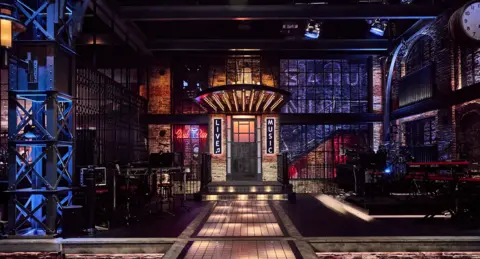
The eight-part series will broadcast live on Saturday nights to a studio audience, exclusively on Sky. A dress rehearsal precedes the live broadcast, serving as a crucial proving ground for material, with the understanding that not all rehearsed segments will make it to air – a direct emulation of the US show’s iterative process. A distinctive element of the production is the use of cue cards, a departure from the more common teleprompter system prevalent in British television. This choice facilitates rapid, last-minute script changes, essential for a live show that often reacts to unfolding events. The expertise for this system was imported directly from the US, with Wally Feresten, a veteran of over 30 years with SNL, training the UK team in its implementation and the nuances of reading them during performance. Even the set design meticulously blends the iconic New York aesthetic with subtle London elements, visually reinforcing the show’s dual heritage.
The inherent unpredictability of live television means that errors are inevitable. However, Annabel Marlow expresses a lack of apprehension, viewing such moments as opportunities for genuine connection with the audience. She suggests that minor missteps can either pass unnoticed or, if perceived, humanize the performers, fostering a sense of shared experience. This philosophical approach to live performance is vital for maintaining composure and embracing the inherent charm of unscripted moments. Lorne Michaels himself imparted crucial advice to the cast regarding the transient nature of live television and the importance of resilience. He reportedly counselled them to "shake it off – good or bad you’re going to do another show," and, significantly, to "absolutely not engage with the discourse," advocating for a focus on the creative process over external criticism. This counsel underscores the high-pressure environment and the need for a singular focus on the work.
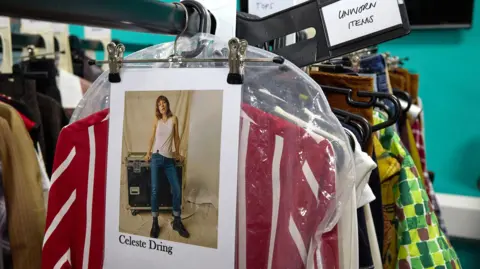
The launch of Saturday Night Live UK represents a high-stakes cultural experiment. It seeks to transpose a deeply ingrained American comedic tradition onto British soil, requiring a delicate balance between fidelity to the original format and the cultivation of a distinct, locally resonant identity. The substantial investment, the seasoned talent, and the direct guidance from the US creative team all point to a serious endeavour. Its ultimate success will depend on its ability to forge a connection with British audiences, to consistently deliver fresh and relevant humour, and to establish its own enduring legacy within the vibrant landscape of UK comedy. The journey ahead is fraught with challenges, but the ambition is undeniable, potentially ushering in a new era for live sketch comedy in Britain.

 Aura Kasih
 Ridwan Kamil

 Ayu Aulia