Aura Kasih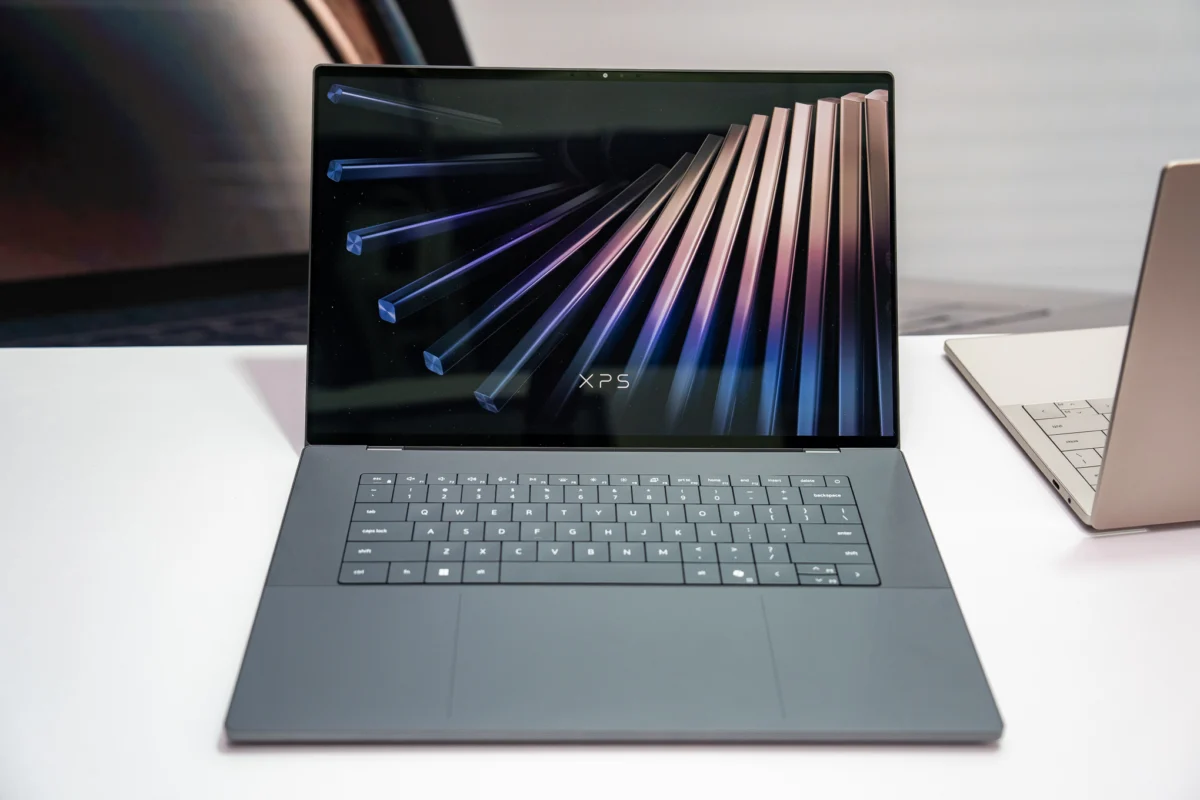
A groundbreaking convergence of Intel’s latest processor architecture, LG Display’s innovative screen technology, and Dell’s refined laptop design is poised to redefine the benchmarks for portable computing longevity, potentially eclipsing the battery performance of established leaders like Apple and Qualcomm. Initial benchmarks suggest a future where all-day power is not merely a goal but a baseline expectation, transforming the user experience for mobile professionals and consumers alike.
The advent of ultra-low power consumption in laptops has long been a Holy Grail for hardware manufacturers. While advancements in processor efficiency have steadily increased battery life over the years, the display subsystem has often remained a significant energy drain, particularly with high-resolution and high-refresh-rate panels. However, recent developments, highlighted by tests of Dell’s latest XPS 16 model, showcase a paradigm shift. This particular configuration, featuring Intel’s upcoming "Panther Lake" processor and an LG Display panel capable of dynamically adjusting its refresh rate from a mere 1Hz up to 120Hz, has demonstrated astonishing endurance. In rigorous testing, this combination achieved nearly 27 hours of continuous Wi-Fi web browsing on a relatively modest 70 watt-hour battery. This figure is not only a remarkable leap forward but also surpasses the battery performance previously recorded by independent reviewers for a vast majority of laptops, including many premium models from top-tier manufacturers.
This dramatic improvement in efficiency is primarily attributable to the sophisticated interplay between the new Intel processor and the advanced LG Display panel. The "Panther Lake" architecture, details of which are still emerging, appears to be optimized for extreme power savings during periods of low demand. When the system is idle or performing tasks that do not require rapid screen updates, the processor can significantly reduce its power draw. Simultaneously, the LG Display’s "Oxide 1Hz" technology allows the screen’s refresh rate to drop to as low as 1Hz. This means the pixels only need to update once per second when static content is being displayed, a stark contrast to the constant 60Hz or higher refresh rates typical of most modern displays. The cumulative effect of these two technologies working in concert is a drastic reduction in overall power consumption, translating directly into extended battery life.
To put these findings into perspective, consider the competitive landscape. For years, Apple’s MacBook Pro line has been lauded for its exceptional battery performance, largely due to Apple’s tightly integrated hardware and software ecosystem, combined with efficient ARM-based silicon. Similarly, laptops utilizing Qualcomm’s Snapdragon processors have also shown promise in power efficiency, especially in always-connected devices. Yet, the reported figures for this new Intel and LG Display combination suggest it may be setting a new standard. The nearly 27-hour web browsing test duration exceeds the typical battery life achieved by many recent MacBook models under similar testing conditions. Furthermore, it significantly outpaces laptops that have historically relied on larger battery capacities or less demanding display technologies to achieve extended runtimes.
The significance of this development extends beyond mere benchmark numbers. For the end-user, it signifies a potential liberation from the constant anxiety of finding a power outlet. Professionals who travel frequently, students attending long lectures, or anyone who relies on their laptop away from a power source could see their productivity and flexibility dramatically enhanced. The ability to work for an entire day, or even longer, without needing to recharge could fundamentally alter workflows and reduce reliance on portable power banks. This could also pave the way for thinner and lighter laptop designs, as manufacturers might be able to use smaller batteries while still meeting or exceeding current battery life expectations.
It is crucial to acknowledge that the tested configuration of the Dell XPS 16 may represent an optimal scenario for battery life. The report indicates that achieving this level of endurance required opting for a lower-resolution, non-OLED display with a standard 1920 x 1200 resolution and no touchscreen. While this might be a compromise for some users who prioritize the absolute best visual fidelity, it underscores the direct impact of display technology on power consumption. OLED panels, while offering superior contrast and vibrant colors, are historically more power-hungry than traditional LCDs, especially at higher brightness levels. Similarly, higher resolutions and touch capabilities inherently demand more processing power and energy.

The broader implications of this technological advancement are substantial. LG Display’s announcement of mass production for its "Oxide 1Hz" laptop LCD panel, coupled with plans for an OLED variant in 2027, suggests a strategic industry-wide push towards dynamic refresh rate technology. This is not an isolated effort; Intel has also been actively collaborating with other display manufacturers, such as BOE, to develop similar 1Hz refresh rate capabilities. This indicates a concerted effort across the supply chain to prioritize power efficiency in laptop displays.
The concept of adaptive refresh rates is not entirely new to consumer electronics. For years, smartwatches and smartphones have employed similar technologies to conserve battery life. The Apple Watch Series 5, introduced in 2019, featured a display that could dynamically adjust its refresh rate to extend battery life. More recent flagship smartphones from manufacturers like Samsung and OnePlus have incorporated LTPO (Low-Temperature Polycrystalline Oxide) display technology, enabling refresh rates that can drop as low as 1Hz for static content. Apple further integrated its ProMotion technology, offering adaptive refresh rates up to 120Hz, into its Pro iPhones starting in 2022. The successful implementation and widespread adoption of these technologies in smaller form factors have undoubtedly paved the way for their more ambitious application in laptops.
The success of this integrated approach highlights the importance of co-development and optimization between key hardware components. Intel’s advancements in processor architecture, designed to intelligently manage power across various operating states, are critical. When paired with a display that can drastically reduce its own power demands, the synergistic effect is amplified. LG Display’s commitment to pushing the boundaries of panel technology, particularly in achieving such low refresh rates without compromising image quality significantly for static content, is equally vital.
Looking ahead, the widespread adoption of this technology across various laptop manufacturers is highly anticipated. As LG Display scales up production and Intel continues to refine its power-efficient processor lines, we can expect to see a new generation of laptops that offer a compelling balance of performance and battery endurance. This could potentially disrupt the market, forcing competitors to accelerate their own research and development in display and processor efficiency. The premium laptop segment, often characterized by a trade-off between cutting-edge features and battery life, may soon see these two aspects converge more seamlessly.
However, the ultimate success of this technology will depend on several factors. Firstly, the real-world performance in diverse usage scenarios needs to be consistently validated. While web browsing is a good indicator, demanding tasks such as video editing, gaming, or running complex simulations will still place significant strain on battery life. Secondly, the cost implications of these advanced display panels need to be considered. For this technology to become truly mainstream, it must be integrated into a wider range of devices at competitive price points. Finally, the user experience must remain paramount. While lower resolutions and the absence of OLED may be acceptable for some, manufacturers will need to find ways to offer these power-saving benefits without unduly compromising the visual appeal and feature set that consumers expect from premium laptops.
In conclusion, the reported battery life achievements of the Dell XPS 16, powered by Intel’s "Panther Lake" and an LG Display with dynamic refresh rate capabilities, represent a significant milestone in portable computing. This development signals a potential shift in the industry’s approach to battery life, moving beyond incremental improvements to a more fundamental re-evaluation of power consumption across key hardware components. As this technology matures and becomes more broadly accessible, it promises to empower users with unprecedented freedom and flexibility, ushering in an era where extended battery life is no longer a luxury but a standard expectation.


 Lisa Mariana